Disinvestment has emerged as an important strategy for strengthening India's economy, improving government finances and encouraging private-sector participation. Through the sale of government-owned shares in Public Sector Enterprises (PSEs), the government aims to unlock public-sector value, improve operational efficiency and create new investment opportunities. During FY 2025–26, India's disinvestment receipts reached approximately ₹16,885.56 crore, compared with ₹10,163.02 crore in FY 2024–25, representing an impressive 66.15% year-on-year increase. The third quarter also witnessed significant developments through Offer for Sale (OFS) transactions involving Mazagon Dock Shipbuilders, Bank of Maharashtra and Indian Overseas Bank, which mobilized approximately ₹7,717.02 crore cumulatively up to December 31, 2025. Disinvestment can contribute to economic development by encouraging private investment, improving corporate governance, supporting technological advancement and creating opportunities for infrastructure and manufacturing expansion. In this evolving business environment, BONC Network plays a role in strengthening B2B connections by helping businesses explore opportunities with manufacturers, suppliers and potential business partners. Through business networking and sourcing opportunities, BONC Network supports companies looking to expand their operations, discover new product categories and build stronger commercial relationships. Such connections can complement India's broader industrial growth and private-sector development. However, disinvestment also faces challenges such as market volatility, employment concerns, asset valuation risks and delays in strategic transactions. Looking ahead, India's strategy is expected to focus on strategic privatization, better asset utilization and stronger private-sector participation. The Union Budget 2026–27 estimates miscellaneous capital receipts at ₹80,000 crore. Overall, disinvestment is more than a revenue-generation exercise; it can strengthen public finances, attract investment, improve productivity and create new opportunities for businesses, supporting India's long-term economic growth.
Disinvestment in India – Q3 FY 2025–26: Driving Economic Growth and Business Opportunities
Market StudyBy Ankit Udaypuriya · 30 Oct 2026
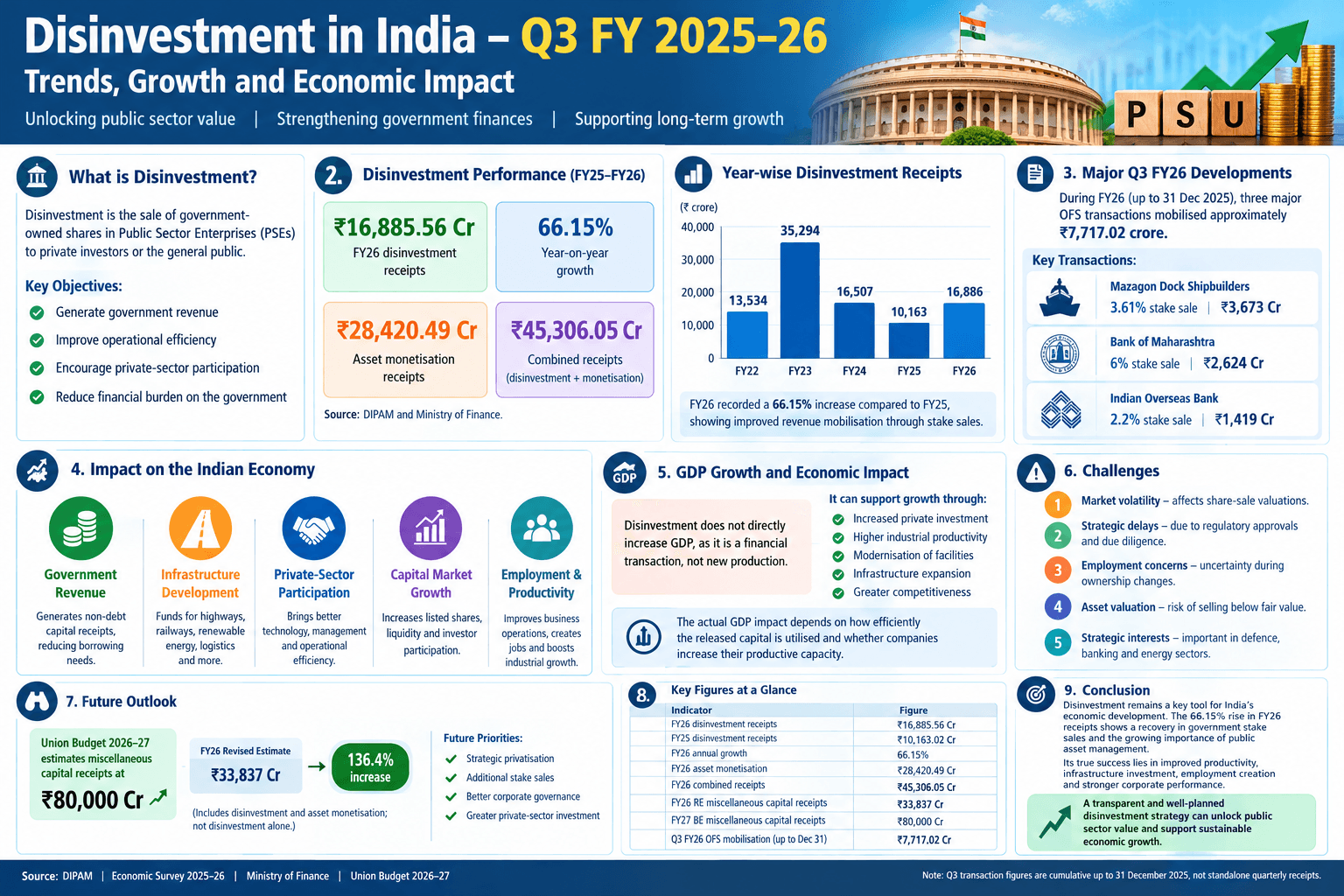
#DisinvestmentInIndia#IndiaEconomy#Q3FY2026#EconomicGrowth#GovernmentDisinvestment#PublicSectorEnterprises#PSU#IndianEconomy#InvestmentOpportunities#AssetMonetisation#PrivateSectorGrowth#BusinessDevelopment#ManufacturingIndia#B2BNetworking#IndianManufacturers#BusinessNetworking#BONCNetwork#MakeInIndia#IndustrialGrowth#EconomicDevelopment
Comments
No comments yet
Be the first to share your thoughts.
More Articles
View all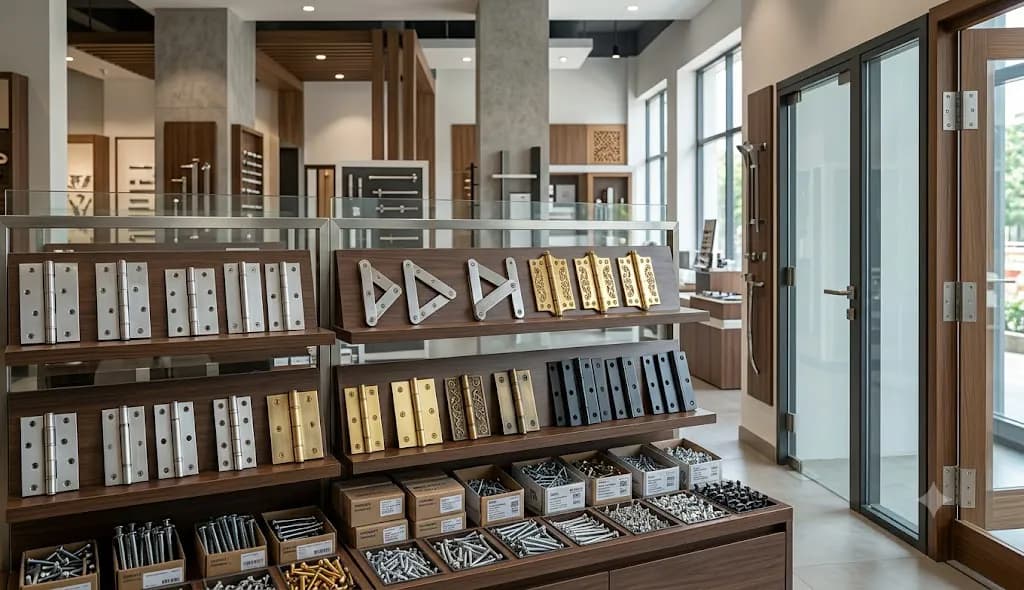
Market Study
Best Door Hinges, Window Hinges, Stainless Steel, Brass & Mild Steel Hardware Fittings Supplier in India | INDIAN HARDWARE
The strength of any door, window, cabinet, or industrial fixture often depends on a component that many people overlook—hardware fittings. From ensuring smooth movement to providing long-term durability, hinges and hardware accessories play a crucial role in residential, commercial, and industrial construction projects. For builders, contractors, architects, furniture manufacturers, and hardware dealers seeking dependable solutions, INDIAN HARDWARE has emerged as a reliable supplier of door hinges, window hinges, stainless steel hardware fittings, brass fittings, and mild steel hardware products designed to meet modern construction and manufacturing requirements. Why Hardware Fittings Matter More Than Ever Every building is made up of thousands of components, but hardware fittings are among the few that are used daily. Whether opening a residential main door, operating a commercial office partition, or securing industrial equipment, quality hardware directly impacts functionality, safety, and user experience. Poor-quality fittings can lead to: Frequent maintenance issues Misaligned doors and windows Reduced security Rust and corrosion problems Increased replacement costs This is why construction professionals increasingly prioritize durable, precision-engineered hardware solutions that offer long service life and reliable performance. INDIAN HARDWARE: Delivering Dependable Hardware Solutions INDIAN HARDWARE serves customers with a comprehensive range of metal hardware fittings manufactured and supplied to meet varying industry demands. The company focuses on delivering products that combine durability, functionality, and value, making them suitable for multiple applications, including: Residential construction projects Commercial buildings Institutional infrastructure Furniture manufacturing Interior design installations Industrial facilities Renovation and maintenance projects By maintaining quality standards and product consistency, INDIAN HARDWARE helps customers source hardware solutions that perform efficiently under everyday usage conditions. Product Range Designed for Diverse Applications Door Hinges for Smooth and Secure Operation Doors are among the most frequently used elements of any property. Their performance largely depends on the strength and quality of the hinges installed. INDIAN HARDWARE supplies door hinges designed to offer: Smooth door movement Enhanced load-bearing capacity Long operational life Resistance to wear and tear Reliable alignment and support These hinges are suitable for residential doors, office doors, commercial entrances, wooden doors, and specialized applications where durability is essential. Window Hinges Built for Everyday Reliability Windows require fittings that can withstand repeated opening and closing while maintaining stability. The window hinges supplied by INDIAN HARDWARE are designed to support: Proper window alignment Consistent operation Structural stability Long-term functionality Reduced maintenance requirements Whether used in homes, offices, educational institutions, or industrial facilities, quality window hinges contribute significantly to user convenience and building performance. Stainless Steel Hardware Fittings Stainless steel remains one of the most preferred materials in the hardware industry due to its strength, appearance, and corrosion resistance. INDIAN HARDWARE offers stainless steel hardware fittings suitable for applications requiring: Rust resistance Durability in humid environments Modern aesthetics Low maintenance Long service life These fittings are widely used in residential interiors, commercial spaces, hospitality projects, and industrial environments. Brass Hardware Fittings Brass fittings continue to be valued for their elegant appearance and reliable performance. The brass hardware range offered by INDIAN HARDWARE is suitable for customers looking for: Attractive finishes Corrosion resistance Durability Decorative appeal Long-term reliability Brass fittings are commonly used in premium residential projects, furniture manufacturing, decorative installations, and architectural applications. Mild Steel Hardware Solutions For projects that require strength and affordability, mild steel hardware fittings remain a practical choice. INDIAN HARDWARE supplies mild steel products that deliver: Structural strength Versatile applications Cost-effectiveness Reliable performance Adaptability for various installations These fittings are commonly used across industrial, commercial, and construction sectors where durability and value are equally important. How Customers Benefit from Choosing Quality Hardware Selecting premium hardware fittings is not merely a purchasing decision—it is a long-term investment. Reduced Maintenance Costs Durable hinges and fittings require fewer repairs and replacements, helping property owners save money over time. Better User Experience Smooth operation enhances convenience for occupants and improves overall satisfaction. Improved Structural Integrity Strong hardware supports doors, windows, and fixtures more effectively, contributing to building safety and stability. Enhanced Appearance Well-designed hardware complements architectural and interior design aesthetics. Long-Term Performance Quality materials such as stainless steel, brass, and mild steel help ensure dependable performance under varying environmental conditions. Supporting Construction and Manufacturing Industries Modern infrastructure projects demand products that meet both performance expectations and project timelines. INDIAN HARDWARE supports various industries by providing hardware solutions suitable for: Builders and developers Hardware retailers Contractors Fabricators Interior designers Furniture manufacturers Architects and consultants Its diverse product portfolio enables customers to source multiple hardware requirements from a single supplier, improving procurement efficiency and project coordination. Meeting Evolving Market Expectations The hardware industry continues to evolve as customers seek stronger, longer-lasting, and aesthetically appealing products. Current market trends indicate growing demand for: Corrosion-resistant fittings Precision-engineered hinges Premium finishing options Durable construction hardware Low-maintenance metal fittings By focusing on product quality and practical functionality, INDIAN HARDWARE remains aligned with these changing market needs and customer expectations. Expanding Digital Visibility Through BONC Network As businesses increasingly leverage digital platforms to connect with buyers, suppliers, and industry professionals, online visibility has become an important part of business growth. INDIAN HARDWARE has listed its products and business on BONC Network , enabling interested customers and businesses to discover its hardware solutions more efficiently. Such platforms help create stronger connections between manufacturers, suppliers, dealers, and end users across various industries. Choosing the Right Hardware Partner When selecting a hardware supplier, customers often evaluate several factors: Product quality Material reliability Range of available products Consistency of supply Industry experience Customer support INDIAN HARDWARE continues to focus on these important aspects, helping customers source dependable hardware fittings that contribute to successful project outcomes. Conclusion From durable door hinges and reliable window hinges to stainless steel, brass, and mild steel hardware fittings, INDIAN HARDWARE offers solutions designed to support the needs of modern construction, manufacturing, and interior projects. With a commitment to quality, functionality, and customer satisfaction, the company serves a wide range of industries seeking dependable hardware products that deliver long-term value. Its presence on BONC Network further enhances accessibility for customers looking to explore professional hardware solutions and connect with established suppliers in the market. For projects where performance, durability, and reliability matter, quality hardware fittings from INDIAN HARDWARE provide the foundation for lasting results.
#IndianHardware#DoorHinges#WindowHinges
Market Study
Premium Wash Basins, Sanitaryware & Bathroom Fittings for Residential and Commercial Projects | M/S SUPREME MARKETING
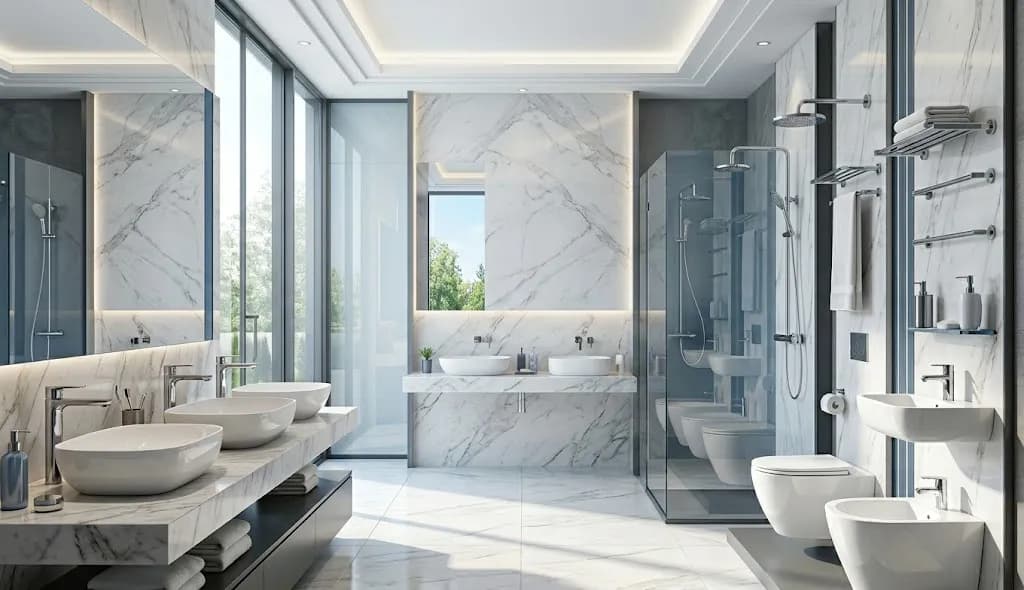
A well-designed bathroom is no longer just a functional space. It has become an essential part of residential homes, commercial establishments, hotels, offices, hospitals, and retail projects. From elegant wash basins to durable sanitaryware and premium bathroom fittings, every element contributes to comfort, hygiene, and aesthetics. When architects, builders, contractors, and homeowners look for reliable bathroom solution providers, quality products and consistent service become the top priorities. M/S SUPREME MARKETING has established itself as a dependable supplier of wash basins, sanitaryware, bathroom fittings, and accessories, catering to a wide range of residential and commercial projects. The Growing Demand for Quality Bathroom Products Modern construction trends emphasize functionality, water efficiency, durability, and visual appeal. Whether it is a luxury villa, apartment complex, shopping center, hotel, or corporate office, bathrooms are expected to combine performance with style. This demand has increased the need for suppliers who can provide comprehensive product ranges under one roof. M/S SUPREME MARKETING addresses these requirements by offering carefully selected sanitaryware and bathroom solutions that meet contemporary design and quality standards. What Customers Expect Today Today's buyers look for: Elegant and modern designs Long-lasting durability Easy maintenance and cleaning Water-efficient fittings Reliable product performance Cost-effective solutions Availability of multiple design options Meeting these expectations requires a strong product portfolio and industry expertise, both of which are key strengths of M/S SUPREME MARKETING. A Wide Range of Bathroom Solutions One of the major advantages of working with M/S SUPREME MARKETING is access to a comprehensive selection of bathroom products suitable for various applications. Premium Wash Basins Wash basins play a central role in bathroom design. Available in various styles, shapes, and sizes, they contribute to both functionality and visual appeal. The company supplies wash basins that complement different interior themes, including: Contemporary bathrooms Luxury residences Commercial washrooms Hospitality projects Institutional buildings These products are designed to offer durability while enhancing the overall aesthetics of the space. Sanitaryware for Residential and Commercial Applications High-quality sanitaryware is essential for maintaining hygiene and ensuring long-term performance. M/S SUPREME MARKETING offers sanitaryware solutions suitable for: Homes and apartments Hotels and resorts Educational institutions Healthcare facilities Corporate offices Retail establishments The focus remains on providing products that combine practical functionality with modern design preferences. Bathroom Fittings That Deliver Performance Bathroom fittings are among the most frequently used components in any property. Reliability, smooth operation, and resistance to wear are critical factors. The company's range includes fittings designed to provide: Efficient water flow Long service life Attractive finishes Corrosion resistance User-friendly operation These features help customers achieve both convenience and durability. Essential Bathroom Accessories The finishing touches often make the biggest difference. Bathroom accessories enhance organization, convenience, and visual consistency. Available accessories help create complete bathroom environments that are both practical and aesthetically pleasing. Supporting Diverse Project Requirements Every project comes with unique specifications. A residential renovation has different requirements compared to a commercial complex or hospitality project. M/S SUPREME MARKETING works with various customer segments, including: Homeowners Homeowners seek products that balance beauty, comfort, and value. The company helps customers select suitable bathroom products that align with their design preferences and budgets. Builders and Developers Large-scale residential and commercial developments require dependable supply chains and consistent product quality. By offering a broad product range, M/S SUPREME MARKETING supports project timelines and construction goals. Architects and Interior Designers Design professionals often require products that align with specific themes and project concepts. The availability of diverse designs and finishes allows greater creative flexibility. Commercial Establishments Offices, malls, restaurants, hotels, and institutions need durable bathroom solutions capable of handling heavy daily usage. The company's offerings are selected to meet these demanding environments. Why Product Quality Matters Choosing inferior sanitaryware or fittings may result in frequent repairs, maintenance costs, and customer dissatisfaction. Quality bathroom products provide several long-term benefits: Better Durability Strong materials and superior manufacturing standards help products withstand daily wear and tear. Improved Hygiene Modern sanitaryware designs support easier cleaning and maintenance, contributing to healthier environments. Enhanced Aesthetic Appeal Well-designed bathroom products improve the overall appearance and value of residential and commercial properties. Cost Savings Over Time Durable products reduce replacement frequency and maintenance expenses, delivering greater long-term value. Adapting to Modern Bathroom Trends Bathroom design trends continue to evolve. Customers increasingly prefer solutions that combine elegance with practicality. Some popular trends influencing product selection include: Minimalist bathroom designs Space-saving fixtures Contemporary basin styles Water-efficient fittings Easy-to-clean surfaces Premium finish accessories M/S SUPREME MARKETING keeps pace with these evolving preferences by offering products that align with current market demands. Digital Visibility Through BONC Network Businesses today benefit from stronger online visibility and easier customer access. To enhance its digital presence, M/S SUPREME MARKETING has listed its products and business on BONC Network, enabling potential customers to discover its offerings more efficiently. This presence helps buyers, contractors, and project decision-makers explore available solutions and connect with the company when sourcing bathroom products for upcoming projects. Delivering Value Beyond Products Successful bathroom projects depend not only on product quality but also on supplier reliability. Customers often look for businesses that understand project requirements and provide practical recommendations. M/S SUPREME MARKETING focuses on helping customers identify suitable wash basins, sanitaryware, bathroom fittings, and accessories based on application needs, project scale, and design objectives. The company's commitment to quality products and customer satisfaction contributes to its growing reputation among residential and commercial buyers. Building Better Bathrooms for Every Project Whether designing a new home, upgrading a commercial facility, or managing a large-scale construction project, selecting the right bathroom products is a crucial decision. Quality wash basins, sanitaryware, fittings, and accessories can significantly enhance functionality, hygiene, and visual appeal. With a comprehensive product portfolio and a customer-centric approach, M/S SUPREME MARKETING continues to support modern construction and renovation projects with dependable bathroom solutions. Its growing visibility through platforms such as BONC Network further enables customers to discover and access quality products that contribute to successful project outcomes. For those seeking reliable bathroom solutions that combine durability, style, and performance, M/S SUPREME MARKETING remains a valuable partner for residential and commercial requirements alike.
#WashBasin#Sanitaryware#BathroomFittings
Case Study
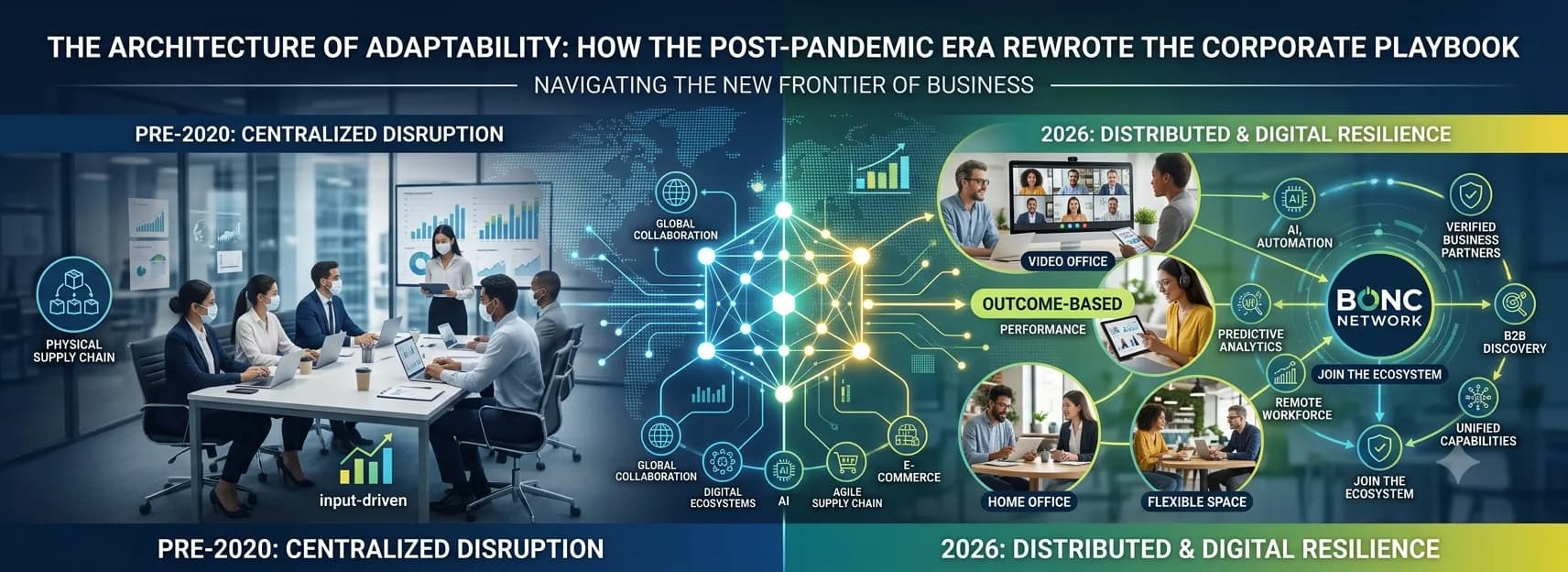
The Architecture of Adaptability: How the Post-Pandemic Era Rewrote the Corporate Playbook
The year 2020 did not just disrupt global markets; it permanently fractured the foundational logic of how commerce operates. If the immediate aftermath of the COVID-19 pandemic was defined by chaotic firefighting and ad-hoc survival tactics, the subsequent years leading to 2026 have witnessed a fundamental, structural rebuilding. We have transitioned from an era of physical-first dependency to an ecosystem governed by continuous digital innovation, distributed operations, and highly volatile consumer behavior. Survival no longer favors the largest or the most deeply capitalized enterprises; it favors the most adaptable. The macro-trends defining today's landscape reveal how business has evolved across operational frameworks, technological adoption, supply chain resilience, and marketplace ecosystems. 1. The Distributed Workforce and the "Outcome-Over-Presence" Paradigm The mandatory work-from-home experiments of the pandemic have solidified into a sophisticated, permanent structural change. In 2026, the corporate world has largely abandoned the binary debate of "remote versus in-office" in favor of a metrics-driven, flexible hybrid model. This evolution shifted leadership philosophies from tracking inputs (hours at a desk) to measuring outcomes (deliverables and key performance indicators). This distributed model has radically expanded corporate talent acquisition. Organizations are no longer bound by a 50-mile radius of a physical headquarters; they scout globally.However, decentralization introduced deep fragmented friction in communication and organizational culture. To counter this, forward-thinking enterprises rely heavily on comprehensive digital business ecosystems. Built to bridge the physical divide, ecosystems like the BONC Network allow dispersed operations to align smoothly by providing unified, cloud-backed spaces where supply chain communications, vendor discovery, and multi-partner networking happen autonomously in one verified location.
#COVID#19
Market Study
Premium Roofing Materials, Floor & Wall Tiles, Roofing Fittings and False Ceiling Solutions in India | MURLI ENTERPRISES
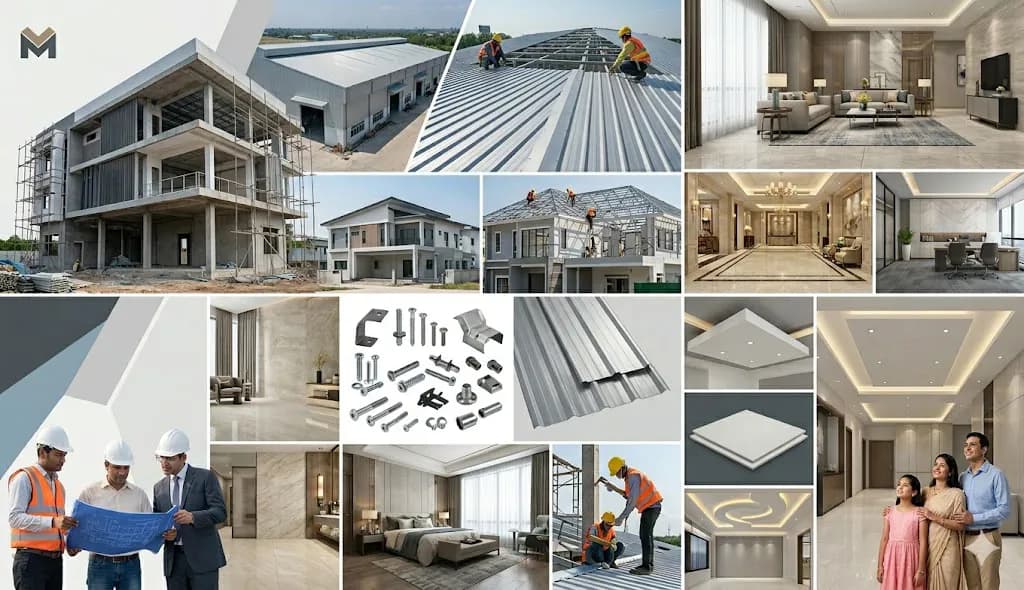
Whether it is a residential home, commercial complex, warehouse, retail showroom, or industrial facility, the quality of construction materials plays a crucial role in determining durability, aesthetics, and long-term value. From strong roofing systems to stylish floor tiles and efficient false ceiling installations, every element contributes to the overall performance and appearance of a building. MURLI ENTERPRISES has established itself as a reliable supplier of roofing materials, floor and wall tiles, roofing fittings, and false ceiling systems, catering to the diverse requirements of builders, contractors, architects, and property owners. By offering quality products across multiple construction categories, the company helps customers simplify procurement while ensuring consistent standards. Why Choosing the Right Building Materials Matters Construction projects often face challenges such as weather exposure, maintenance costs, energy efficiency concerns, and design expectations. Selecting the wrong materials can result in premature repairs, reduced structural performance, and increased operational expenses. Some of the common concerns faced by property owners include: Roof leakage and weather damage Cracked or worn-out flooring Poor interior aesthetics High maintenance requirements Inefficient ceiling systems Difficulty sourcing compatible fittings and accessories This is where a comprehensive supplier like MURLI ENTERPRISES becomes valuable by offering integrated solutions under one roof. Roofing Systems: The First Line of Protection A roof is more than just a covering. It protects occupants, equipment, and interiors from rain, heat, wind, and environmental damage. Durable Roofing Materials MURLI ENTERPRISES supplies roofing materials designed to withstand varying climatic conditions while maintaining structural integrity. Quality roofing products contribute to: Enhanced durability Better weather resistance Reduced maintenance costs Improved building lifespan Greater protection against leaks and corrosion Modern roofing systems are increasingly being chosen for their ability to combine strength with visual appeal, making them suitable for both residential and commercial projects. Essential Roofing Fittings and Accessories Even the best roofing sheets require compatible fittings for optimal performance. Roofing accessories help ensure proper installation, secure fastening, and improved durability. The range of roofing fittings available through MURLI ENTERPRISES supports efficient project execution and long-term reliability, helping contractors achieve professional installation standards. Transforming Interiors with Premium Floor and Wall Tiles Flooring and wall finishes significantly influence the overall appearance of a space. Today’s customers seek solutions that balance aesthetics, durability, and easy maintenance. Flooring That Combines Style and Strength Modern floor tiles offer a wide variety of textures, finishes, and designs suitable for: Homes Offices Hotels Educational institutions Healthcare facilities Commercial complexes MURLI ENTERPRISES supplies flooring solutions that meet both functional and decorative requirements. High-quality tiles can withstand daily wear while maintaining their appearance for years. Wall Tiles for Modern Spaces Wall tiles have become an essential design element in kitchens, bathrooms, commercial interiors, and feature walls. They provide: Easy cleaning Moisture resistance Improved hygiene Decorative appeal Long-lasting performance With evolving architectural trends, customers increasingly prefer wall tile solutions that enhance both practicality and visual impact. False Ceiling Systems: Enhancing Comfort and Design False ceilings have become an integral part of contemporary architecture. Beyond aesthetics, they contribute to improved acoustics, thermal comfort, and organized utility management. Benefits of Installing False Ceilings A professionally designed false ceiling system can provide several advantages: Better Interior Appearance False ceilings create a clean and sophisticated look while concealing electrical wiring, ducts, and structural elements. Improved Energy Efficiency They help reduce heat transfer and support better temperature control within buildings. Enhanced Acoustic Performance Commercial offices, educational facilities, and hospitality spaces often use false ceilings to reduce noise levels and improve comfort. Flexible Design Options Modern false ceiling systems are available in multiple styles, allowing architects and interior designers to achieve customized visual effects. MURLI ENTERPRISES offers solutions that align with contemporary construction and interior design requirements. Supporting Builders, Contractors, and Property Owners One of the biggest challenges in construction is coordinating multiple suppliers for different product categories. Delays, quality inconsistencies, and logistical complications can affect project timelines and budgets. By supplying roofing materials, tiles, roofing fittings, and false ceiling systems, MURLI ENTERPRISES simplifies the procurement process for customers. This comprehensive approach allows contractors and project managers to source essential materials more efficiently. Industries and Projects Served The products supplied by MURLI ENTERPRISES are suitable for a wide range of applications, including: Residential housing projects Commercial buildings Retail outlets Warehouses Industrial facilities Educational institutions Healthcare infrastructure Hospitality projects This versatility makes the company a valuable partner across various segments of the construction industry. Meeting Modern Construction Trends The construction sector continues to evolve with increasing emphasis on sustainability, aesthetics, and performance. Property developers and homeowners now seek materials that deliver long-term value while supporting modern architectural designs. Some current market preferences include: Low-maintenance building materials Energy-efficient roofing solutions Designer wall and floor tiles Durable construction components Functional false ceiling systems Integrated sourcing solutions MURLI ENTERPRISES addresses these evolving demands by offering products that align with contemporary building standards and customer expectations. Digital Visibility for Modern Businesses As buyers increasingly research products and suppliers online, digital business platforms have become important tools for industry visibility. MURLI ENTERPRISES has listed its products and business on BONC Network, allowing customers and industry professionals to discover its offerings more conveniently. Platforms such as BONC Network help bridge the gap between suppliers and potential buyers by providing accessible business information and product visibility in the digital marketplace. What Makes MURLI ENTERPRISES a Preferred Choice? Customers involved in construction and renovation projects often look for suppliers that can provide quality products, dependable availability, and a broad product range. Key strengths associated with MURLI ENTERPRISES include: Diverse construction product portfolio Roofing and ceiling expertise Quality-focused product selection Solutions for residential and commercial projects Support for contractors and builders Efficient sourcing of multiple material categories These advantages help customers streamline project execution while maintaining quality standards. Building Stronger Spaces with the Right Materials Successful construction begins with selecting materials that combine durability, functionality, and aesthetic appeal. Whether the requirement involves roofing systems, floor and wall tiles, roofing fittings, or false ceiling solutions, choosing the right supplier can significantly influence project outcomes. MURLI ENTERPRISES continues to support construction and infrastructure development by providing comprehensive building material solutions designed for modern requirements. With a product range that addresses multiple aspects of construction and interior finishing, the company helps customers create spaces that are durable, efficient, and visually appealing. Its presence on BONC Network further enhances accessibility, making it easier for businesses and customers to connect with reliable construction material solutions.
#RoofingMaterials#FloorTiles#WallTiles
Market Study
Premium Marble, Granite, Ceramic & Porcelain Tiles Supplier in India | JAIN MARBLE CENTRE
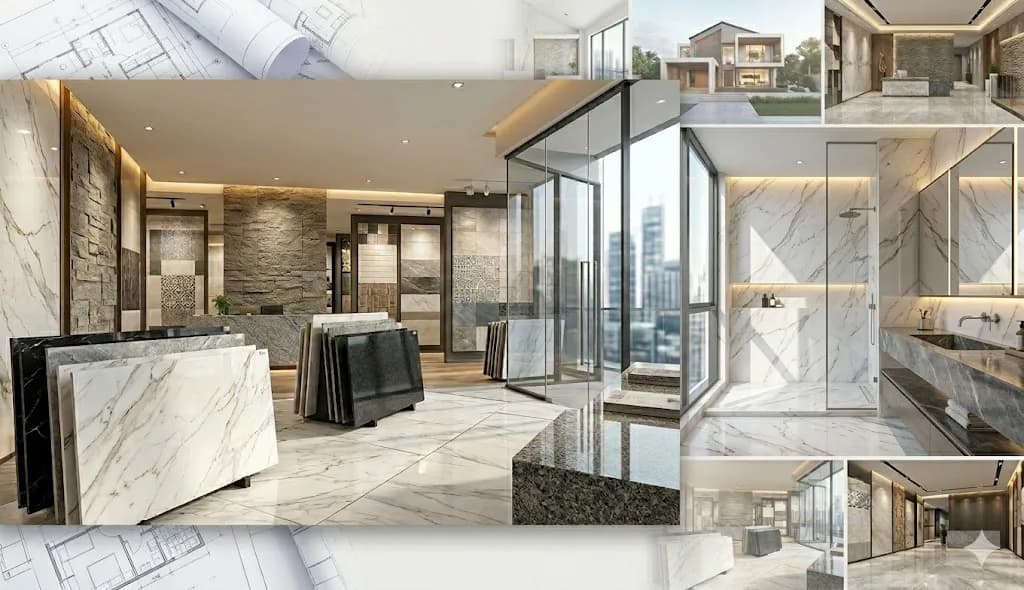
When it comes to designing a beautiful home, office, hotel, or commercial space, the choice of flooring and surface materials plays a major role in defining both aesthetics and durability. Whether it's the timeless elegance of marble, the strength of granite, or the modern appeal of porcelain and ceramic tiles, selecting the right materials can significantly enhance the value and appearance of any property. JAIN MARBLE CENTRE has emerged as a preferred destination for customers seeking premium-quality marble, granite, ceramic tiles, porcelain tiles, and natural stone products. With a diverse product portfolio and a commitment to quality, the company serves homeowners, architects, builders, interior designers, and commercial developers looking for reliable surface solutions. Why Surface Materials Matter More Than Ever Modern construction and interior design trends focus on creating spaces that are visually appealing, durable, easy to maintain, and environmentally responsible. Flooring and wall finishes are no longer just functional elements—they have become essential design statements. High-quality stone and tile products offer several advantages: Long-lasting durability Elegant and premium appearance Low maintenance requirements Resistance to wear and tear Increased property value Versatility in residential and commercial applications This growing demand has encouraged customers to seek suppliers who can provide both variety and quality under one roof. JAIN MARBLE CENTRE addresses these requirements with an extensive range of carefully selected products. A Wide Range of Premium Marble Collections Marble continues to be one of the most sought-after materials in architecture and interior design. Its natural beauty, unique patterns, and luxurious appeal make it a favorite choice for flooring, wall cladding, countertops, and decorative applications. Popular Marble Applications Living room flooring Luxury villa interiors Hotel lobbies Staircases Temple and religious spaces Wall accents JAIN MARBLE CENTRE offers premium marble options suitable for various architectural styles, helping customers achieve elegant and sophisticated interiors. Granite: The Perfect Combination of Strength and Style Granite remains a preferred material for projects requiring exceptional durability and resistance. Its natural hardness and attractive appearance make it ideal for both indoor and outdoor applications. Benefits of Granite High resistance to scratches Heat-resistant surface Suitable for heavy foot traffic Long service life Minimal maintenance Granite products supplied by JAIN MARBLE CENTRE are selected to meet modern construction requirements while maintaining aesthetic excellence. Modern Ceramic Tiles for Contemporary Living Ceramic tiles have become increasingly popular due to their affordability, versatility, and wide variety of designs. Available in multiple colors, textures, and finishes, ceramic tiles allow homeowners and designers to create personalized interiors. Ideal Uses of Ceramic Tiles Kitchen walls Bathroom flooring Balcony spaces Living areas Commercial interiors These tiles offer practical benefits while maintaining an attractive appearance, making them suitable for a wide range of projects. Porcelain Tiles: Advanced Performance with Elegant Designs Porcelain tiles have transformed modern flooring solutions by offering superior durability and moisture resistance. They are engineered to withstand demanding environments while providing a premium visual finish. Why Choose Porcelain Tiles? Low water absorption Excellent durability Easy maintenance Wide range of finishes Suitable for indoor and outdoor use JAIN MARBLE CENTRE provides porcelain tile solutions that cater to both residential and commercial construction projects, helping customers achieve modern and stylish spaces. The Natural Beauty of Stone Products Natural stone remains unmatched in its ability to bring authenticity and character to a property. Every stone slab features unique textures and patterns created by nature, making each installation distinctive. Common Natural Stone Applications Garden pathways Exterior facades Landscape projects Feature walls Outdoor seating areas Natural stone products supplied by JAIN MARBLE CENTRE are selected for their durability, visual appeal, and suitability for diverse architectural applications. Supporting Builders, Architects, and Interior Designers Construction professionals require dependable material suppliers who can consistently provide quality products and timely support. JAIN MARBLE CENTRE works closely with industry professionals to help them source materials that align with project specifications and design objectives. The company's extensive product selection enables architects and designers to explore creative possibilities while ensuring structural and aesthetic requirements are met. Choosing the Right Material for Your Project Selecting the ideal surface material depends on several factors: For Luxury Interiors Marble offers timeless beauty and sophisticated elegance. For High-Traffic Areas Granite provides exceptional durability and strength. For Modern Homes Porcelain tiles deliver contemporary aesthetics with high performance. For Cost-Effective Design Solutions Ceramic tiles provide versatility and affordability. For Outdoor and Landscape Applications Natural stone offers durability and natural charm. Understanding these differences helps customers make informed decisions that align with their budget, style preferences, and functional needs. Digital Visibility and Industry Presence As businesses increasingly adopt digital platforms to connect with customers, visibility has become an important aspect of growth. JAIN MARBLE CENTRE has listed its products and business on BONC Network, making it easier for customers and industry professionals to discover its offerings and explore available stone and tile solutions. Platforms such as BONC Network help bridge the gap between suppliers and buyers by providing access to business information and product categories within a structured marketplace environment. What Sets JAIN MARBLE CENTRE Apart? Several factors contribute to the company's growing reputation among customers and construction professionals: Product Variety A comprehensive selection of marble, granite, ceramic tiles, porcelain tiles, and natural stone products. Quality Focus Carefully sourced materials designed to meet customer expectations. Industry Understanding Knowledge of evolving architectural and interior design trends. Customer-Centric Approach Support for homeowners, contractors, architects, and commercial developers. Reliable Solutions Products suitable for projects of varying sizes and requirements. Building Beautiful Spaces with the Right Materials The foundation of every remarkable space lies in the materials used to create it. From luxurious marble flooring and durable granite surfaces to stylish ceramic and porcelain tiles, selecting premium-quality materials ensures long-term satisfaction and visual appeal. JAIN MARBLE CENTRE continues to support residential and commercial projects by providing a diverse range of high-quality marble, granite, ceramic tiles, porcelain tiles, and natural stone products. By combining product variety, quality standards, and industry expertise, the company helps customers bring their design visions to life while meeting practical construction requirements. For those seeking reliable stone and tile solutions, JAIN MARBLE CENTRE offers products that balance beauty, performance, and lasting value.
#JainMarbleCentre#BONCNetwork#BONCNetworkIndia
Market Study
Best Power Transformer Manufacturer & Electronic Transformer Components Supplier in India | High-Performance Electrical Solutions by ARUN ENTERPRISES (I Power Transformer)
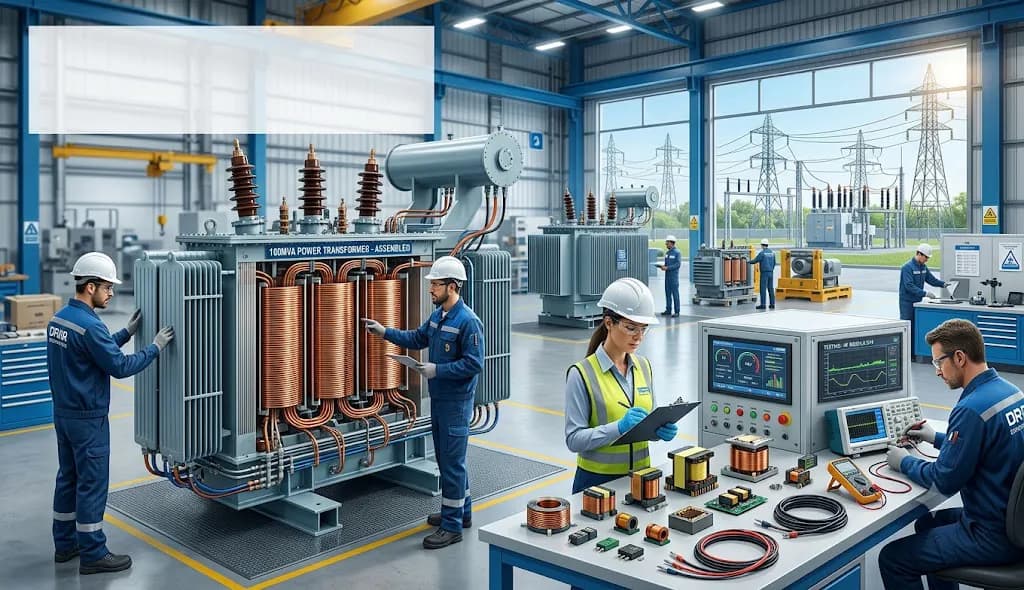
Electricity is the backbone of industrial growth, commercial operations, and modern infrastructure. Behind every stable power distribution system lies a critical component that often goes unnoticed—the transformer. Whether it is a manufacturing facility, a commercial complex, a renewable energy project, or an electrical equipment manufacturer, transformers play a vital role in ensuring efficient voltage regulation and uninterrupted power flow. As industries continue to expand and demand dependable electrical systems, the need for high-quality power transformers and electronic transformer components has become increasingly important. ARUN ENTERPRISES (I Power Transformer) contributes to this growing demand by manufacturing and supplying transformer solutions designed to support diverse industrial and commercial applications. Understanding the Importance of Transformers in Today's Electrical Systems Transformers are essential devices used to transfer electrical energy between circuits while maintaining efficiency and safety. They help increase or decrease voltage levels according to application requirements, ensuring electrical equipment operates smoothly and reliably. From industrial machinery and automation systems to power distribution networks and electronic devices, transformers are present in almost every sector. The quality and performance of these components directly influence energy efficiency, operational reliability, and equipment lifespan. Recognizing these industry requirements, ARUN ENTERPRISES (I Power Transformer) focuses on delivering transformer products that meet modern electrical standards and performance expectations. A Comprehensive Range of Power Transformer Solutions Different industries require different transformer specifications. A one-size-fits-all approach rarely works in electrical engineering. This is why ARUN ENTERPRISES (I Power Transformer) offers a range of transformer products and electronic transformer components designed to address varying operational needs. Power Transformers Power transformers are designed to handle high-voltage electricity transmission and distribution. These transformers are critical for power stations, industrial facilities, and large-scale infrastructure projects. Key advantages include: Efficient voltage conversion Reduced transmission losses Reliable power distribution Enhanced operational safety Long service life By focusing on engineering precision and quality manufacturing, ARUN ENTERPRISES (I Power Transformer) provides solutions that support stable electrical performance across demanding environments. Electronic Transformer Components Electronic transformer components form the foundation of many electrical and electronic systems. These components contribute significantly to transformer efficiency, durability, and overall performance. Applications include: Industrial automation systems Electrical control panels Consumer electronics Power supply units Renewable energy systems Electrical equipment manufacturing Careful component selection and manufacturing processes help ensure consistency and reliability in every application. Why Quality Matters in Transformer Manufacturing A transformer is not simply another electrical component. It is an investment that influences the efficiency and reliability of an entire electrical system. Poor-quality transformers can lead to: Voltage fluctuations Increased energy losses Frequent maintenance requirements Equipment failures Production downtime To avoid these challenges, businesses increasingly seek manufacturers that prioritize quality control, technical expertise, and dependable engineering practices. ARUN ENTERPRISES (I Power Transformer) emphasizes manufacturing standards that support product durability, operational efficiency, and dependable performance under varying load conditions. Supporting Multiple Industries Through Customized Solutions Every industry faces unique electrical challenges. A manufacturing plant may require heavy-duty power handling capabilities, while an electronics manufacturer may focus on precision transformer components. Industrial Manufacturing Factories depend on stable power supply to maintain productivity and prevent costly interruptions. High-performance transformers help support continuous machine operation and optimized energy usage. Commercial Infrastructure Shopping complexes, office buildings, educational institutions, and healthcare facilities require reliable electrical distribution systems. Proper transformer selection contributes to safe and efficient power management. Renewable Energy Projects As solar and renewable energy installations continue to grow, transformer technology plays a crucial role in converting and distributing generated electricity. Transformer components must deliver both efficiency and reliability to maximize project performance. Electrical Equipment Manufacturers Manufacturers of electrical systems and equipment rely on quality transformer components to ensure their products meet customer expectations and industry requirements. What Customers Look for in a Transformer Supplier When selecting a transformer manufacturer or supplier, customers often evaluate several important factors: Technical Expertise A supplier with industry knowledge can better understand application requirements and recommend suitable solutions. Product Reliability Consistent performance is essential, especially in critical electrical applications where downtime can result in significant financial losses. Quality Assurance Comprehensive testing and quality control processes help ensure that transformers perform as intended under real-world operating conditions. Timely Supply Reliable product availability enables businesses to maintain project schedules and operational continuity. ARUN ENTERPRISES (I Power Transformer) works to address these expectations by focusing on product quality, manufacturing consistency, and customer-oriented service. The Growing Demand for Energy-Efficient Transformer Technology Energy efficiency has become a major consideration across industries. Organizations are seeking solutions that help reduce operational costs while supporting sustainability goals. Modern transformer technology contributes to these objectives through: Lower energy losses Improved power management Better system efficiency Enhanced equipment protection Reduced maintenance requirements As energy regulations and environmental expectations continue to evolve, the importance of efficient transformer solutions is expected to grow even further. Digital Visibility and Industry Connectivity In addition to manufacturing and supplying transformer solutions, businesses today benefit from stronger digital visibility and professional networking opportunities. ARUN ENTERPRISES (I Power Transformer) has listed its products and business on BONC Network, allowing customers and industry professionals to discover its offerings more easily. Such digital business platforms help bridge the gap between manufacturers, suppliers, and potential buyers looking for specialized electrical solutions. Industry-focused platforms like BONC Network also support greater visibility for businesses operating in highly technical sectors such as transformer manufacturing and electrical component supply. Building Long-Term Value Through Reliable Electrical Solutions Electrical systems are expected to operate safely and efficiently for years. Choosing the right transformer manufacturer can significantly influence operational performance, maintenance costs, and long-term reliability. By focusing on quality manufacturing, dependable transformer products, and industry-specific requirements, ARUN ENTERPRISES (I Power Transformer) continues to serve organizations seeking reliable power transformer and electronic transformer component solutions. Conclusion The demand for dependable power distribution and efficient electrical systems continues to rise across industries. From industrial facilities and commercial infrastructure to renewable energy projects and equipment manufacturing, transformers remain a critical part of modern operations. ARUN ENTERPRISES (I Power Transformer) contributes to this essential sector by manufacturing and supplying power transformers and electronic transformer components designed to support performance, efficiency, and reliability. With a commitment to quality and a growing presence through platforms such as BONC Network, the company remains well-positioned to serve the evolving needs of today's electrical and industrial landscape.
#PowerTransformer#TransformerManufacturer#ElectronicTransformer
Market Study
Best Door & Window Hardware in India | Premium Hinges, Fittings & Industrial Hardware Solutions by J P SHYAM & SON
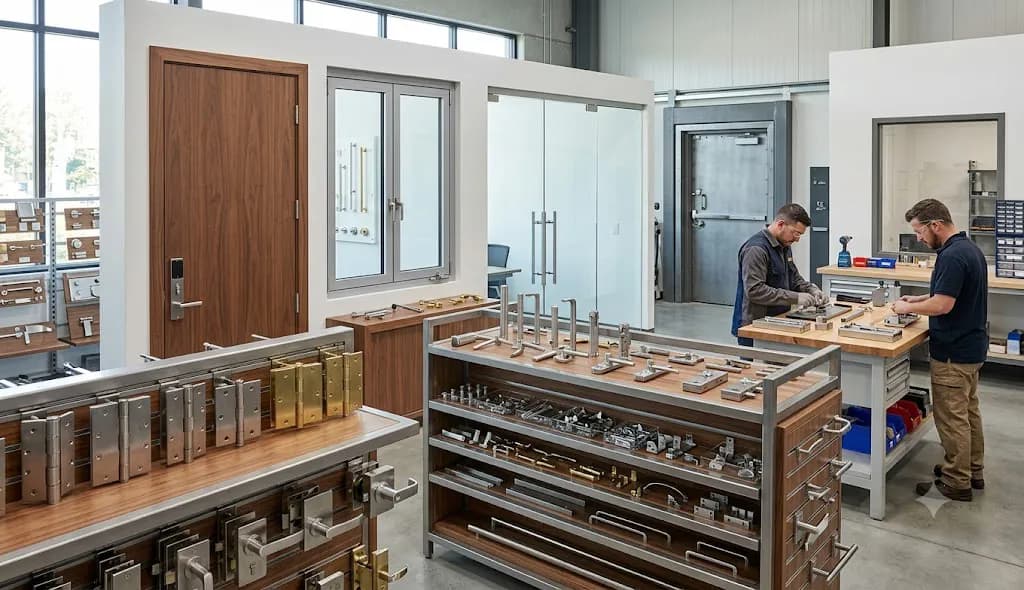
Doors and windows are among the most frequently used components in any building. Whether it is a family home, a corporate office, a retail showroom, or an industrial facility, the performance of doors and windows largely depends on the quality of the hardware installed. Hinges, fittings, locks, handles, brackets, and supporting accessories may appear small, but they play a vital role in safety, durability, and convenience. J P SHYAM & SON specializes in supplying high-quality door and window hardware designed to meet the demands of residential, commercial, and industrial applications. With a focus on durability, precision, and long-term performance, the company provides solutions that help customers achieve reliable functionality and enhanced aesthetics for their spaces. Why Hardware Quality Matters More Than Ever When selecting doors and windows, many buyers focus on design, material, and appearance. However, the hardware is what keeps these systems functioning smoothly day after day. Poor-quality hinges and fittings often lead to: Frequent maintenance issues Misaligned doors and windows Premature wear and tear Reduced security Increased replacement costs Choosing premium hardware ensures smoother operation, longer service life, and greater overall value. This is where J P SHYAM & SON delivers dependable products that support both performance and durability. Built for Everyday Reliability Every building has unique requirements. A residential apartment may need aesthetically pleasing hardware that complements interiors, while an industrial facility requires components capable of handling heavy usage and challenging environments. J P SHYAM & SON understands these varying needs and offers hardware solutions engineered for different applications. Residential Hardware Solutions Modern homes demand a balance of functionality and design. Homeowners seek hardware that not only performs efficiently but also enhances the visual appeal of doors and windows. The company's residential product range supports: Main entrance doors Interior room doors Balcony doors Sliding windows Wooden and metal frames These products are designed to provide smooth movement, secure installation, and lasting performance in daily household use. Commercial Building Applications Commercial spaces experience significantly higher traffic than residential properties. Offices, hotels, educational institutions, shopping complexes, and healthcare facilities require hardware that can withstand continuous operation. J P SHYAM & SON supplies durable fittings suitable for: Office entrances Conference rooms Retail outlets Hospitality establishments Institutional buildings The emphasis remains on strength, reliability, and reduced maintenance requirements. Industrial-Grade Hardware Industrial environments often present demanding conditions including heavy loads, frequent operation, and exposure to varying temperatures. To address these challenges, the company offers hardware solutions engineered for: Warehouses Manufacturing facilities Industrial workshops Storage units Utility structures These products are selected for their durability and ability to perform consistently under rigorous usage. A Closer Look at the Product Range One of the strengths of J P SHYAM & SON lies in its comprehensive range of door and window hardware products. Heavy-Duty Hinges Hinges are the backbone of every door and window system. The company offers high-quality hinges designed to provide: Smooth movement Strong load-bearing capacity Corrosion resistance Long operational life Suitable for wooden, aluminum, steel, and specialized applications, these hinges help ensure reliable performance over time. Door Fittings The company supplies various door fittings that contribute to safety, functionality, and convenience. Features include: Robust construction Precision manufacturing Easy installation Consistent performance These fittings are suitable for both new construction projects and renovation work. Window Hardware Components Window systems require carefully designed fittings to maintain smooth operation and proper alignment. J P SHYAM & SON provides hardware solutions that support: Sliding windows Casement windows Ventilation systems Customized window installations The products help improve usability while maintaining structural integrity. Supporting Hardware Accessories Beyond hinges and primary fittings, the company also offers a range of supporting hardware accessories that contribute to complete installation solutions. These components are selected to ensure compatibility, durability, and reliable performance across diverse projects. Meeting the Needs of Modern Construction Construction standards continue to evolve as architects, builders, and property owners prioritize quality, safety, and longevity. Today's projects require hardware that delivers: Long-term reliability Corrosion resistance Precision engineering Enhanced safety Professional appearance J P SHYAM & SON aligns its offerings with these expectations by providing products that support modern building requirements while maintaining practical value for customers. What Customers Look for in Hardware Suppliers Selecting a hardware supplier is about more than simply purchasing products. Buyers often seek consistency, product availability, and confidence in performance. Customers choose reliable suppliers based on: Product Quality Durable materials and precise manufacturing contribute significantly to the lifespan of hardware products. Wide Selection A broad product range simplifies procurement and ensures compatibility across different projects. Technical Understanding Knowledge of application requirements helps customers choose the right hardware solutions for specific needs. Consistent Supply Reliable product availability is essential for contractors, builders, fabricators, and project managers working on strict timelines. These factors continue to strengthen the value offered by J P SHYAM & SON in the hardware sector. Supporting Businesses Through Digital Visibility As procurement processes become increasingly digital, businesses and buyers often search online for reliable suppliers and product information. To enhance its visibility and connect with a wider audience, J P SHYAM & SON has listed its products and business on BONC Network. This enables potential customers, contractors, and industry professionals to discover relevant hardware solutions more efficiently. The growing use of platforms such as BONC Network reflects how modern businesses are combining product quality with digital accessibility to serve customers better. Delivering Value Beyond the Product The true value of quality hardware becomes evident over years of use. Reliable hinges and fittings reduce maintenance costs, minimize operational disruptions, and contribute to overall building safety. By focusing on durable construction, practical functionality, and customer requirements, J P SHYAM & SON helps residential, commercial, and industrial customers invest in hardware solutions that deliver lasting performance. The Foundation of Every Strong Door and Window Behind every smoothly operating door and securely fitted window is dependable hardware. While often overlooked, these components are essential to the comfort, safety, and efficiency of any building. J P SHYAM & SON continues to provide high-quality door and window hardware solutions that support diverse applications across residential, commercial, and industrial sectors. Through durable hinges, precision fittings, and a commitment to quality, the company contributes to stronger structures and more reliable building performance. With its presence on BONC Network and a focus on meeting evolving industry needs, J P SHYAM & SON remains a valuable source for customers seeking dependable hardware solutions built for long-term success.
#DoorHardware#WindowHardware#Hinges
Market Study
Healthcare Products & Medical Aids in India | Better Living, Home Care Solutions & Wellness Support by Religin Care
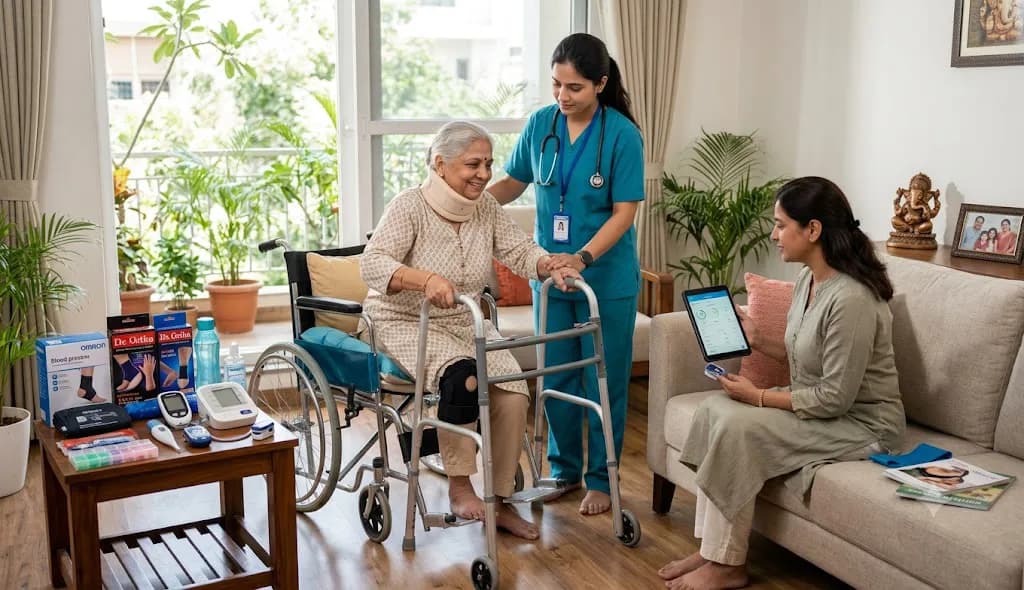
Good health is not only about treatment—it is also about prevention, comfort, recovery, and maintaining independence in daily life. From individuals managing chronic conditions to seniors seeking mobility support and caregivers looking for reliable healthcare solutions, quality healthcare products play a vital role in improving overall well-being. Religin Care is dedicated to providing healthcare products and medical aids that help individuals live more comfortably, safely, and confidently. With a focus on quality, functionality, and user convenience, the company offers a wide range of products designed to support healthier lifestyles and better patient care. Why Healthcare Products Matter in Daily Life Healthcare products are no longer limited to hospitals and clinics. Today, people increasingly use medical aids and wellness products at home, in workplaces, rehabilitation centers, and elderly care facilities. These products help users: Monitor health conditions effectively Improve mobility and independence Support recovery after illness or surgery Enhance personal comfort and safety Reduce the burden on caregivers Promote long-term wellness and preventive care As healthcare awareness continues to grow, reliable medical aids have become essential tools for maintaining a better quality of life. Understanding Modern Healthcare Needs Every individual has unique healthcare requirements. Some may need mobility assistance, while others require monitoring devices, rehabilitation equipment, or daily living aids. Religin Care recognizes these diverse needs and provides solutions that are designed to make healthcare more accessible and manageable. By offering dependable healthcare products, the company helps bridge the gap between professional medical care and everyday living. Supporting Patients Beyond Hospitals Healthcare does not end when a patient leaves a medical facility. Recovery and ongoing care often continue at home, where the right equipment can significantly improve outcomes. Products that assist with mobility, monitoring, comfort, and rehabilitation enable patients to regain confidence while reducing unnecessary stress for family members and caregivers. Product Categories Offered by Religin Care Religin Care provides a comprehensive selection of healthcare products and medical aids designed to support people at different stages of life and health management. Mobility Assistance Solutions Mobility aids help individuals move safely and independently. These products are especially beneficial for seniors, patients recovering from surgery, and individuals with physical challenges. Common mobility support products include: Wheelchairs Walkers Walking sticks Crutches Mobility accessories These solutions help improve movement while minimizing the risk of falls and injuries. Home Healthcare Equipment The demand for home healthcare equipment has increased significantly as more families prefer convenient care at home. Such products may include: Health monitoring devices Patient care equipment Supportive healthcare accessories Daily wellness tools These products enable individuals to monitor and manage their health comfortably from home. Rehabilitation and Recovery Aids Recovery often requires specialized support to restore strength and mobility. Rehabilitation products assist users during the healing process and contribute to better recovery experiences. Benefits include: Improved physical support Enhanced comfort during recovery Better rehabilitation outcomes Increased patient confidence Elderly Care Products As the population ages, the need for dependable elderly care products continues to grow. Religin Care offers solutions designed to help senior citizens maintain independence while ensuring safety and comfort. These products can make daily activities easier and improve overall quality of life. What Makes Quality Healthcare Products Important? Choosing healthcare products is not simply about availability—it is about reliability, durability, safety, and effectiveness. User Comfort Healthcare products are often used for extended periods. Comfortable designs help users maintain regular use without unnecessary discomfort. Safety Standards Products designed for healthcare applications must meet high standards of quality and safety to ensure dependable performance. Ease of Use Simple, user-friendly products are especially valuable for elderly users, caregivers, and individuals recovering from illness. Long-Term Value Durable healthcare equipment reduces replacement costs and provides consistent support over time. Religin Care focuses on offering products that combine these essential qualities to meet the practical needs of users. Healthcare Trends Driving Better Living The healthcare industry is evolving rapidly, with increasing emphasis on preventive care, home-based treatment, and patient empowerment. Several key trends are shaping the market: Growing Home Healthcare Adoption Many families now prefer healthcare solutions that allow patients to remain in familiar home environments while receiving appropriate support. Increased Health Awareness Consumers are becoming more proactive about monitoring and maintaining their health, driving demand for healthcare devices and wellness products. Focus on Senior Care The growing elderly population has increased the need for mobility aids, supportive equipment, and daily living assistance products. Technology-Driven Healthcare Modern healthcare products increasingly incorporate innovative features that improve accuracy, convenience, and user experience. By staying aligned with these evolving trends, Religin Care continues to offer solutions that address real-world healthcare challenges. A Reliable Partner for Healthcare Support Healthcare products impact not only patients but also caregivers, healthcare professionals, and family members. Reliable equipment helps simplify care routines, improve patient comfort, and create safer living environments. Businesses that prioritize quality and customer satisfaction contribute significantly to better healthcare experiences. Religin Care remains committed to providing dependable medical aids and healthcare products that support users in their daily lives. The company's growing presence also allows customers and businesses to discover its offerings through BONC Network, where Religin Care has listed its products and business information for broader visibility and accessibility. Choosing the Right Healthcare Products Before selecting any healthcare aid, it is important to consider: Individual health requirements Product quality and durability Ease of operation Safety features Professional recommendations Long-term usability Making informed decisions helps users gain the maximum benefit from healthcare products while improving overall well-being. Conclusion Healthcare products and medical aids have become essential components of modern living. Whether supporting recovery, enhancing mobility, assisting elderly care, or promoting everyday wellness, the right products can make a meaningful difference in people's lives. Religin Care continues to contribute to this important sector by providing healthcare products designed to improve comfort, safety, independence, and quality of life. As awareness around health and wellness grows, dependable healthcare solutions remain crucial for individuals, families, and caregivers alike. With its commitment to better living and its presence on BONC Network, Religin Care is helping connect people with healthcare products that support healthier, more comfortable, and more confident lifestyles.
#HealthcareProducts#MedicalAids#HomeHealthcare
Case Study
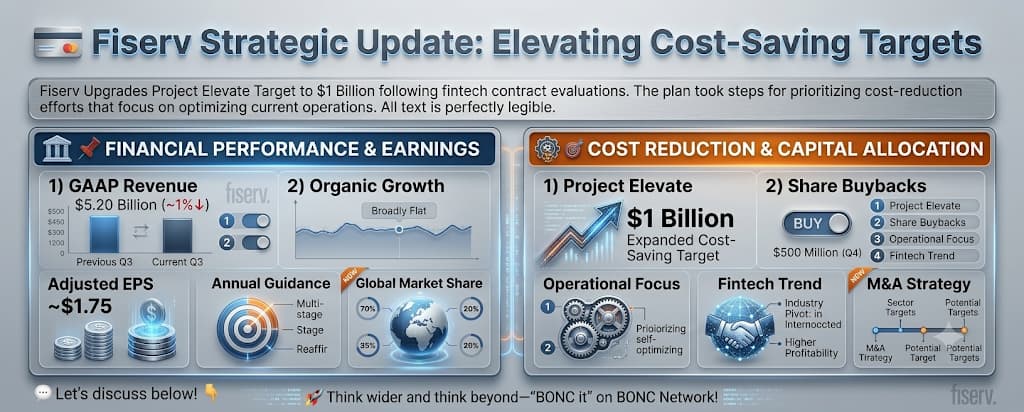
💳 Fiserv Upgrades Project Elevate Target to $1 Billion
Financial technology provider Fiserv has delivered its third-quarter 2026 financial results, reporting GAAP revenue of $5.20 billion alongside an expanded efficiency strategy. The company escalated its Project Elevate cost-saving target to $1 billion while maintaining its full-year outlook and signaling key shareholder returns. ⚡ SECTION A — Financial Results & Guidance 🔹 01. Revenue Topline Quarterly GAAP revenue reached $5.20 Billion , representing a modest 1% decline year-on-year. 🔹 02. Organic Performance Organic revenue growth remained broadly flat during the third quarter. 🔹 03. Per-Share Earnings Delivered an adjusted earnings per share (EPS) of ~$1.75 . 🔹 04. Guidance Outlook Management officially reaffirmed and maintained its full-year financial target outlook. 📈 SECTION B — Efficiency Strategy & Capital Allocation 🔹 01. Project Elevate Expansion Increased the total target of its Project Elevate cost-saving initiative to $1 Billion . 🔹 02. Share Repurchases Indicated plans to execute approximately $500 Million in fourth-quarter share buybacks. 🔹 03. Core Priority Enhancing operational efficiency and margin optimization remains management's central focus. 🔹 04. Industry Significance Underscores the broader shift toward operational discipline and profitability across the global Fintech landscape. 👇 Let’s discuss below! Think wider and think beyond—“BONC it” on BONC Network!
#Fiserv#FI#Fintech
Case Study
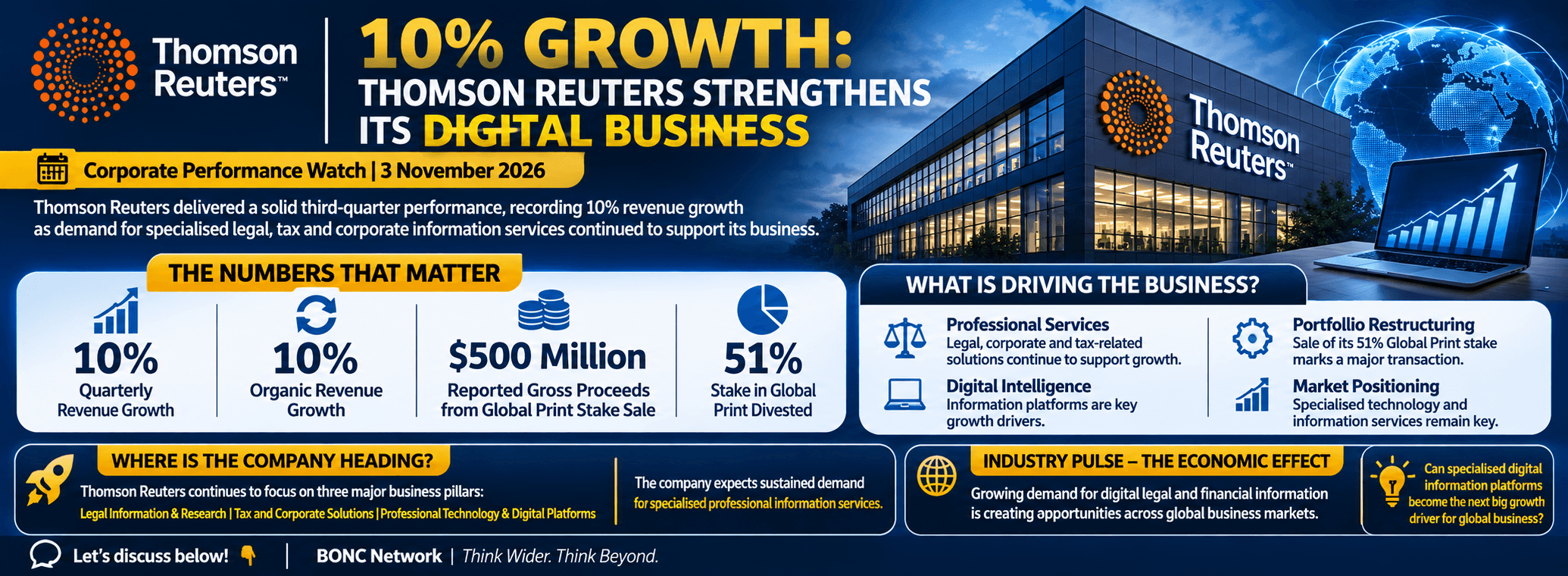
10% GROWTH: THOMSON REUTERS STRENGTHENS ITS DIGITAL BUSINESS
Thomson Reuters delivered a solid third-quarter performance, recording 10% revenue growth as demand for specialized legal, tax and corporate information services continued to support its business. Digital platforms and strategic portfolio changes remain central to its growth direction. 📊 THE NUMBERS THAT MATTER 10% — Quarterly Revenue Growth 10% — Organic Revenue Growth $500 Million — Reported Gross Proceeds from Global Print Stake Sale 51% — Stake in Global Print Divested ⚖️ WHAT IS DRIVING THE BUSINESS? Professional Services: Legal, corporate and tax-related solutions continue to support revenue performance. Digital Intelligence: Information platforms are becoming increasingly important to professional customers. Portfolio Restructuring: The sale of its 51% Global Print stake marks a significant business transaction. Market Positioning: Specialized technology and information services remain key areas of focus. 🚀 WHERE IS THE COMPANY HEADING? Thomson Reuters continues to concentrate on three major business pillars: ▪ Legal Information & Research ▪ Tax and Corporate Solutions ▪ Professional Technology & Digital Platforms The company expects sustained demand for specialized professional information services. 🌐 INDUSTRY PULSE — THE ECONOMIC EFFECT The growing adoption of digital legal and financial information is creating opportunities across professional technology, corporate services and global business intelligence markets. 💡 THE QUESTION FOR BUSINESS LEADERS Can specialized digital information platforms become one of the strongest growth engines for the global professional services industry? Let's discuss below! 👇 BONC Network | Think Wider. Think Beyond. Make the post feel more like breaking news Replace the sections with a fresh visual flow
#ThomsonReuters#QuarterlyRevenue#RevenueGrowth

Case Study
Pfizer Reports Quarterly Revenue of $16.6 Billion
Date: 3 November 2026 Pfizer announced its third-quarter 2026 financial results, reporting revenue of approximately $16.6 billion, which remained broadly comparable with the same period last year. Solid contribution from newly launched and acquired products drove strong underlying growth. 🧬 Financial & Guidance Highlights Revenue Performance: Reported quarterly revenue reached $16.6 billion, matching prior-year levels. Non-COVID Growth: Operational revenue grew ~7% when excluding COVID-related products. Raised Revenue Outlook: Full-year revenue guidance was upgraded to $62–64 billion. Improved EPS Guidance: Adjusted diluted EPS guidance was increased to $2.95–$3.05. 📈 Strategic & Leadership Updates Pipeline Impact: Launched and acquired products contributed significantly to operational growth. Executive Leadership: The company announced the appointment of a new Chief Financial Officer. Strategic Priorities: Oncology, immunology, and obesity-related treatments remain key focus areas. Economic Spillover: Performance highlights the role of pharmaceutical innovation and global healthcare investment. Let’s discuss below! 👇 Think wider and think beyond—“BONC it” on BONC Network!
#Pfizer#PFE#QuarterlyResults
Case Study
The Rise of Physical AI: Humanoid Robots and the Next Industrial Frontier
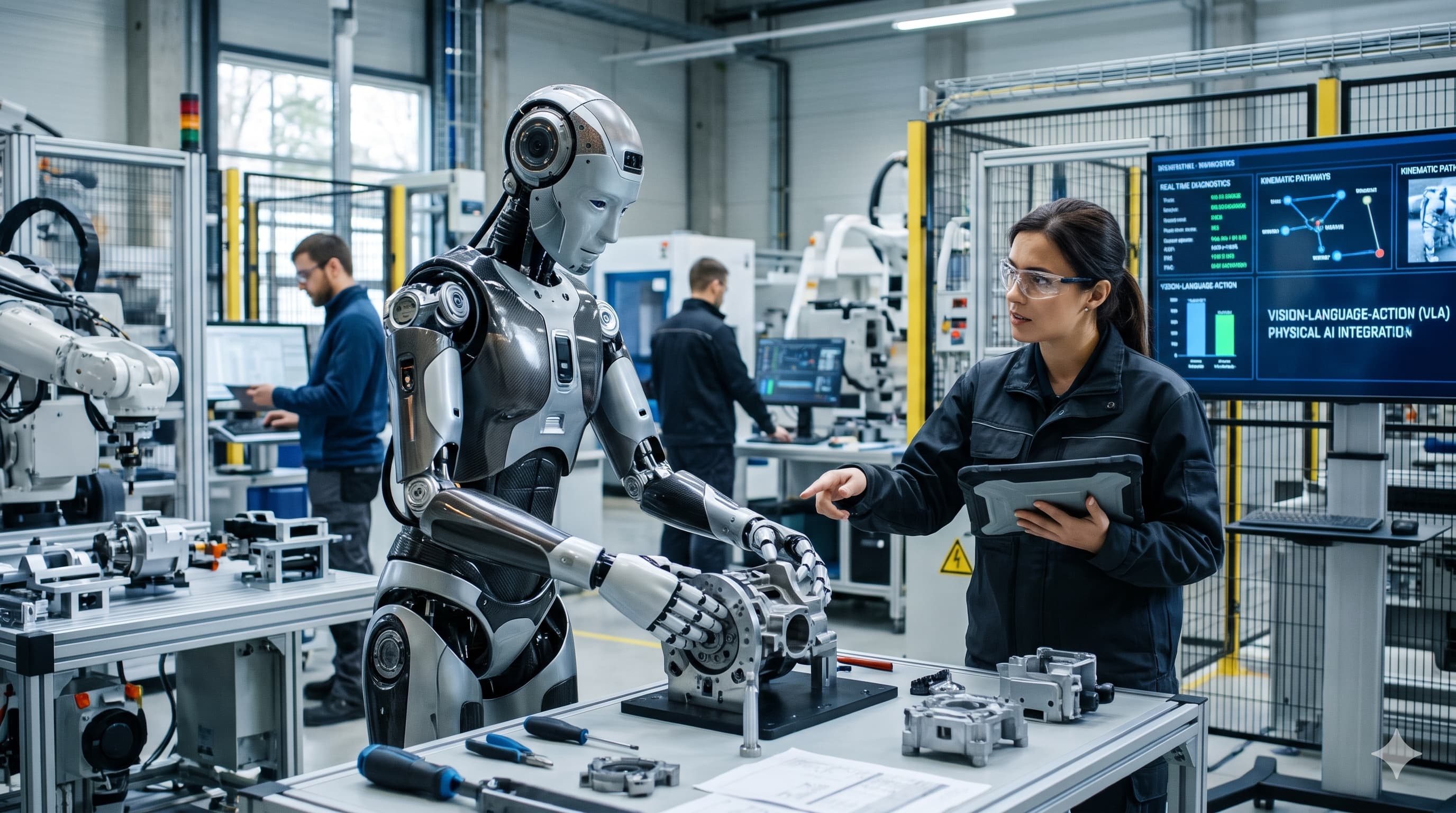
Executive Summary For years, AI existed purely in the digital realm—generating text, analyzing data, and automating software workflows. Today, the most significant frontier is Physical AI: embedding complex Vision-Language-Action (VLA) models into mobile, humanoid, and industrial hardware to operate autonomously in the physical world. The Challenge: From Screens to Physical Space Bridging the gap between digital intelligence and physical execution has been a monumental hurdle: Sensory-Motor Integration: Translating abstract instructions into precise, real-time physical movements (like grasping fragile objects or navigating uneven terrain) requires high-frequency feedback loops. Varied and Unstructured Environments: Unlike static factory arms, humanoid robots must operate alongside humans in chaotic, unpredictable, and changing spaces. Compute at the Edge: Training these systems requires vast simulated environments, while running them requires massive local processing power on on-board hardware. The Architecture: Vision-Language-Action (VLA) Models At the core of Physical AI is a shift away from pre-programmed trajectories to adaptive, general-purpose reasoning: Perceptual Foundation: Large-scale vision-language models capture and understand 3D spaces, objects, and human gestures. Physics and Action Simulation: Millions of iterations are practiced in physics-based simulation environments (like digital twins) to learn motor skills without risking hardware. Real-Time Adaptation: On-board AI processors run neural networks that allow the robot to adjust its path, grip, and task sequence on the fly based on what it senses. Market Impact Labor Support in Hazardous Roles: Industries from logistics to heavy manufacturing are deploying humanoid robots for repetitive, physically demanding, or dangerous tasks, such as material handling and assembly. The Autonomous Supply Chain: The line between software and physical task execution is blurring, with warehouse robots dynamically responding to inventory shifts. Hardware-Software Convergence: Value is rapidly moving toward platforms that seamlessly integrate advanced AI with robust robotic hardware, creating a brand-new multi-billion-dollar industrial market.
#PhysicalAI#HumanoidRobots#SmartManufacturing
Case Study
From Chatbots to Action: How Autonomous Multi-Agent Workflows Are Redefining Enterprise Operations
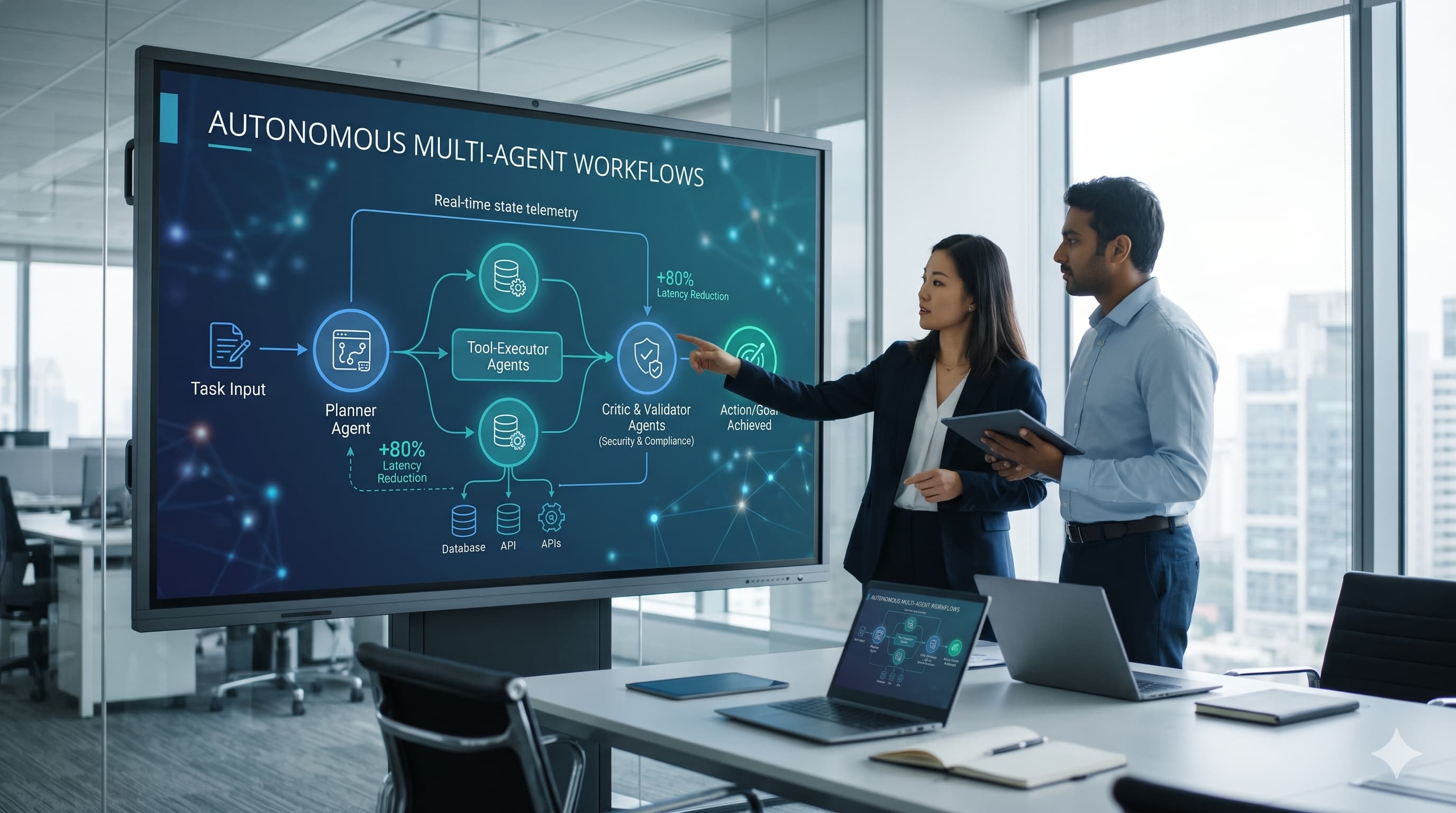
Executive Summary The AI market has crossed a critical inflection point: the transition from conversational interfaces to autonomous multi-agent systems. While 2023–2024 centered on chat-based interfaces and retrieval-augmented generation (RAG), today's high-impact deployments orchestrate specialized AI agents capable of planning, tool use, and self-correcting task execution across enterprise software stacks. The Challenge: Beyond Static Q&A First-generation generative AI implementations faced significant limitations in enterprise environments: Human-in-the-Loop Bottlenecks: Standard chat assistants still required human operators to manually transfer outputs into downstream systems (CRMs, ERPs, ticketing tools). Hallucinations in Complex Logic: Single-prompt LLMs struggled when executing multi-step mathematical, procedural, or data-reconciliation tasks. Siloed Context: Models operated in isolation from real-time enterprise APIs and internal state machines. The Architecture: Coordinated Agentic Systems Modern agentic architectures address these bottlenecks by decomposing complex objectives into discrete, coordinated workflows: Planner Agent: Ingests high-level business goals and breaks them into sequential sub-tasks. Tool-Executor Agents: Interface directly with production APIs, SQL databases, and internal microservices using structured function calling. Critic & Validator Agents: Continuously verify intermediate outputs against compliance rules, schema definitions, and guardrails before committing changes. Key Outcomes & Market Impact 80%+ Reduction in Process Latency: Multi-agent workflows automate complex back-office workflows—such as automated threat triage in SecOps and multi-source vendor reconciliation in finance—reducing turnaround times from hours to seconds. Lower Failure Rates: Deterministic validation layers reduce ungrounded outputs by anchoring every state transition to verifiable system telemetry. Shift in Software Economics: Value is shifting away from generic LLM wrappers toward specialized platforms with deep domain integrations and reliable multi-step execution.
#ArtificialIntelligence#AgenticAI#EnterpriseTech
Case Study
How Artificial Intelligence Is Transforming B.Tech Placements: Opportunities, Challenges and the Future of Engineering Students
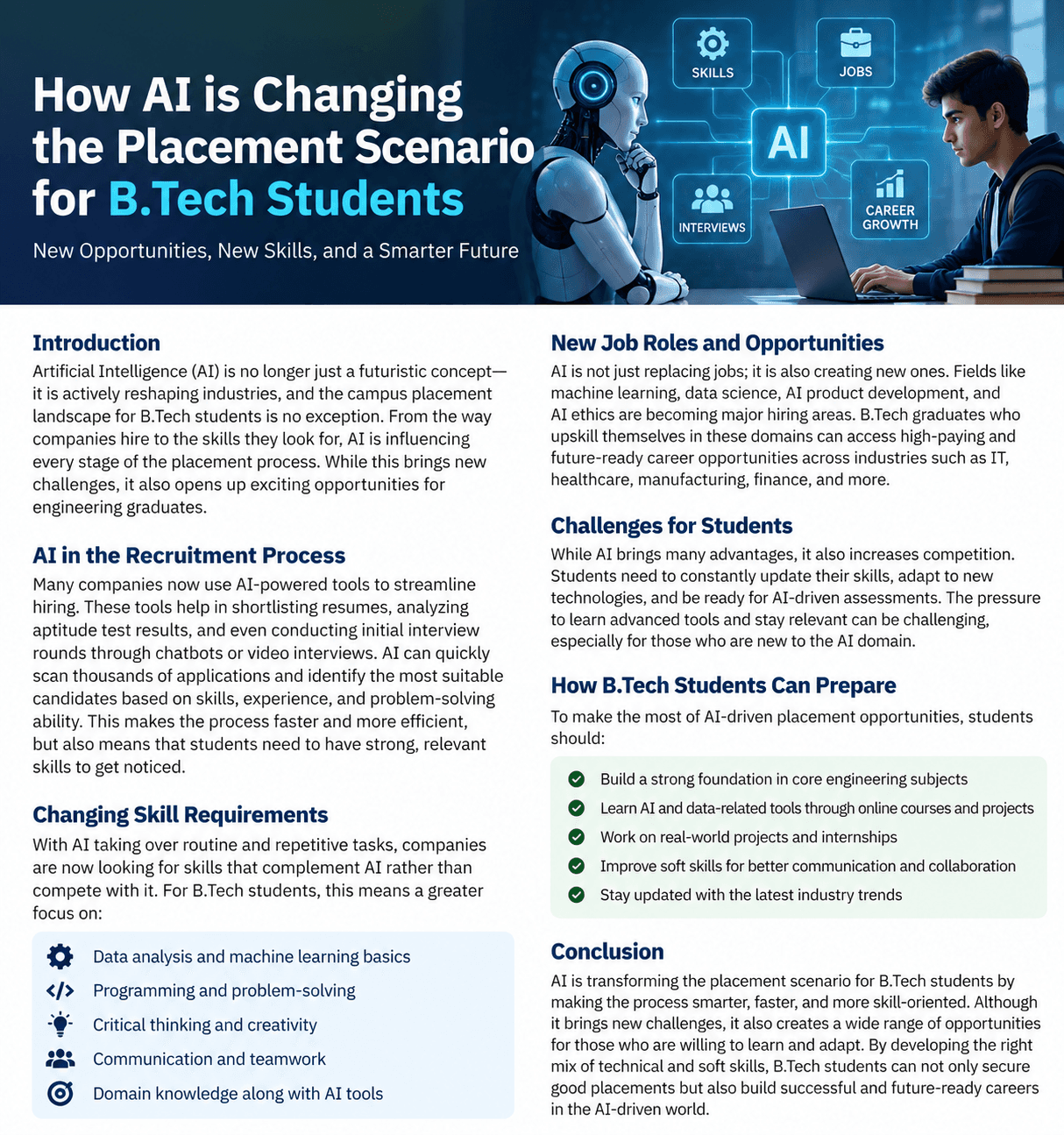
Introduction Artificial Intelligence (AI) is rapidly transforming the world of technology, education, and employment. From automating everyday tasks to developing advanced software solutions, AI has become an important part of modern industries. One area experiencing significant change is campus recruitment, especially for Bachelor of Technology ( B.Tech ) students. In recent years, companies have started looking beyond traditional academic qualifications and focusing more on practical skills, problem-solving abilities, adaptability, and knowledge of emerging technologies. As a result, AI is influencing how companies hire engineering graduates and what they expect from freshers. For B.Tech students, AI brings both exciting opportunities and new challenges. Understanding these changes is essential for building a successful career in the technology-driven job market. 1. How AI Is Changing the Placement Process Artificial Intelligence is transforming the traditional campus placement process. Many organisations are using AI-powered recruitment tools to make hiring faster and more efficient. Some common applications include: AI-based resume screening: Companies use AI tools to analyse resumes and shortlist candidates based on relevant skills, qualifications, and experience. Automated assessments: AI-powered platforms help conduct coding tests, aptitude assessments, and technical evaluations. AI-based interviews: Some recruitment platforms use AI to assist with interview scheduling, candidate assessment, and initial screening. Skill matching: AI helps recruiters identify candidates whose technical abilities match specific job requirements. These technologies are making recruitment more data-driven and efficient. However, candidates must still demonstrate genuine technical knowledge, communication skills, and problem-solving abilities. 2. Increasing Demand for AI-Related Skills One of the biggest changes in B.Tech placements is the growing demand for knowledge of emerging technologies. Companies are increasingly looking for graduates who understand areas such as: Artificial Intelligence and Machine Learning Data Science and Data Analytics Python and Java Programming Cloud Computing Cybersecurity Internet of Things (IoT) Generative AI and Prompt Engineering Although these skills are particularly valuable in technology-related roles, students from different engineering branches can also benefit from understanding how AI applies to their respective fields. For example, mechanical engineering students can explore AI-based automation, while electronics students can learn about intelligent embedded systems and robotics. 3. Will AI Reduce Job Opportunities for B.Tech Students? One of the biggest concerns among engineering students is whether AI will replace human jobs. The reality is more complex. AI can automate repetitive tasks, assist with software development, and improve productivity. This may reduce demand for certain routine tasks and change the responsibilities associated with some entry-level positions. However, AI is also creating new career opportunities in fields such as: Machine Learning Engineering AI Development Data Engineering Robotics and Automation AI Research and Development Cloud and AI Infrastructure AI Security and Governance Rather than completely replacing engineers, AI is changing the nature of engineering work. Professionals who can use AI effectively while applying their own technical knowledge are likely to have an advantage. 4. How B.Tech Students Can Prepare for AI-Driven Placements To remain competitive, engineering students should start preparing for the changing recruitment environment from their first or second year. Here are some important steps: 1. Build Strong Programming Fundamentals Learn programming languages such as Python, Java, or C++. Focus on understanding logic, data structures, algorithms, and problem-solving rather than simply memorising code. 2. Learn AI and Machine Learning Basics Understand fundamental concepts of AI, machine learning, data analysis, and generative AI. Online courses and practical tutorials can help students get started. 3. Work on Real-World Projects Build projects that solve practical problems. Examples include AI-powered chatbots, smart attendance systems, recommendation systems, and data analysis applications. 4. Develop Communication Skills Technical knowledge alone is not enough. Good communication, teamwork, presentation skills, and confidence play an important role during placement interviews. 5. Build a Strong Portfolio Maintain a professional LinkedIn profile and a GitHub account showcasing your projects, coding skills, internships, and certifications. 6. Use AI Tools Responsibly Learn to use AI tools for research, debugging, learning, and productivity. However, avoid depending entirely on AI-generated answers. Companies value candidates who understand the concepts behind their work. 5. The Importance of Human Skills in the Age of AI Even as AI becomes more advanced, human skills remain essential in the workplace. Companies continue to value creativity, leadership, critical thinking, decision-making, adaptability, and emotional intelligence. AI can generate suggestions and analyse large amounts of information, but humans are responsible for evaluating results, understanding real-world situations, making ethical decisions, and solving complex problems. Therefore, B.Tech students should develop both technical expertise and interpersonal skills to become well-rounded professionals. 6. What Does the Future of B.Tech Placements Look Like? The future of engineering placements will increasingly focus on skills, practical knowledge, and the ability to adapt to technological changes. Employers may place greater importance on project experience, internships, technical portfolios, problem-solving abilities, and familiarity with AI-powered tools. Students who combine strong engineering fundamentals with knowledge of AI and other emerging technologies can explore opportunities across software development, manufacturing, healthcare, finance, automation, and many other industries. The traditional approach of depending only on academic marks and theoretical knowledge may no longer be sufficient. Continuous learning and practical experience will become increasingly important. Conclusion Artificial Intelligence is not simply changing the way companies work; it is also reshaping the future of B.Tech placements. While automation may affect certain traditional job roles, AI is creating new career opportunities and increasing the demand for technology-driven skills. For engineering students, the best approach is not to fear AI but to understand it, learn how to use it, and develop skills that complement it. Students who focus on programming, practical projects, communication, critical thinking, and continuous learning will be better prepared to face the changing placement landscape. The future belongs not to those who compete against Artificial Intelligence, but to those who learn to work intelligently with it.
#AI#BTech#Placements
Industry Report
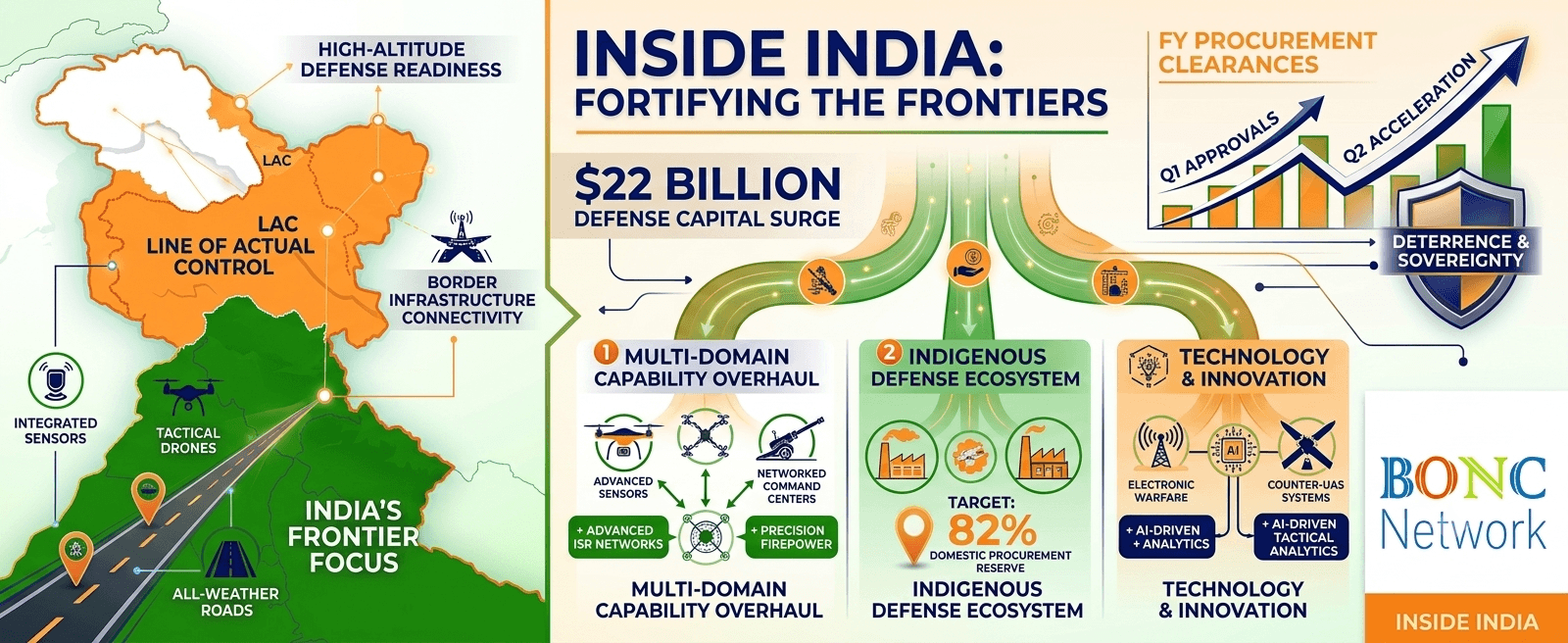
India’s Strategic $22 Billion Defense Modernization Surge
In an assertive push to safeguard national sovereignty, enhance multi-domain deterrence capabilities, and systematically reshape the regional balance of power, New Delhi has granted in-principle administrative approval for a massive ₹2.12 trillion ($22.27 billion) military spending blueprint . This major financial outlay comes at a critical juncture as continuous strategic requirements along the 3,488-kilometer Line of Actual Control (LAC) with China necessitate high-altitude defense readiness, advanced technological integration, and high-velocity battle-space awareness. Rather than relying purely on legacy force deployments, India’s latest defense modernization initiative signals a profound structural shift: integrating autonomous domain dominance, deep surveillance networks, localized defense-industrial manufacturing, and rapid-response tactical infrastructure across key border sectors. Chaired by the Union Ministry of Defence under the Defence Acquisition Council (DAC), this move accords Acceptance of Necessity (AoN) to a spectrum of cutting-edge land, air, and maritime defense platforms. Key Strategic Pillars Driving the $22 Billion Capital Deployment Multi-Domain Capability Overhaul: Directs capital across high-altitude artillery systems, autonomous counter-drone shields, long-range loitering munitions, and specialized naval electronic countermeasures. Indigenous Sourcing Imperative: Targets an ambitious 82% domestic procurement reserve , channeling the vast majority of production mandates toward public sector defense units and domestic technology conglomerates. Accelerated Sanction Velocity: Pushes cumulative military procurement clearances past ₹3.70 trillion ($40+ billion) within a single fiscal year timeframe, reflecting unprecedented administrative agility in clearing defense hardware acquisitions. Asymmetric Technological Balance: Focuses heavily on network-centric warfare tools, real-time aerial sensor integration, counter-UAS platforms, and intelligent target acquisition to neutralize force-asymmetry challenges across rugged Himalayan geography. Detailed Data Breakdown and Fiscal Metrics The newly sanctioned budget framework builds upon India’s expanding national defense capital expenditure allocation. To understand the scale, velocity, and focus of this massive rollout, examine the foundational figures driving this authorization: Total DAC Clearance Approval: ₹2,12,000 Crore ($22.27 Billion USD) dedicated primarily to capital acquisition, advanced tech integration, and border hardware modernization. Cumulative Fiscal Approvals: ₹3,70,000 Crore cleared across recent administrative procurement cycles, marking one of the fastest capital sanction drives in modern Indian defense history. Global Procurement Standing: India accounts for approximately 8.2% of global major arms imports , making it the world’s second-largest defense importer—a posture New Delhi intends to systematically transform via localized procurement mandates. Domestic Defense Sector Allocation: Over ₹1,73,800 Crore (~$18.2 Billion) of the new outlay is reserved explicitly for Indian original equipment manufacturers (OEMs), defense technology innovators, and private engineering firms. Core Impact Areas: Modernization in Focus 1. High-Altitude Surveillance, Tactical UAVs, and Loitering Munitions A substantial portion of the approved capital explicitly targets aerial domain awareness and precision strike capability. Strategic acquisitions focus on long-range Unmanned Aerial Systems (UAS) capable of continuous, all-weather reconnaissance across high-altitude border regions including Eastern Ladakh, Sikkim, and Arunachal Pradesh. These platforms will operate alongside long-range kamikaze drone systems and Integrated Surveillance and Strike Systems, ensuring squad-level visibility coupled with instantaneous real-time strike capabilities. 2. Counter-Drone Shields and Air Defense Systems Recognizing the rapid proliferation of unmanned strike threats and drone swarms in modern theater warfare, New Delhi is deploying multi-layered air defense systems. Approvals cover Very Short-Range Air Defense Systems (VSHORADS) alongside Platform-Based Counter-Unmanned Aerial Systems (C-UAS). These systems combine electronic warfare jamming suites with kinetic interception capabilities to secure forward bases, logistical choke points, and tactical staging areas along sensitive border frontiers. 3. Precision Long-Range Firepower and Tactical Mobility High-altitude standoff experience along mountain corridors has underscored the vital importance of high-mobility heavy firepower. The procurement plan includes Self-Propelled Tracked Gun Systems, High Mobility Vehicles (HMVs) for troop and supply transit across rugged terrain, Gun Shot Response Systems (GSRS) for instantaneous counter-battery detection, and specialized Light Multi-Role Helicopters (LMRH) tailored for high-altitude vertical insertion. 4. Naval Dominance and Maritime Security While land and air boundaries require immediate reinforcement, India continues to secure its maritime flank across the Indian Ocean Region (IOR). The Navy receives capital allocations for Active Offboard Decoy Systems (AODS) and major naval defense platforms, protecting carrier strike groups and surface assets against anti-ship missile threats and submarine tracking. 5. Tactical Weather Intelligence and Border Infrastructure Support Modern high-altitude defense warfare relies on accurate environmental data. The Air Force segment of the capital package incorporates Mobile X-Band Doppler Weather Radars, enabling precision flight planning, artillery trajectory calculations, and missile guidance under dynamic Himalayan atmospheric conditions. Industrial Strategy: Local Manufacturing vs. Global Technology Fusion India’s defense modernization strategy relies on a balanced dual-track model. Under the Make in India and Atmanirbhar Bharat policies, domestic manufacturing receives priority allocation, fostering an ecosystem of domestic defense suppliers. Concurrently, the rapid evolution of modern defense hardware encourages global technology partnerships. International aerospace and defense contractors are engaging in technology transfers, joint design ventures, and co-production agreements covering specialized optics, radar sensors, micro-electronics, and jet propulsion systems. Geopolitical Outlook and Regional Deterrence New Delhi’s approval of $22 billion in military procurement reinforces a long-term strategic principle: border stability is fundamentally linked to unshakeable defensive strength. By directing capital into high-tech ISR, autonomous drone networks, air defense coverage, and high-altitude mobility, India reinforces its operational posture along its northern borders. As these capital clearances transition into signed production contracts and active deployments over the coming quarters, the Indian Armed Forces are set to gain greater technological autonomy, higher battlefield agility, and resilient multi-theater readiness. Team BONC Network October 26, 2026
#IndiaDefense#DefenseModernization#IndianArmedForces
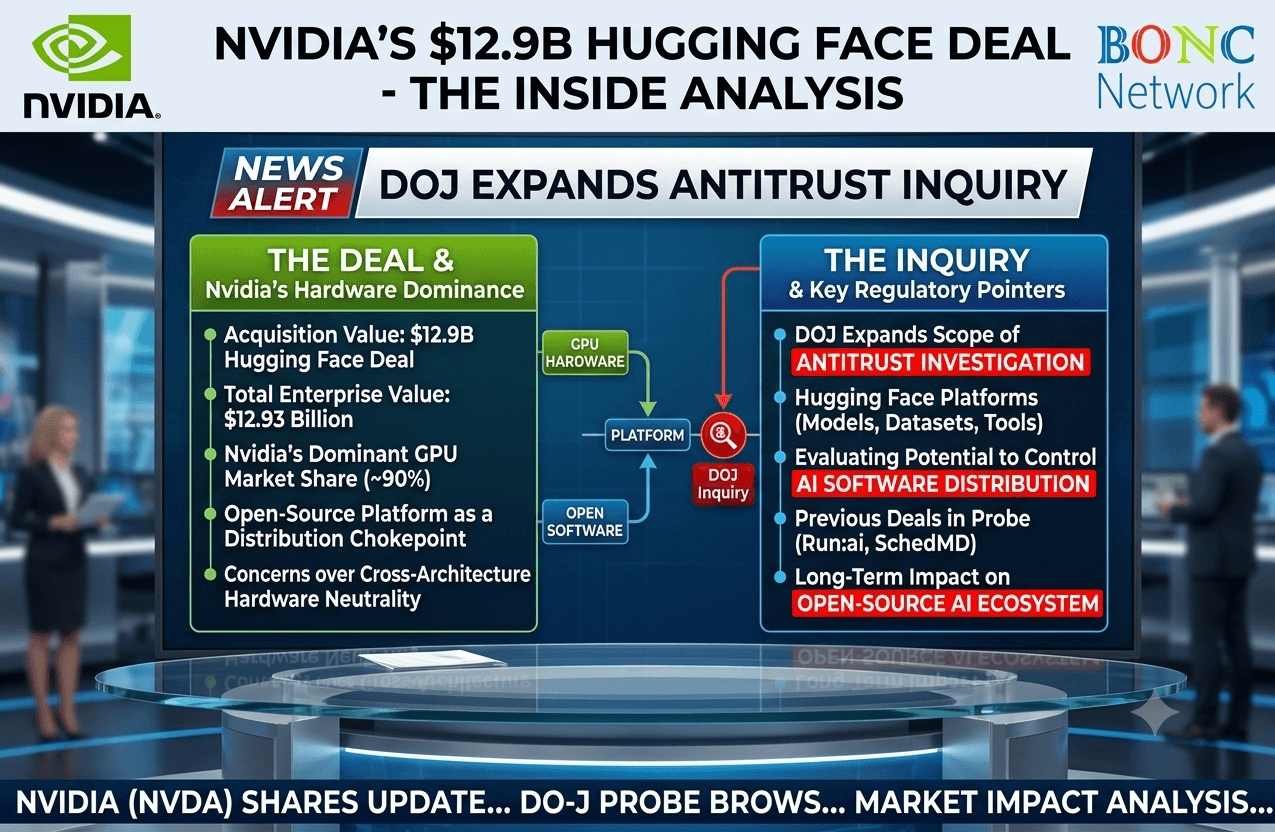
Industry Report
Nvidia’s $12.9B Hugging Face Deal - DOJ Expands Antitrust Inquiry
Executive Summary Transaction Value: $12.93 billion total transaction value, comprising approximately $11.9 billion in equity/cash value and a $1 billion operational retention fund. Core Investigation Target: The U.S. Department of Justice (DOJ) is investigating whether acquiring the dominant open-source repository gives a single hardware manufacturer total control over the primary distribution pipeline for artificial intelligence software. Broader Regulatory Probe: The Hugging Face acquisition has been formally tied into a multi-year antitrust investigation into semiconductor supply chain dominance, which also targets previous transactions including SchedMD ($2025$), Run:ai, and talent/licensing arrangements with Groq ($20 billion aggregate framework). Target Completion: The acquisition is projected to close in the first half of 2027 , pending antitrust approvals. Federal antitrust regulators at the U.S. Department of Justice have formally expanded an active, multi-pronged anti-monopoly probe into the high-performance computing hardware sector, focusing heavily on Nvidia’s definitive $12.93 billion agreement to acquire Hugging Face. The regulatory scrutiny focuses on platform neutrality, open access, and software distribution across global AI infrastructure. Key Scrutiny Vectors Under Inquiry Control of AI Distribution Hubs: Antitrust regulators are examining whether acquiring the world's largest open-source hub—hosting millions of datasets, open-weight models, and developer tools—creates a single chokehold over developer software distribution networks. Cross-Architecture Hardware Neutrality: Regulatory officials are questioning whether post-acquisition software optimizations could give proprietary accelerator processing units unfair technical advantages over competing processing chips or alternative cloud platforms. Pattern of Infrastructure Consolidation: The DOJ inquiry incorporates the Hugging Face deal into a broader review of hardware and software acquisitions, including supercomputing workload management tool SchedMD, efficiency software creator Run:ai, and high-value technology licensing/hiring deals with Groq. Industry Impact & Platform Guarantees In response to federal inquiries, executive leadership has maintained that Hugging Face will remain an open, platform-neutral hub supporting third-party hardware architectures, competing cloud networks, and open frameworks. While no formal enforcement action or injunction has been filed, regulators continue to solicit feedback from competing hardware developers and cloud providers to determine if platform ownership threatens market competition across the digital supply chain. Industry Impact Analysis: Developers & Cloud Infrastructure The Department of Justice’s probe into Nvidia’s $12.93 billion acquisition of Hugging Face highlights structural shifts across the broader software and hardware supply chains. Below is an examination of how this inquiry and potential acquisition directly affect open-source developers and third-party cloud infrastructure providers. Impact on Open-Source AI Developers Neutrality and Platform Independence: Hugging Face acts as the central hub for open-weight models, hosting over millions of shared datasets, model weights, and application spaces. Developers rely on its vendor-agnostic foundation. The primary concern among open-source builders is whether default optimization layers will subtly favor CUDA-native acceleration over open frameworks. Developer Workflow Integration: Nvidia’s integration could streamline deployment pipelines by embedding specialized libraries directly into standard Hugging Face workflows. While this improves performance out-of-the-box for standard compute setups, developers using non-standard or custom accelerator architectures fear increased integration friction. Preservation of Open Access: Regulators are examining whether free-tier hosting, open model repositories, and public spaces will remain fully subsidized or shift toward monetized, hardware-bound enterprise features over time. Impact on Third-Party Cloud Providers Hyperscaler Competition: Major cloud platforms—such as Amazon Web Services, Google Cloud, and Microsoft Azure—rely heavily on Hugging Face hosted container instances. Ownership by a single hardware manufacturer raises strategic questions about compute-tier neutrality and direct cloud partnership dynamics. Alternative Hardware Providers: Emergent processing unit manufacturers and custom silicon designers face potential distribution bottlenecks if model optimization presets default to established proprietary chip architecture. Deployment Portability: Enterprise cloud architects are increasingly evaluating containerized, multi-repository strategies to prevent vendor lock-in and ensure models can be seamlessly migrated across diverse infrastructure environments. Long-Term Market Implications Federal regulatory oversight serves as a stabilizing force to ensure that commitments to vendor-neutral distribution, open model hosting, and cross-architecture interoperability are enforced throughout the multi-year approval process.
#AI#Antitrust#Semiconductors