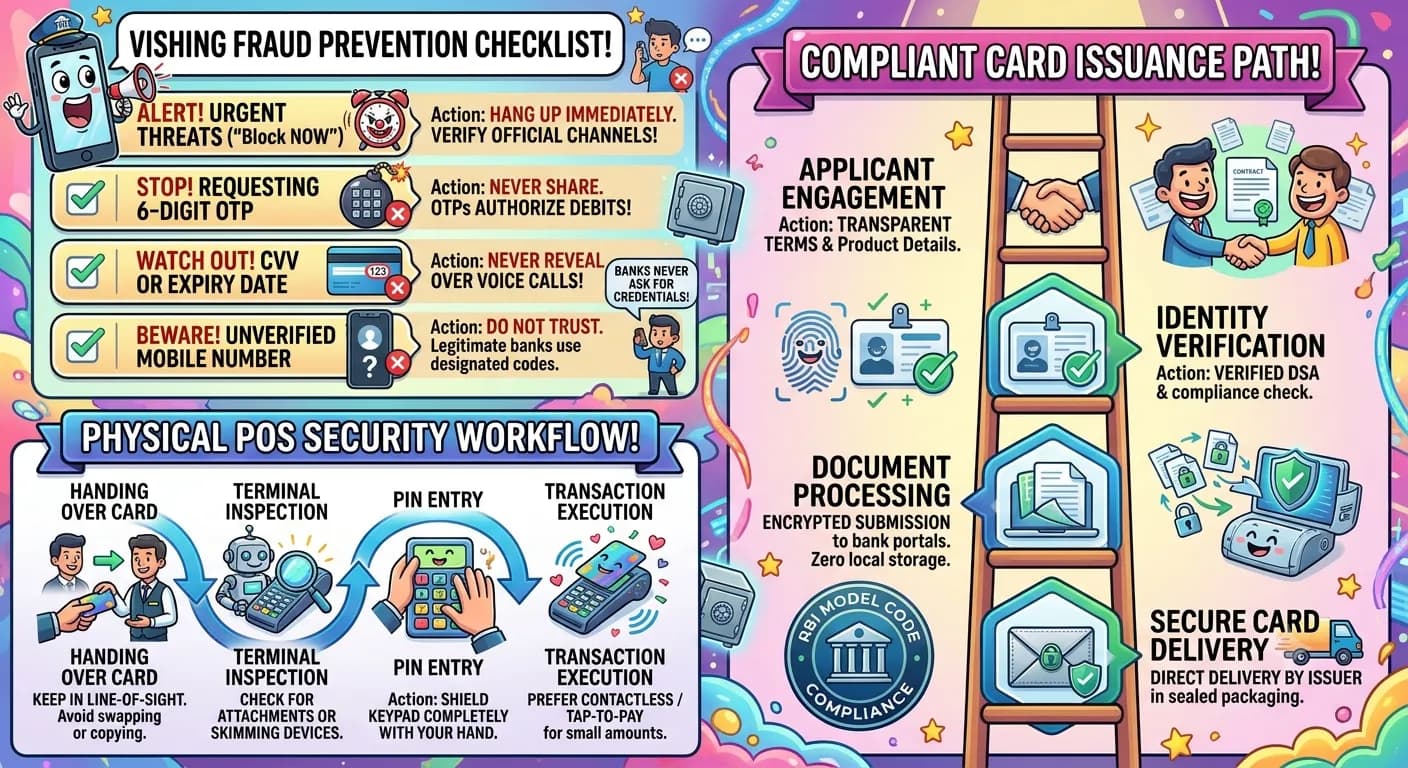
The rapid digitalization of global commerce has fundamentally altered how capital moves. However, this friction-free convenience has also catalyzed a sophisticated, multi-billion-dollar cybercrime industry. Modern payment fraud is no longer limited to crude card theft; it relies on high-tech skimming, deepfake voice cloning, and engineered psychological manipulation across voice, physical, and digital channels.
Maintaining total vigilance is no longer optional—it is a critical necessity for preserving personal financial security and organizational credit lines.
Critical Data Takeaways
The Impersonation Crisis: Over 70% of digital payment frauds in India stem from social engineering—specifically voice phishing (vishing) where scammers exploit fear, urgency, or authority to extract One-Time Passwords (OTPs), PINs, or card CVVs.
Surging Fraud Values: Reserve Bank of India (RBI) annual financial data indicates that while overall volume incident rates fluctuate due to tighter two-factor authentication (2FA), total financial fraud exposure exceeds ₹48,000 Crore, emphasizing that targeted high-value card compromises are becoming more severe.
The Account Takeover Shift: Unlike Western markets where stolen card data is traded on darknet forums for direct e-commerce checkout, local cybercriminals focus on Account Takeover (ATO)—using deceptive tele-calling to gain full mobile banking app control.
Channel-by-Channel Prevention & Precautionary Exercises
1. Vigilance on Phone Calls (Vishing, Deepfakes & Fraud Calls)
Scammers frequently impersonate bank fraud managers, credit officers, or telecom executives claiming an urgent verification is required to halt suspicious transactions, increase credit limits, or prevent account blocking.
The Absolute Zero-Trust Rule: No legitimate bank, card network (Visa, Mastercard, RuPay), or authorized channel partner will EVER ask for your 3-digit CVV, 4-digit ATM PIN, net-banking password, or OTP over a phone call.
Verify Telecom Identifiers: Under telecom regulatory mandates, official banking calls utilize registered commercial headers (such as the
1600prefix). Treat calls from standard 10-digit mobile numbers claiming to represent bank compliance teams as hostile.Enforce a 5-Minute Pause: Scammers rely on panic to bypass critical thinking. Always disconnect, wait two minutes, and dial the customer service hotline printed on the physical back of your credit card.
2. Safeguards During Physical Payments (POS Terminals & Dining)
Physical point-of-sale (POS) environments remain vulnerable to hardware skimming, card-swapping, and shoulder surfing.
Line-of-Sight Enforcement: At restaurants, petrol pumps, or retail counters, never let your card leave your vision. Demand that staff bring the portable POS terminal to your table, or walk directly to the billing desk.
Physical Pad Shielding: Always cover the keypad with your non-dominant hand when typing your 4-digit PIN. Overhead micro-cameras installed at compromised ATMs or billing counters can capture exposed PIN entries.
Leverage NFC Contactless Tap: Use Near Field Communication (NFC) Tap-to-Pay for transactions up to regulatory limits (e.g., ₹5,000). Contactless payments encrypt card data dynamically, bypassing physical magstripe readers where skimmers operate.
3. Sharing Card Details Over the Phone (Hotels, Bookings & Services)
Sharing card details over telephone lines carries severe exposure risks if the receiving agent's line or environment is unsecured.
Never Verbalize Security Codes: Never read your CVV or OTP aloud over an open line.
Demand Encrypted Payment Gateways: Instruct the merchant to transmit an official IVR (Interactive Voice Response) prompt or a verified payment gateway link via official SMS/Email channels.
Deploy Single-Use Virtual Cards: Utilize your bank’s mobile application to generate temporary, single-use virtual cards set to the exact transaction amount. Once processed, the virtual card auto-destructs, neutralizing subsequent theft attempts.
4. Precautions When Applying for Credit Cards Over the Phone
Applying for new credit cards through tele-sales channels requires strict operational checks to avoid identity theft and fake agent schemes.
Verify Direct Sales Associate (DSA) Accreditation: Confirm that the calling agency holds an active, verified DSA agreement with the issuing bank. Ask for official agent registration IDs and demand written communication sent from an official bank or accredited partner email domain.
Zero Upfront Fees: Authorized channels and issuing banks do not collect cash, upfront processing fees, or personal UPI transfers during credit card sourcing. Any demand for payment during an application is an immediate fraud signal.
Watermark All Application Copies: When transmitting KYC identity documents (PAN, Aadhaar, bank statements), overlay a prominent physical or digital watermark:
"Submitted exclusively for [Bank Name] Credit Card Application - [Date]"
The Right Path: Compliant DSA Operations & Sourcing Standards
Navigating credit card applications securely requires sourcing through accredited, fully compliant Direct Sales Associate (DSA) channels. Established partners protect consumer privacy through structured operational frameworks:
Institutional Governance & Compliance: Accredited DSA channels operate under formal corporate empanelment agreements with major national banks, adhering strictly to RBI guidelines, TRAI telemarketer registration standards, and bank Model Codes of Conduct.
Encrypted Sourcing Architecture: Compliant distribution partners submit applicant KYC data directly into secured bank application programming interfaces (APIs). Data is not stored locally on personal devices or unsecured drives, mitigating data breach risks.
No Sensitivity Creep: Accredited onboarding executives adhere strictly to compliance protocols—never requesting operational passwords, PINs, CVVs, or transaction OTPs during application processing.
Immediate Emergency Protocol for Suspected Fraud
If you suspect your credit card credentials have been compromised or identify unauthorized billing entries:
Instant Freeze via Banking App: Open your bank’s official mobile app and toggle the card setting to "Disabled" or "Frozen" instantly.
Dial Emergency Helpline / 1930: Report the unauthorized transaction to your bank's 24/7 fraud helpline immediately. In India, register the cybercrime incident at cybercrime.gov.in or call the National Cyber Crime Helpline at 1930.
Invoke the 3-Day Zero Liability Rule: Under RBI mandate guidelines, reporting an unauthorized electronic payment transaction within 3 working days protects the cardholder from financial liability, ensuring full reimbursement from the issuing bank.
Summary Checklist for Card Safety
Never reveal your CVV, PIN, or OTP on voice calls.
Never let your card out of sight during physical store or dining payments.
Always verify DSA credentials and watermark identity proofs when applying for new credit lines.
Always freeze your card immediately via mobile banking if an anomaly occurs.