How B2B Lead Generation Is Changing the Way Manufacturers Find Business Buyers
By BONC Editorial Team • Published on 09 Oct 2026

How B2B Lead Generation Is Changing the Way
Manufacturers Find Business Buyers
Introduction
Finding the right business buyers has always been an important part of manufacturing. Whether a company produces industrial machinery, electrical equipment, packaging materials, furniture, textiles, chemicals, automotive components or consumer products, its growth depends on reaching businesses that need its products.
However, finding potential buyers is not always easy. Manufacturers may have excellent products, competitive pricing and strong production capabilities but still struggle to reach the right audience. Traditional sales methods often depend on existing contacts, trade fairs, distributor networks, referrals and direct sales teams. Although these methods continue to play an important role, they may limit a manufacturer's ability to discover new business opportunities across different regions and industries.
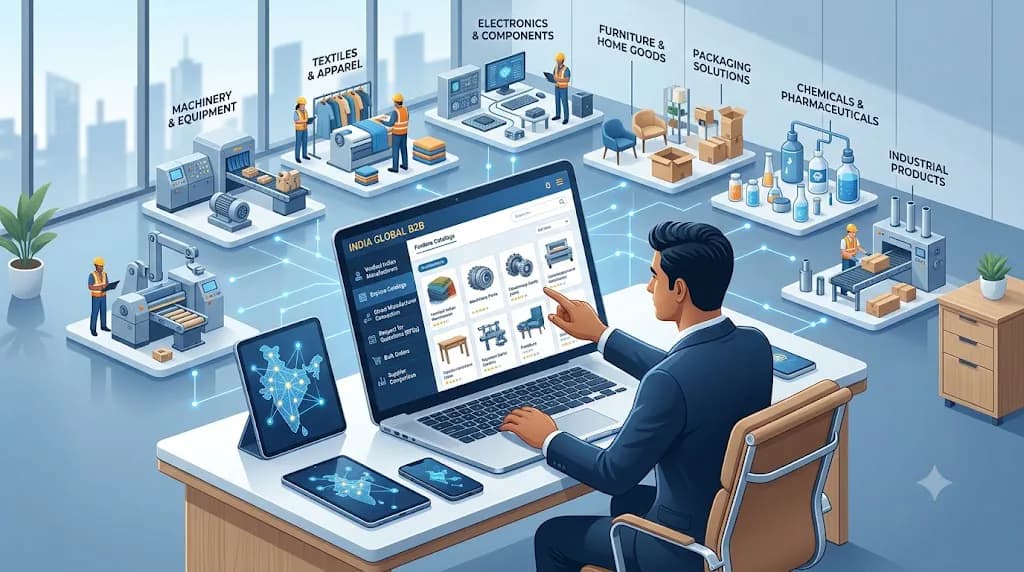
The growth of digital business platforms is changing this process. B2B lead generation is helping manufacturers move from limited buyer networks toward more structured, digital methods of business discovery.
Instead of depending entirely on traditional outreach, manufacturers can now use digital platforms, product listings, business profiles, targeted marketing and inquiry management to improve their visibility among potential buyers.
This shift is particularly important for small and medium-sized manufacturers that want to expand their reach without building a large sales infrastructure.
Modern B2B lead generation is not simply about collecting contact details. It is about identifying relevant business prospects, understanding buyer requirements, initiating meaningful conversations and developing opportunities that can eventually become long-term commercial relationships.
Understanding B2B Lead Generation in Manufacturing
B2B lead generation is the process of identifying and attracting businesses that may be interested in purchasing a company's products or services.
In manufacturing, a lead may be a distributor searching for a new product line, a wholesaler looking for bulk supplies, a retailer exploring new manufacturers, a procurement manager seeking industrial components or another business searching for a reliable production partner.
These potential buyers may have different purchasing requirements, order quantities, delivery expectations and commercial objectives.
For manufacturers, lead generation creates a structured way to identify these opportunities instead of waiting for buyers to discover the company through existing contacts.
What Makes a B2B Lead Valuable?
Not every inquiry represents a genuine sales opportunity. A business may request product information without having an immediate purchasing requirement, while another may already be comparing manufacturers for a planned order.
A useful lead generally has some alignment with the manufacturer's products, capabilities and target market.
Manufacturers can assess lead quality by considering:
- Whether the buyer needs the products being offered
- Whether the buyer operates in a relevant industry
- Whether the expected order quantity is suitable
- Whether the buyer has a clear purchasing requirement
- Whether the manufacturer can meet the buyer's specifications
- Whether the buyer's timeline and commercial expectations are realistic
This approach helps manufacturers focus their time on relevant opportunities rather than treating every inquiry equally.
Why Traditional Buyer Discovery Can Be Challenging
Traditional buyer discovery often depends on personal networks, field sales, industry references, telephone outreach and trade events.
These methods can be effective, especially when relationships are established. However, they can also create limitations.
Dependence on Existing Networks
Manufacturers often receive business through repeat customers and established distributors. While these relationships are valuable, depending on them exclusively can restrict access to new buyers.
A company may continue selling to the same customer group even when other industries or regions could offer additional opportunities.
Limited Geographic Reach
Manufacturers operating primarily through local sales teams may find it difficult to identify buyers across distant markets.
Expanding into new locations may require additional travel, representatives, research and sales expenditure.
Digital buyer discovery can help manufacturers explore opportunities beyond their immediate geographic area.
High Time and Resource Requirements
Traditional sales activities require time for prospect research, calls, meetings, follow-ups and relationship management.
For smaller manufacturers, these activities can compete with production, quality control and operational responsibilities.
Digital channels can support initial discovery and make some stages of buyer research more efficient.
Difficulty Identifying Relevant Buyers
A large contact list does not automatically produce strong sales opportunities.
Manufacturers need to identify businesses that actually require their products and have suitable purchasing needs.
This is where structured B2B lead generation becomes important.
How Digital B2B Lead Generation Is Changing Manufacturing Sales
Digital lead generation is changing how manufacturers become visible, identify prospects and manage initial business conversations.
Rather than relying on a single channel, manufacturers can combine product visibility, online business profiles, search, digital networking, advertising and inquiry management.
Manufacturers Can Reach Buyers Beyond Local Markets
A manufacturer no longer has to limit its initial buyer search to nearby businesses.
Digital platforms can help manufacturers showcase products to potential buyers across different cities and regions. Depending on the platform and marketing approach, this can create opportunities to connect with distributors, wholesalers, retailers, industrial buyers and procurement teams.
For example, a packaging manufacturer serving one city may want to reach businesses in other states. A digital presence can help those buyers discover its product range and initiate inquiries without requiring an immediate in-person meeting.
Product Listings Can Support Buyer Discovery
Buyers often begin their search with a specific product requirement.
They may be looking for a particular type of machinery, packaging material, electrical component, textile product or industrial supply.
A detailed digital product listing can help them understand what a manufacturer offers.
Useful listing information includes product names, descriptions, specifications, applications, available variations and relevant business details.
Accurate product information can improve the relevance of inquiries and help potential buyers decide whether to contact the manufacturer.
Business Profiles Improve Initial Visibility
A business profile gives potential buyers an initial view of a manufacturer's activities.
Depending on the information provided, the profile may explain the company's product categories, industry focus, capabilities and business background.
A complete and accurate profile can make it easier for buyers to understand whether the manufacturer is relevant to their requirements.
It does not replace independent verification, but it can support the initial research process.
B2B Lead Generation Helps Manufacturers Discover Different Buyer Segments
Manufacturers rarely serve only one type of buyer. Depending on their products, they may have opportunities across multiple business segments.
Digital lead generation can help manufacturers explore these segments more systematically.
Distributors and Wholesalers
Distributors and wholesalers may be interested in purchasing products in bulk and supplying them to other businesses or retail channels.
Manufacturers seeking distribution partnerships should clearly communicate product availability, order quantities, commercial terms and the types of markets they can serve.
Retailers and Resellers
Retailers and resellers may look for manufacturers that offer suitable products, consistent quality and dependable supply.
For these buyers, product presentation, packaging, pricing structure and the ability to replenish stock can be important considerations.
Industrial and Commercial Buyers
Industrial buyers may require components, machinery, raw materials, tools, equipment or specialized products for their operations.
Their requirements can be highly specific, making accurate product specifications and clear technical communication especially important.
Procurement Teams
Procurement professionals may compare several suppliers before making a purchasing decision.
Manufacturers can improve their chances of being considered by providing relevant information, responding promptly and explaining how their capabilities match the buyer's requirements.
The Role of B2B Lead Generation Platforms in Buyer Discovery
A B2B lead generation platform can bring manufacturers and potential business buyers into a shared digital environment.
Depending on the platform's features, manufacturers may be able to create business profiles, showcase products, explore business networks, promote offerings and receive inquiries.
For buyers, these environments can provide ways to discover products and businesses beyond their existing supplier contacts.
The value of a platform depends on its audience, functionality, listing quality and how effectively businesses manage the opportunities they receive.
Improving Product and Business Visibility
Digital visibility gives manufacturers another way to present their products to potential customers.
A business that is difficult to discover online may miss opportunities from buyers who begin their sourcing research digitally.
A relevant product listing and complete business profile can help manufacturers become more discoverable.
Supporting New Business Connections
Digital business networking can introduce manufacturers to businesses outside their existing relationships.
A connection does not automatically become a sale, but it can create an opportunity for a relevant conversation.
Manufacturers can then evaluate the buyer's requirements, explain their capabilities and determine whether there is a suitable commercial fit.
Helping Manufacturers Explore New Markets
Manufacturers may want to enter a new city, serve another industry or develop relationships with different distribution partners.
Digital discovery can support early market exploration by helping them identify potential businesses and understand the types of products those businesses seek.
Further research is still needed to evaluate demand, competition, logistics and commercial feasibility.
How Manufacturers Can Generate Better Quality B2B Leads
Generating more inquiries is not necessarily the same as generating better leads.
A manufacturer receiving many unrelated inquiries may spend considerable time responding without creating meaningful sales opportunities.
The objective should be to attract buyers whose needs align with the manufacturer's products and capabilities.
Define the Ideal Buyer
Manufacturers should begin by understanding which types of businesses are most likely to purchase their products.
An ideal buyer profile can include:
- Industry or business category
- Buyer type
- Geographic market
- Expected order volume
- Product application
- Purchasing frequency
- Required specifications
- Typical commercial requirements
For example, a manufacturer of industrial pumps may target industrial distributors, infrastructure contractors, equipment suppliers and businesses that use pumps in their operations.
A clearer buyer profile makes it easier to select suitable marketing channels and prepare relevant product information.
Improve Product Listing Quality
Product listings should provide enough information to help buyers determine whether the product meets their requirements.
Manufacturers should include accurate names, specifications, descriptions, applications, product images and relevant variations wherever appropriate.
Incomplete listings can create confusion and lead to unnecessary back-and-forth communication.
Use Clear Business Communication
Potential buyers often compare multiple manufacturers. Clear communication can help a company stand out during the initial evaluation process.
Manufacturers should respond to inquiries professionally, confirm the requirement and provide relevant information about availability, specifications and next steps.
A prompt response is useful, but accuracy and clarity are equally important.
Use Requirement-Based Inquiries to Identify Serious Buyers
A buyer inquiry becomes more useful when it includes specific purchasing information.
Manufacturers can ask relevant follow-up questions to understand the requirement.
These may include:
- Which product or specification is required?
- What quantity is being considered?
- Is the requirement immediate or planned for the future?
- Where should the order be delivered?
- Are there any customization requirements?
- What is the expected delivery timeline?
The questions should suit the product category and the stage of the conversation.
By understanding the requirement before preparing a quotation, manufacturers can avoid spending too much time on unsuitable opportunities.
Digital Advertising Can Expand Manufacturer Reach
Digital advertising can help manufacturers promote selected products, business capabilities or product categories to a broader audience.
However, advertising is most useful when it has a clear objective.
A manufacturer might want to attract distributors for a new product line, introduce a product to a different region or generate inquiries for a specific industrial category.
Before starting a campaign, manufacturers should define the intended buyer, relevant product, target geography and desired action.
Match Advertising With the Buyer Journey
Some buyers are still researching available products. Others are comparing quotations, while some are ready to contact suppliers.
Advertising and product information should support the buyer's stage.
For example, a product-awareness campaign may introduce a new product category, while a more focused campaign may encourage interested businesses to submit inquiries.
Measure Results Beyond Clicks
Clicks and views can indicate visibility, but they do not necessarily demonstrate business value.
Manufacturers should also evaluate inquiry relevance, qualified prospects, quotation requests, follow-up conversations and eventual sales outcomes.
This provides a more useful understanding of whether a campaign is contributing to business development.
How BONC Network Can Support Digital Business Discovery
BONC Network is a B2B networking platform that can form part of a manufacturer's digital business discovery strategy.
For manufacturers, digital business networking can provide another channel to showcase products, present business information and connect with potential buyers.
The broader process involves making the business discoverable, providing relevant product information and creating opportunities for meaningful inquiries.
BONC Network's business and product discovery environment can support this early stage of the buyer journey. Manufacturers should still evaluate which platform activities and promotional options are appropriate for their target audience and objectives.
The key is to use digital networking as part of a wider business development strategy rather than expecting a platform listing alone to guarantee leads or sales.
Product Promotion and Business Visibility
Manufacturers introducing new products or expanding into different markets may need to improve the visibility of their offerings.
Digital product promotion can help present relevant products to a broader business audience.
The effectiveness of promotion depends on factors such as the product category, buyer relevance, listing quality, targeting and follow-up.
Building Connections Beyond Existing Networks
A digital B2B environment can help manufacturers explore business connections beyond their established customer base.
These connections may lead to new inquiries, potential distribution relationships or future sourcing discussions.
Manufacturers should evaluate each opportunity based on actual requirements and business suitability.
Turn Business Inquiries Into Sales Opportunities
A lead is only the beginning of the sales process.
After receiving an inquiry, manufacturers need a consistent approach for responding, qualifying the buyer and determining the next step.
Respond With Relevant Information
The initial response should address the buyer's actual question.
Depending on the inquiry, this may involve product specifications, availability, minimum order quantity, customization options or a request for additional details.
A relevant response helps move the conversation forward.
Prepare Suitable Quotations
A quotation should reflect the buyer's requirements and clearly explain the applicable commercial terms.
Depending on the product, it may include unit pricing, quantity, taxes, packaging, delivery, lead time, payment terms and quotation validity.
Accurate quotations help both parties understand the proposed transaction.
Follow Up Professionally
Some buyers need time to compare suppliers, secure internal approvals or finalize their purchasing plans.
A professional follow-up can help maintain the conversation without creating unnecessary pressure.
Manufacturers should record important discussions and follow up when there is a reasonable business purpose.
Lead Management Helps Manufacturers Avoid Missed Opportunities
As digital inquiries increase, manufacturers may find it difficult to track conversations through emails, phone calls, messaging applications and different platforms.
A structured lead management process can reduce this problem.
Manufacturers can record:
- Buyer or company name
- Product requirement
- Inquiry date
- Expected quantity
- Quotation status
- Follow-up date
- Current sales stage
- Final outcome
A spreadsheet or suitable customer relationship management system can help businesses organize this information.
The most appropriate solution depends on the size of the business, number of inquiries and complexity of the sales process.
Measure B2B Lead Generation Performance
Manufacturers should regularly review whether their lead generation activities are producing useful business opportunities.
Relevant indicators may include:
|
Metric
|
What It Helps Measure
|
| --- | --- |
|
Qualified Leads
|
How many inquiries match the target buyer profile
|
|
Response Time
|
How quickly the sales team responds
|
|
Quotation Rate
|
How often relevant inquiries lead to quotations
|
|
Conversion Rate
|
How many qualified opportunities become customers
|
|
Lead Source
|
Which channels generate useful inquiries
|
|
Cost per Qualified Lead
|
How much is spent to attract a qualified prospect
|
|
Repeat Business
|
Whether new customers place additional orders
|
These indicators can help manufacturers identify which channels are worth continuing and where the sales process needs improvement.
Common B2B Lead Generation Mistakes Manufacturers Should Avoid
Digital lead generation can produce limited results when businesses use it without a clear strategy.
Focusing Only on Lead Quantity
A high number of inquiries is not always valuable if most prospects are unrelated to the product.
Keeping Product Information Incomplete
Buyers need accurate information to assess whether a product meets their requirements.
Ignoring Follow-Ups
Relevant prospects can lose interest when inquiries are left unanswered or follow-ups are inconsistent.
Using the Same Message for Every Buyer
Different buyer types have different priorities. A distributor may focus on margins and supply availability, while an industrial buyer may prioritize technical specifications and reliability.
Failing to Track Results
Without records, manufacturers may struggle to identify which marketing activities produce useful business outcomes.
Expecting Immediate Sales
Lead generation creates opportunities, but B2B purchasing decisions can involve research, comparisons, negotiations and internal approvals.
B2B Lead Generation for MSMEs and Small Manufacturers
Small and medium-sized manufacturers may not have large marketing teams or extensive sales networks.
Digital lead generation can offer additional ways to reach buyers, provided the business uses its resources carefully.
MSMEs can begin with a practical approach:
- Create complete business and product profiles.
- Identify the most relevant buyer categories.
- Select a manageable number of marketing channels.
- Respond consistently to inquiries.
- Record lead sources and outcomes.
- Review which activities produce qualified opportunities.
- Improve listings and messaging based on buyer questions.
A focused approach can be more useful than spreading limited resources across too many channels.
How Manufacturers Can Build a Long-Term Buyer Network
Successful lead generation should not end when a buyer places the first order.
Manufacturers can develop stronger buyer networks by maintaining communication, delivering consistently and understanding customer requirements.
Maintain Relationships With Existing Buyers
Repeat customers can provide stable business opportunities when the relationship remains commercially valuable for both parties.
Manufacturers should communicate about product changes, availability, new offerings and relevant business updates.
Explore Related Buyer Segments
A manufacturer serving one buyer segment may have capabilities relevant to other industries.
For example, a packaging manufacturer may serve food businesses, cosmetics companies, pharmaceutical businesses or industrial suppliers, depending on the packaging products it produces and the applicable requirements.
Exploring related segments can help manufacturers diversify their customer base.
Encourage Long-Term Business Partnerships
Trust, reliable delivery, consistent quality and transparent communication can help convert a new buyer into a long-term customer.
These relationships may also lead to referrals and new business opportunities.
The Future of B2B Lead Generation in Manufacturing
B2B lead generation is likely to continue evolving as more business discovery and sales activities move online.
Digital business profiles, product search, online networking, advertising and inquiry management are already giving manufacturers additional ways to reach potential buyers.
Manufacturers may increasingly combine several channels instead of relying on a single source of leads.
At the same time, effective lead generation will continue to depend on basic business fundamentals: relevant products, accurate information, suitable pricing, reliable supply and professional communication.
Technology can improve discovery and organization, but it cannot replace the need to understand buyers and deliver value.
Manufacturers that combine digital visibility with disciplined sales processes will be better positioned to evaluate opportunities and build sustainable buyer relationships.
Building a Smarter B2B Buyer Discovery Strategy
A practical buyer discovery strategy should connect marketing activity with the manufacturer's actual business objectives.
The process can begin with defining target buyers and preparing relevant product information. Manufacturers can then choose suitable digital channels, attract inquiries, qualify prospects, prepare quotations and monitor outcomes.
A simple framework is:
Define Target Buyers → Improve Product Visibility → Generate Inquiries → Qualify Leads → Share Quotations → Follow Up → Convert Opportunities → Build Relationships
This process provides a structured way to move from online discovery to meaningful commercial conversations.
Manufacturers should review the results regularly and refine their approach according to the quality of leads, conversion outcomes and business priorities.
Conclusion
B2B lead generation is changing how manufacturers find business buyers by expanding digital visibility, supporting product discovery and creating new ways to initiate business conversations.
Instead of depending exclusively on traditional networks, manufacturers can use digital B2B platforms, product listings, online promotion and structured inquiry management to explore new customer segments and geographic markets.
However, effective lead generation is about more than collecting inquiries. Manufacturers need to attract relevant prospects, understand buyer requirements, communicate clearly, provide suitable quotations and maintain consistent follow-ups.
A Business Networking Platform such as BONC Network can be part of this process by supporting digital business discovery and helping manufacturers present their products to potential business audiences.
Ultimately, manufacturers that combine digital discovery with strong product information, effective lead qualification and dependable customer relationships can create a more structured approach to business development.
B2B lead generation is no longer just about finding more buyers. It is about discovering the right buyers, creating relevant opportunities and turning business connections into long-term growth.