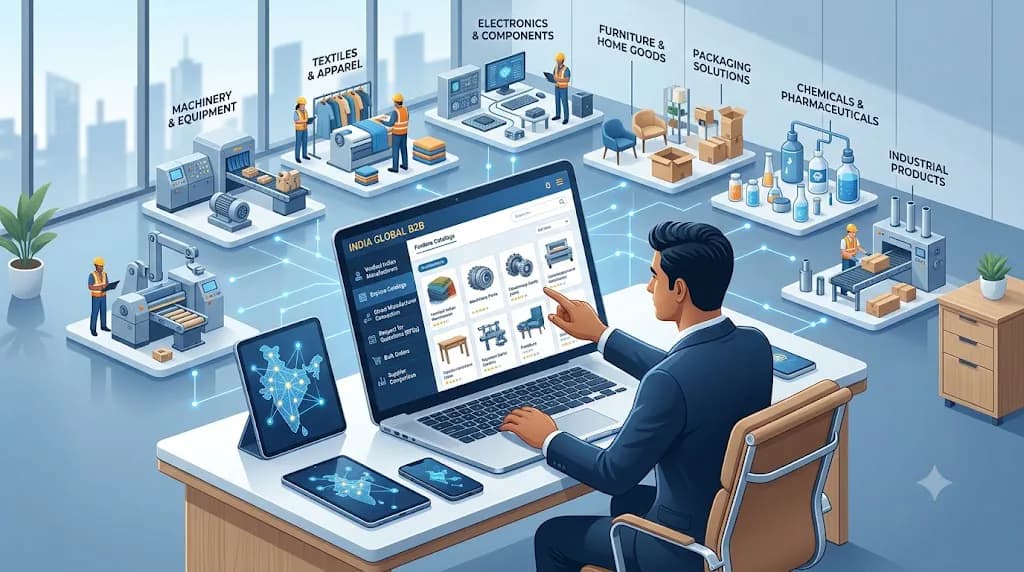
How Businesses Can Expand Their Vendor Network Across Different Indian Markets
By BONC Editorial Team • Published on 09 Oct 2026
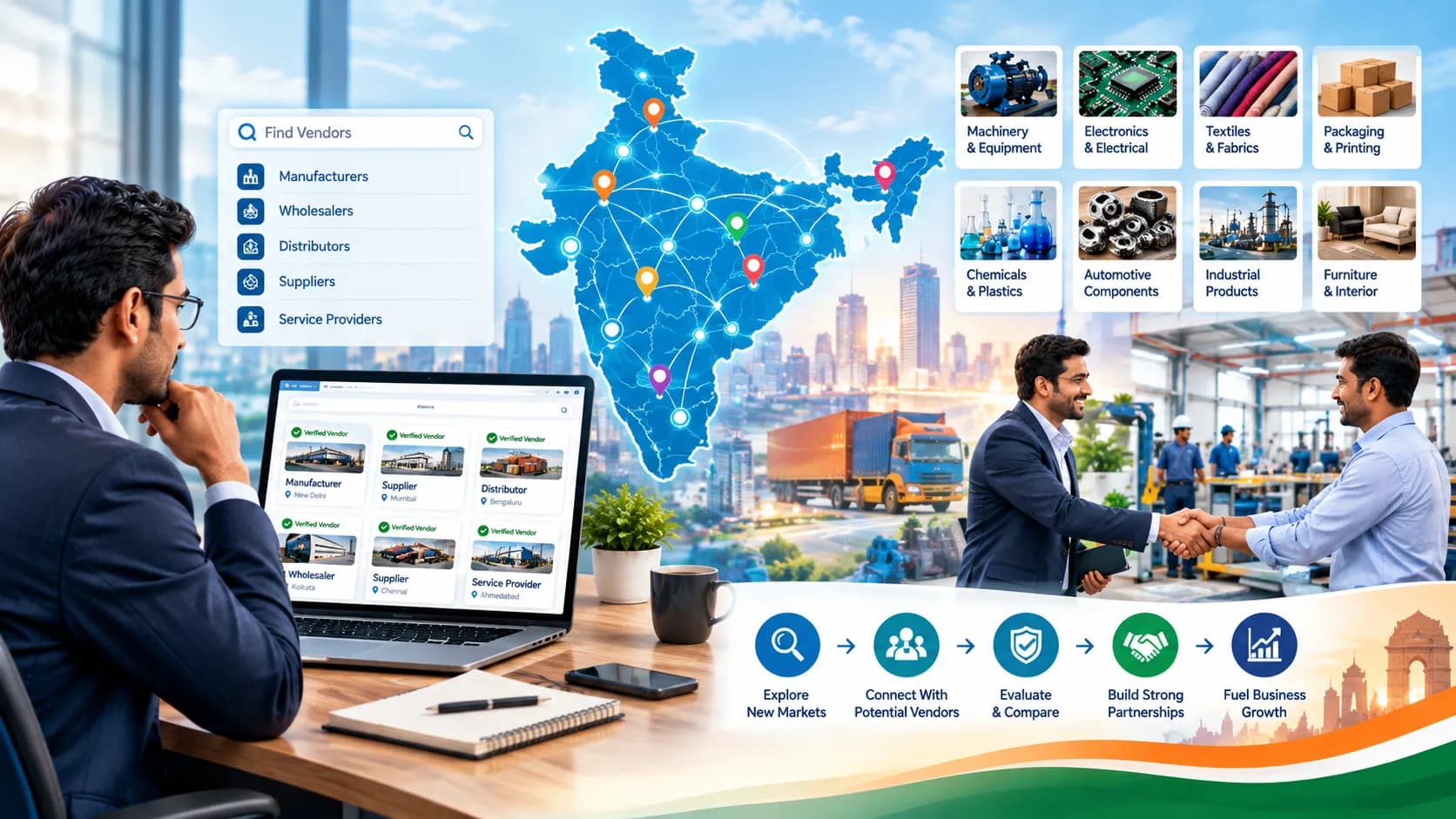
Introduction
Expanding a vendor network is an important step for businesses that want to improve sourcing, increase operational flexibility, enter new markets, and build long-term growth opportunities. Whether a company operates in manufacturing, retail, wholesale, distribution, construction, hospitality, or another industry, reliable vendors play a significant role in keeping business operations running smoothly.
India offers a diverse business environment with vendors, manufacturers, wholesalers, distributors, service providers, and specialized suppliers operating across different states and cities. Every market has its own commercial strengths, industry clusters, product availability, pricing structures, logistics requirements, and business practices. A vendor that works well for a company in one region may not necessarily be the most suitable choice when that company expands into another region.
For example, a retailer operating in one city may initially source products from a few local wholesalers. As the retailer expands into other cities, its requirements may change. It may need new vendors who can provide different product varieties, support bulk orders, meet delivery schedules, and offer competitive commercial terms. Depending entirely on the original vendor network could limit its ability to serve new customers effectively.
This is why businesses need a structured approach to vendor network expansion. Instead of searching for suppliers only when a requirement arises, companies can continuously discover vendors, compare their capabilities, assess their suitability, and develop relationships across different Indian markets.
Digital business networking platforms have made this process more accessible by helping businesses explore company profiles, product categories, and potential business connections beyond their immediate locations. Platforms such as BONC Network can support digital business discovery by giving businesses another channel to showcase their offerings and explore potential vendor and supplier connections.
However, successful vendor network expansion involves more than finding a large number of contacts. It requires selecting suitable vendors, verifying business information, evaluating operational capabilities, managing risks, and building relationships that support long-term business objectives.
Understanding Vendor Network Expansion
A vendor network is the group of businesses and service providers from which an organization purchases the products, materials, equipment, or services it needs to operate. Depending on the business model, this network may include manufacturers, distributors, wholesalers, local traders, packaging suppliers, logistics providers, maintenance companies, and professional service providers.
Vendor network expansion means increasing the number and range of suitable vendors available to a business across different locations, product categories, or operational requirements.
The objective is not simply to collect more vendor contacts. It is to build a dependable network that offers flexibility, product availability, competitive options, and access to new commercial opportunities.
Why a Wider Vendor Network Matters
A limited vendor network can create challenges when a business experiences increased demand, enters a new location, or needs products that its existing suppliers cannot provide. A broader network gives the business more options to consider when its requirements change.
For example, a furniture retailer may initially purchase products from manufacturers in one region. As the retailer expands, it may discover that other regions offer different furniture styles, materials, production capabilities, or delivery arrangements. Building relationships with vendors in multiple markets can help the retailer evaluate these alternatives.
A wider network can help businesses:
- Identify alternative sources for important products and materials.
- Compare prices, quality standards, and commercial terms.
- Discover vendors with specialized capabilities.
- Reduce dependence on a single supplier.
- Explore opportunities in new cities and states.
- Respond more effectively to changes in customer demand.
- Develop relationships with manufacturers and distributors.
- Improve continuity when an existing vendor faces disruptions.
The value of a vendor network ultimately depends on the suitability and reliability of its members rather than the total number of businesses included.
Why Indian Markets Require a Regional Vendor Strategy
India's business landscape is diverse. Different locations may have established strengths in particular industries, products, services, or manufacturing activities. Businesses expanding their vendor networks should therefore consider regional market characteristics instead of assuming that the same sourcing strategy will work everywhere.
Different Regions Offer Different Business Opportunities
Some locations are known for particular manufacturing clusters, while others have strong wholesale markets, specialized industrial suppliers, distribution networks, or service businesses.
For example, businesses may explore textile and garment suppliers in relevant textile clusters, engineering and machinery vendors in industrial areas, furniture and furnishing businesses in established furniture markets, and packaging suppliers in locations that support manufacturing and distribution.
These are starting points for research, not guarantees that every vendor in a region specializes in a particular category. Companies should evaluate actual vendor capabilities, current product availability, and commercial suitability before making sourcing decisions.
Local Market Knowledge Can Improve Vendor Selection
Business practices can vary across locations. Vendors may differ in minimum order quantities, production capacity, delivery arrangements, payment terms, documentation, and communication processes.
A vendor that offers attractive pricing may not be suitable if it cannot deliver consistently to the required destination. Similarly, a vendor with excellent product quality may not be practical for a business that needs frequent small orders but the vendor primarily handles large volumes.
Understanding local market conditions helps companies identify vendors that match their operational requirements.
Regional Expansion Can Improve Customer Responsiveness
Businesses that serve customers across multiple locations may benefit from identifying vendors closer to their customers, warehouses, factories, or distribution centers.
Depending on the product and business model, regional sourcing can help reduce delivery distances, improve replenishment flexibility, and create more options for urgent requirements. However, businesses should compare total landed cost, including transportation, handling, taxes where applicable, and other charges, rather than assuming that a nearby vendor is always cheaper.
Identify Your Business Requirements Before Searching for Vendors
Before expanding a vendor network, businesses should define what they need from potential vendors. Without clear requirements, vendor discovery can become time-consuming and lead to connections that are not commercially useful.
Prepare a Vendor Requirement List
Start by identifying the products, materials, or services your business purchases regularly. Include the specifications, expected quantities, quality standards, delivery requirements, and approximate purchasing frequency.
For a manufacturing business, this list may include raw materials, machine components, packaging materials, tools, and maintenance services. A retail business may focus on finished products, wholesalers, distributors, and packaging suppliers.
A clear requirement list helps businesses communicate with vendors more effectively and compare responses on a consistent basis.
Define Your Target Markets
Businesses should decide which regions or cities they want to explore and why. The decision may depend on customer demand, vendor availability, transportation costs, industry clusters, or plans to open a new branch.
For example, a company planning to expand distribution into several states may prioritize vendors that can serve those locations reliably. A business looking for specialized components may instead prioritize production capability and technical expertise, even if the vendor is located farther away.
Establish Vendor Selection Criteria
Before contacting vendors, define the factors that matter most to your business.
Common criteria include:
- Product quality and compliance with specifications.
- Pricing and total purchasing cost.
- Production or supply capacity.
- Minimum order quantities.
- Delivery timelines and geographic coverage.
- Business documentation and relevant certifications.
- Communication and response times.
- Payment terms and contractual conditions.
- After-sales support, replacement policies, or warranty coverage where applicable.
Clear criteria make vendor evaluation more objective and help teams avoid making decisions based only on the lowest quoted price.
Research Different Indian Markets to Discover Suitable Vendors
Market research helps businesses understand where relevant vendors operate, how they serve customers, and whether they can meet specific requirements.
Explore Industry and Regional Business Clusters
Businesses can begin by identifying regions associated with their target product categories. Industry associations, trade directories, exhibitions, local business networks, and government-supported business resources may provide useful starting points.
For example, a business sourcing industrial equipment may investigate manufacturing and engineering clusters. A company seeking garments may explore textile and apparel markets, while a business looking for furniture may research relevant furniture manufacturing and wholesale centers.
The important step is to move beyond a region's general reputation and identify individual vendors that match the required specifications, volume, budget, and delivery expectations.
Use Trade Shows and Industry Events
Trade shows, expos, and industry exhibitions allow businesses to meet vendors, examine products, understand market trends, and discuss commercial requirements.
Attending an event can help procurement teams compare multiple businesses within a limited period. It may also provide opportunities to identify emerging manufacturers, specialized suppliers, and new product categories.
Businesses that cannot attend every relevant event can monitor exhibitor directories, event announcements, and online business listings where available. A digital presence can complement in-person networking by helping companies continue researching vendors after an event.
Study the Competitive Landscape
Understanding how competitors and similar businesses source their products can help identify additional vendor categories and market opportunities. However, companies should conduct their own due diligence rather than relying entirely on another business's supplier choices.
The goal is to identify alternative sourcing opportunities, understand market expectations, and determine which vendors can create a practical advantage for the business.
Use Digital Platforms to Expand Vendor Discovery
Traditional vendor discovery often depends on personal contacts, telephone calls, referrals, local visits, and industry events. These methods remain useful, but they may limit visibility when a business wants to explore markets across multiple states.
Digital business networking platforms provide another way to discover companies, explore product categories, review business information, and initiate commercial conversations.
Discover Vendors Beyond Your Immediate Location
A business operating in one city can use digital channels to explore manufacturers, wholesalers, distributors, and service providers in other regions. This can be especially useful for small and medium-sized businesses that do not have dedicated procurement teams in every market.
Digital discovery may help companies shortlist potential vendors before investing time in calls, meetings, sample requests, or factory visits.
Explore Business Profiles and Product Listings
Vendor profiles and product listings can help buyers understand what a business offers and whether it may be relevant to their requirements.
Businesses should review available information carefully, including product details, specifications, company background, location, and contact information. An online listing is a discovery tool, not automatic proof of product quality, financial stability, or reliability.
Where information is incomplete, buyers should request additional documentation, references, samples, or demonstrations as appropriate.
Use BONC Network for Business Discovery
BONC Network is a B2B networking platform that businesses can consider as part of their digital vendor-discovery strategy. By exploring business profiles and product-related information, companies can look for potential connections across product categories and markets.
Manufacturers, suppliers, distributors, and other businesses can use digital business networking to improve the visibility of their offerings and make it easier for interested companies to discover them.
For businesses seeking to expand their vendor network, BONC Network can be one channel for identifying potential business connections beyond an existing local contact base. Companies should still independently assess each prospective vendor's capabilities, documentation, product quality, pricing, and ability to meet delivery commitments.
Using digital platforms alongside direct outreach, industry events, and referrals creates a more flexible approach to vendor discovery.
Build a Balanced Network of Manufacturers, Wholesalers, and Distributors
A strong vendor network should include businesses that serve different purposes. Depending on the industry, relying on only one vendor type may limit purchasing flexibility.
Work Directly With Manufacturers
Manufacturers can be suitable for businesses that need customized products, bulk purchasing, specific technical requirements, or direct discussions about production.
Working directly with manufacturers may offer greater visibility into production processes and customization options. However, some manufacturers have high minimum order quantities, longer lead times, or limited capacity for small orders.
Businesses should confirm whether a manufacturer can serve their required volume, delivery schedule, and product specifications before entering into an agreement.
Develop Relationships With Wholesalers
Wholesalers may be useful when businesses need a broad product range, relatively frequent replenishment, or smaller quantities than certain manufacturers can provide.
For retailers and smaller businesses, wholesalers can simplify access to multiple products through established distribution arrangements. Buyers should still compare pricing, authenticity where relevant, product consistency, and delivery reliability.
Connect With Regional Distributors
Distributors may provide access to products in specific markets and help businesses understand local availability, customer preferences, and delivery arrangements.
For a company expanding across several states, regional distributors can become important partners for market coverage. Their geographic rights, product authorization, inventory availability, and contractual responsibilities should be confirmed before committing to a relationship.
Maintain Multiple Options for Critical Requirements
Where practical, businesses should identify more than one qualified vendor for essential products or materials. This does not mean every purchase should be split among several vendors. Instead, maintaining qualified alternatives can reduce dependence on a single source.
A backup vendor is only useful if its products meet the necessary standards and it can supply the required quantity within an acceptable timeframe.
Evaluate and Verify Vendors Before Building Partnerships
Discovering a potential vendor is only the beginning. Businesses need a consistent evaluation process to determine whether a vendor is appropriate for long-term collaboration.
Verify Business Information
Review the vendor's legal business name, address, contact details, relevant registrations, and applicable licenses or certifications. For Indian businesses, GST registration and other documentation may be relevant depending on the transaction and industry.
The specific verification process should reflect the nature and value of the purchase. Businesses dealing with regulated products or safety-critical components may need more extensive checks than companies buying low-risk, standard supplies.
Assess Product Quality
Request product samples, technical specifications, test reports, or demonstrations where appropriate. For large or recurring purchases, buyers may consider a trial order or quality inspection before increasing order volumes.
Businesses should document their quality expectations, including material specifications, dimensions, performance requirements, packaging standards, and acceptable defect levels.
This creates a clear basis for evaluating deliveries and addressing quality issues.
Check Capacity and Delivery Performance
A vendor may offer competitive prices but lack the capacity to fulfil large or urgent orders. Ask about available inventory, production lead times, order capacity, delivery arrangements, and procedures for managing unexpected delays.
Where appropriate, review references or previous delivery records. For critical suppliers, businesses may also assess contingency plans for equipment breakdowns, material shortages, or transport disruptions.
Review Commercial Terms
Before placing a substantial order, clarify pricing, taxes, freight, payment milestones, credit terms, cancellation conditions, return policies, warranty coverage, and dispute-resolution procedures.
Written agreements and clearly documented purchase orders help reduce misunderstandings. The level of contractual detail should reflect the value, complexity, and risk of the transaction.
Compare Vendors Based on Total Value Rather Than Price Alone
Price is important, but it should not be the only factor used to select vendors. A lower quoted price may be offset by expensive transportation, inconsistent quality, high rejection rates, delayed deliveries, or costly returns.
Calculate the Total Cost of Purchasing
A useful comparison should consider the full cost of obtaining and using a product. Depending on the purchase, this can include:
- Base product price.
- Freight and handling charges.
- Packaging and storage costs.
- Inspection and quality-control expenses.
- Expected wastage or defect-related costs.
- Duties and taxes where applicable.
- Payment-related costs and working-capital impact.
- Costs associated with late delivery or stock shortages.
This approach allows businesses to compare vendors more realistically.
Assess Quality and Service Together
A vendor that provides consistent quality, clear communication, and dependable delivery may create more value than one that offers a slightly lower price but requires frequent follow-up.
Businesses should establish minimum acceptable standards and then compare qualified vendors based on the factors most important to their operations.
Use a Vendor Scorecard
A vendor scorecard can help purchasing teams make more consistent decisions.
|
Evaluation factor
|
What to assess
|
| --- | --- |
|
Product quality
|
Conformance to specifications and defect rates
|
|
Pricing
|
Total purchasing cost and price stability
|
|
Delivery
|
Lead time, punctuality, and delivery coverage
|
|
Capacity
|
Ability to meet current and future demand
|
|
Documentation
|
Relevant registrations, certifications, and records
|
|
Communication
|
Response time and clarity of information
|
|
Flexibility
|
Ability to handle changing quantities or requirements
|
|
Support
|
Complaint handling, replacements, and after-sales service
|
Businesses can assign weights to these factors according to their priorities. For example, a company buying safety-critical components may place greater emphasis on quality and certification, while a retailer may prioritize availability, replenishment speed, and product variety.
Build Long-Term Relationships With Vendors Across Different Markets
Vendor network expansion creates lasting value when businesses turn suitable contacts into reliable working relationships. Strong relationships can improve coordination, support planning, and make it easier to resolve operational issues.
Communicate Requirements Clearly
Share accurate product specifications, quantities, delivery dates, packaging requirements, and quality expectations. Clear communication reduces the risk of incorrect quotations, production mistakes, and order disputes.
Businesses should also establish a reliable point of contact for commercial questions, order updates, and delivery coordination.
Pay According to Agreed Terms
Consistent payment practices help build trust. Buyers should negotiate terms that fit their cash flow while honouring contractual commitments.
If a payment or delivery issue arises, communicating early is generally more constructive than allowing the problem to remain unresolved.
Provide Useful Feedback
Share feedback about product quality, packaging, delivery performance, and customer requirements. Specific feedback helps vendors understand what is working and where improvements are needed.
Similarly, buyers should listen when vendors explain capacity constraints, material availability, or changes affecting delivery schedules.
Review Partnerships Regularly
Vendor relationships should be evaluated over time. A vendor that was suitable when a business purchased small quantities may not have enough capacity when demand increases.
Regular performance reviews help determine whether to expand an order allocation, renegotiate terms, request improvements, or qualify an alternative vendor.
Adapt Vendor Selection to Different Business Sectors
Vendor network expansion strategies should reflect the needs of the industry in which a company operates.
Manufacturing Businesses
Manufacturers often require raw materials, industrial components, machine parts, packaging, tools, and maintenance services. They should focus on technical compatibility, quality consistency, delivery reliability, and supply continuity.
For critical components, a qualified backup supplier can be especially important. Businesses should ensure that alternative products meet the same technical and quality requirements before using them.
Retail and E-Commerce Businesses
Retailers and online sellers may need vendors that provide product variety, consistent inventory, competitive prices, packaging, and dependable replenishment.
Their vendor strategy may include manufacturers for selected products, wholesalers for broader catalogues, and distributors for established brands.
Seasonal demand and changing customer preferences make it useful to review vendor performance and product availability regularly.
Construction and Infrastructure Businesses
Construction businesses may source cement, steel, electrical materials, plumbing products, tools, equipment, and specialist services.
Vendor evaluation should account for technical standards, project timelines, delivery locations, documentation, and the consequences of delays. Where material compliance or safety is important, appropriate certificates and inspection procedures should be part of the selection process.
Hospitality and Food-Service Businesses
Hotels, restaurants, caterers, and other hospitality businesses may need vendors for food ingredients, kitchen equipment, cleaning products, furniture, linens, and maintenance services.
Freshness, storage conditions, hygiene requirements, delivery frequency, and consistency can be more important than price alone for certain categories.
Office and Professional Service Businesses
Offices and professional organizations may source IT equipment, furniture, stationery, software services, facility management, and maintenance support.
Their vendor network should consider service response times, compatibility, data and security requirements where applicable, contractual obligations, and support availability.
Use Vendor Network Expansion to Support Business Growth
Expanding a vendor network can support more than day-to-day purchasing. It can also help businesses enter new markets, launch new products, and respond to changes in customer demand.
Support Expansion Into New Cities
Before entering a new city, a business can research vendors, distribution partners, and service providers that operate in or can serve the target location.
A retailer, for example, may need local delivery partners, packaging suppliers, maintenance services, and product distributors before opening a new branch. Mapping these requirements in advance helps the business understand the operational support available in the market.
Discover New Products and Categories
Connecting with vendors across different regions may reveal product variations, specialized manufacturing capabilities, and new commercial opportunities.
A buyer that initially searches for a standard product may discover alternative materials, customized versions, or complementary products that better meet customer needs.
New opportunities should be evaluated against actual demand, quality standards, cost, and business strategy before being added to the purchasing plan.
Strengthen Supply Continuity
Businesses can map critical products to their primary and alternative vendors, assess concentration risks, and identify situations where supply could be interrupted.
For important items, the company may also define minimum stock levels, reorder points, and contingency procedures. These decisions should be based on demand patterns, lead times, storage costs, and the impact of shortages.
Common Vendor Network Expansion Mistakes to Avoid
Expanding too quickly without an evaluation process can create unnecessary risks. Businesses should recognize common mistakes and establish safeguards.
Choosing Vendors Only Because They Offer Low Prices
Low prices may appear attractive, but poor quality, unreliable delivery, or hidden costs can increase the total cost of purchasing. Compare qualified vendors using consistent criteria.
Depending Entirely on Online Listings
Digital platforms are valuable for discovering businesses, but online profiles should not replace verification. Confirm business details, request evidence where appropriate, and evaluate the vendor before committing to significant orders.
Expanding Into Too Many Markets at Once
Entering several markets simultaneously can overwhelm purchasing teams and make it harder to monitor performance. A phased approach allows companies to test vendors, refine requirements, and expand when the initial process is working well.
Ignoring Logistics and Delivery Costs
A vendor may be suitable in terms of product quality and price but impractical because of delivery constraints. Evaluate freight, lead time, packaging, handling, and destination coverage before making a final decision.
Failing to Maintain Vendor Records
Without accurate records, businesses may lose track of quotations, contacts, certifications, delivery performance, and past issues. Maintaining organized vendor information makes comparisons and future purchasing decisions easier.
Treating Every Vendor as a Long-Term Partner Immediately
Not every vendor will be suitable for recurring business. Start with an appropriate evaluation process, trial order, or limited engagement where practical, then expand the relationship based on demonstrated performance.
Measure the Success of Your Vendor Network
Businesses should measure whether vendor expansion is improving procurement and operational performance. Simply adding more vendors does not prove that the network is more effective.
Track Relevant Performance Indicators
Useful measures may include:
- Number of qualified vendors available for critical categories.
- Percentage of deliveries received on time.
- Product defect or rejection rates.
- Average procurement lead time.
- Total purchasing cost.
- Frequency of stockouts caused by supply issues.
- Vendor response time for quotations and inquiries.
- Share of purchases concentrated among a small number of vendors.
- Percentage of vendors meeting agreed performance standards.
Not every measure is relevant to every business. Companies should choose indicators that reflect their operational goals and review them consistently.
Review Results Across Different Regions
When a business works with vendors across several markets, regional comparisons can reveal important differences in cost, delivery performance, and supplier availability.
A vendor in one region may be more competitive for a particular product, while another may offer faster delivery or greater flexibility. Regional performance data can help businesses decide where to focus future sourcing efforts.
Improve the Network Based on Evidence
Use performance reviews to identify vendors that need improvement, categories with insufficient alternatives, and regions where additional sourcing research may be useful.
The objective is continuous improvement rather than constant replacement of vendors. Maintaining good relationships while addressing performance issues can be more effective than changing suppliers unnecessarily.
The Future of Vendor Discovery in India's Digital Business Environment
Vendor discovery is becoming increasingly connected to digital business information, online product catalogues, business networking, and more organized procurement processes.
As companies expand beyond their home markets, the ability to identify relevant vendors efficiently becomes an important part of business planning. Digital platforms can help companies explore business profiles, identify potential suppliers, and initiate conversations without relying exclusively on local contacts.
Better Digital Visibility for Vendors
Manufacturers, wholesalers, distributors, and service providers can improve their discoverability by maintaining accurate business profiles, clear product descriptions, relevant specifications, and current contact information.
A complete digital presence helps potential buyers understand what the vendor offers and whether the business is worth contacting.
More Structured Vendor Research
Businesses can combine online discovery with vendor scorecards, documented requirements, and performance records. This creates a more organized process from initial search through evaluation and partnership development.
Combining Technology With Human Relationships
Digital tools can make vendor research more efficient, but successful partnerships still depend on trust, communication, product performance, and commercial reliability.
Businesses should use digital platforms to widen their search and organize information while relying on direct discussions, appropriate verification, and actual performance to make final decisions.
Building a Practical Vendor Network Expansion Plan
Businesses can make vendor expansion more manageable by following a structured process.
Define Priorities
Identify the product categories, services, and regions where additional vendor options would create the most value. Prioritize categories where the existing network has limited capacity, high costs, or supply risks.
Research and Shortlist Vendors
Use regional market research, industry events, referrals, business directories, and digital B2B networking platforms to identify potential vendors. Record each candidate's location, product range, capabilities, and available business information.
Evaluate Suitable Candidates
Compare shortlisted vendors using consistent criteria. Verify relevant documentation, assess product quality, review commercial terms, and confirm delivery capabilities.
Start With Appropriate Orders
Where practical, use samples, trial orders, or limited initial engagements to assess performance before making a major commitment. For complex or regulated purchases, apply the appropriate technical and compliance checks.
Develop Working Relationships
Communicate clearly, document agreements, maintain reliable payment practices, and review vendor performance regularly.
Expand Gradually
Once a sourcing process works well in one category or market, apply the lessons learned to additional locations and product categories. This phased approach helps businesses grow their network without losing control over quality, cost, and delivery.
Conclusion
Expanding a vendor network across different Indian markets can help businesses discover new sourcing opportunities, improve purchasing flexibility, manage supply risks, and support growth into new regions. However, the strength of a vendor network depends on more than its size. It depends on the quality, suitability, reliability, and performance of the businesses within it.
A successful strategy begins with clear purchasing requirements and regional market research. Businesses should identify suitable manufacturers, wholesalers, distributors, and service providers, then evaluate them using consistent criteria covering product quality, pricing, delivery, capacity, documentation, and communication.
Digital business networking platforms can make vendor discovery more accessible by helping businesses explore companies and product offerings beyond their immediate locations. BONC Network can be considered as one part of this process, alongside industry events, business referrals, trade directories, and direct vendor outreach.
Once suitable vendors are identified, companies should focus on verification, transparent communication, well-defined commercial terms, and regular performance reviews. Maintaining alternative sources for critical requirements can further improve supply flexibility, provided those alternatives meet the necessary quality and delivery standards.
Ultimately, businesses that approach vendor network expansion strategically can build a stronger foundation for procurement, customer service, and long-term growth. By combining regional market knowledge, digital discovery, structured evaluation, and reliable business relationships, companies can develop a vendor network that adapts to changing requirements and supports opportunities across India's diverse markets.