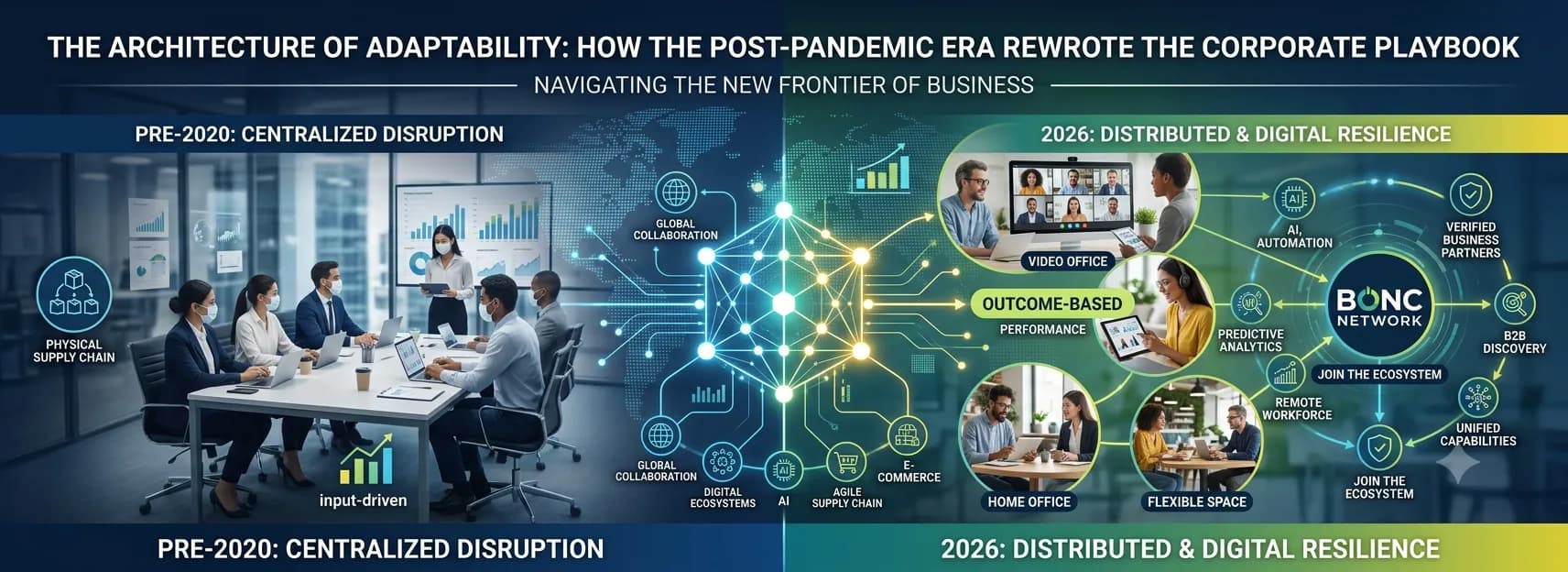
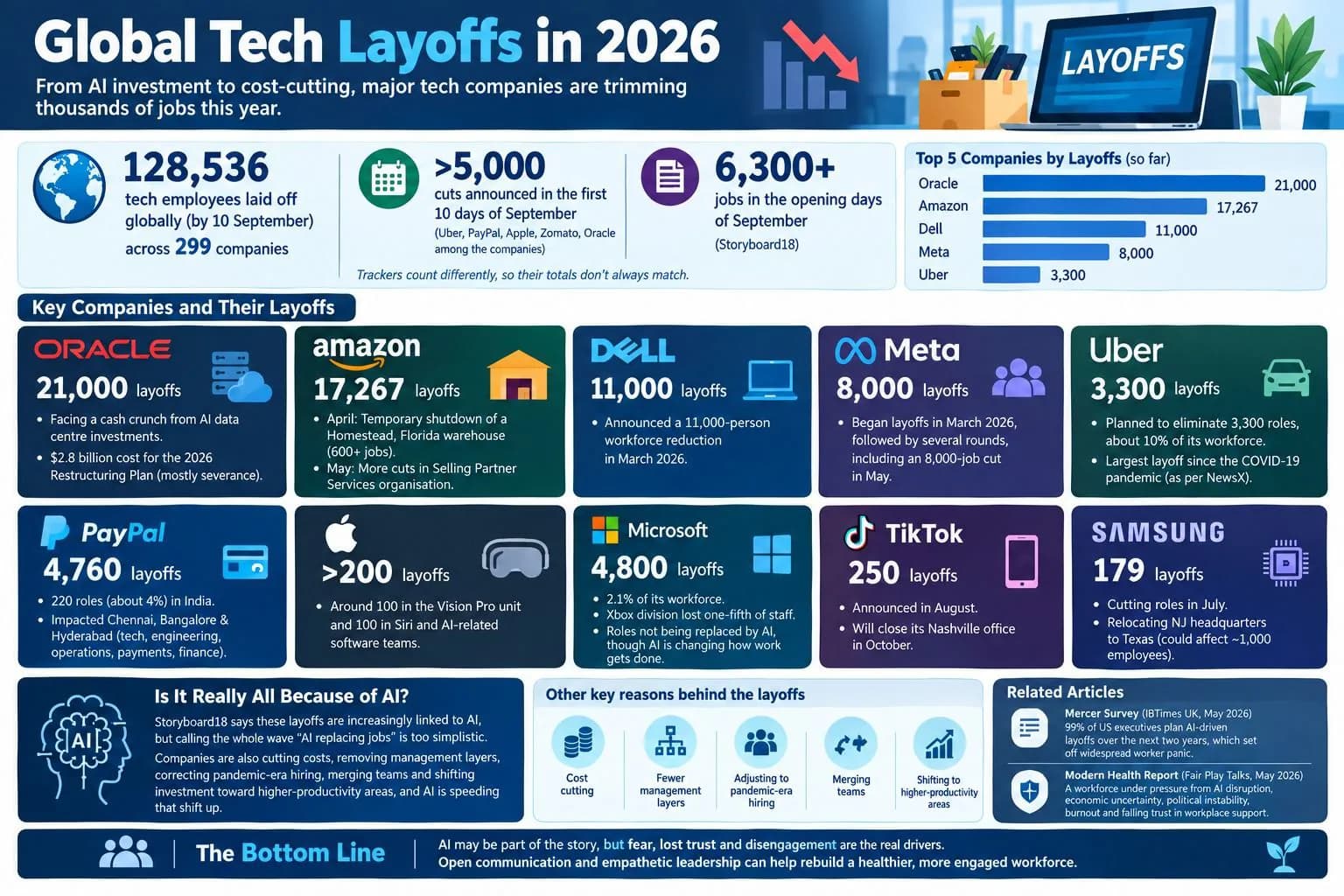
Artificial Intelligence (AI) has become one of the most transformative technologies of the modern era. From healthcare and finance to education and software development, AI is changing how organizations operate and how people perform their jobs. While some fear that AI will replace human workers, the reality is more balanced. AI is reshaping jobs by automating repetitive tasks, increasing productivity, and creating new career opportunities that require human creativity, critical thinking, and technical expertise.
How AI Is Transforming Jobs
AI excels at handling repetitive and data-intensive tasks. Businesses use AI-powered systems to automate customer support, analyze large datasets, generate reports, detect fraud, and improve decision-making. This allows employees to spend more time on strategic work, innovation, and solving complex business problems.
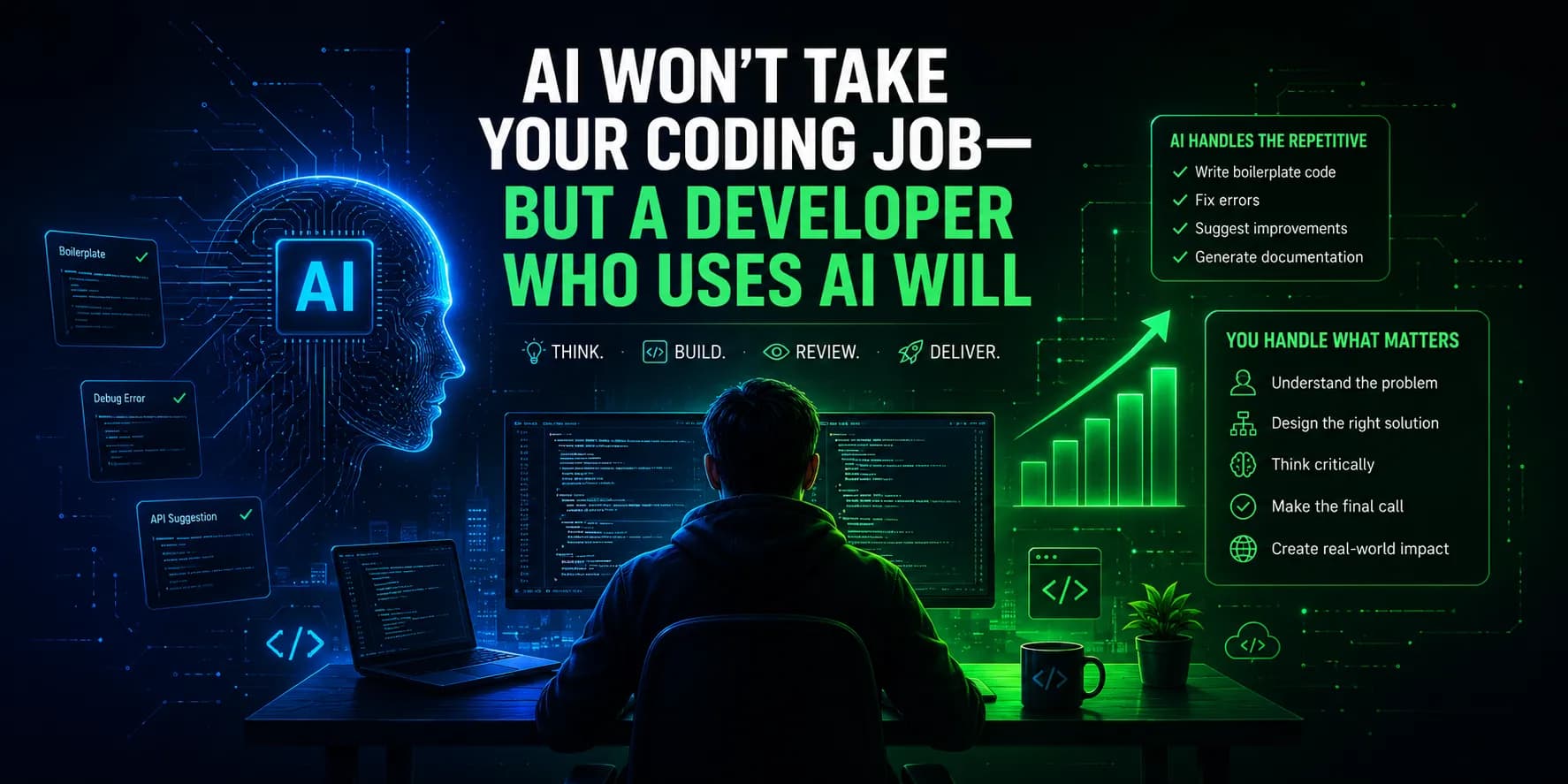
For example, software developers use AI coding assistants to generate boilerplate code, identify bugs, and improve code quality. Rather than replacing developers, these tools help them work faster and focus on designing scalable and maintainable applications.
New Career Opportunities
As AI adoption grows, the demand for skilled professionals is increasing across multiple industries. Organizations are hiring AI Engineers, Machine Learning Engineers, Data Scientists, AI Product Managers, Prompt Engineers, AI Security Specialists, and Cloud Engineers. Traditional roles are also evolving, with AI becoming a valuable skill for software developers, digital marketers, business analysts, healthcare professionals, and educators.
Professionals who continuously learn new technologies and adapt to changing industry requirements will have greater career opportunities in the AI-driven economy.
Challenges of AI in the Workplace
Despite its advantages, AI also presents several challenges. Routine and repetitive jobs are more likely to be automated, requiring workers to upgrade their skills. Ethical concerns such as data privacy, algorithmic bias, misinformation, and responsible AI usage are becoming increasingly important.
Organizations must ensure that AI systems are transparent, secure, and compliant with legal and ethical standards. At the same time, employees should develop technical and problem-solving skills to remain competitive.
AI as a Productivity Partner
AI should be viewed as a productivity partner rather than a replacement for human intelligence. Human qualities such as creativity, emotional intelligence, leadership, communication, and ethical judgment cannot be fully replicated by machines. The best outcomes are achieved when AI supports human expertise instead of replacing it.
In software development, AI can generate code suggestions and automate testing, but developers are still responsible for system architecture, business logic, security, performance optimization, and user experience.
Preparing for the Future
To succeed in an AI-driven world, professionals should focus on continuous learning. Building skills in programming, cloud computing, data analysis, cybersecurity, AI fundamentals, and communication will improve long-term career prospects. Companies should also invest in employee training to help their workforce adapt to technological advancements.
Educational institutions can play an important role by integrating AI literacy, practical projects, and problem-solving skills into their curricula.
Conclusion
Artificial Intelligence is transforming the future of work by increasing efficiency, enabling innovation, and creating new career opportunities. Although some traditional roles may evolve or disappear, AI is also generating demand for new skills and professions. The future belongs to individuals who embrace continuous learning, adapt to technological change, and combine AI tools with human creativity and critical thinking. Rather than replacing people, AI has the potential to empower professionals and drive sustainable growth across industries.