• Home

Business

  • Dashboard
  • My Products
  • Edit Business
  • My Groups

Explore

  • Articles
  • Community
  • Careers
  • Blogs
BONC logoGet it on Google Play

Products

  • Pricing
  • Explore Industry
  • Explore Category
  • Explore Product
  • About Us

About BONC

  • FAQs
  • Terms and Condition
  • Privacy Policy
  • Refund Policy
  • Blogs

OFFICE LOCATION

Costipro Technologies Pvt. Ltd, Unit no. 235 to 245, Supremework Workspace, 2nd Floor, ILD Trade Center, Sector 47, Sohna Road, Gurgaon, Haryana - 122018

© 2025 - 2026 BONC Network. All rights reserved

BONC Logo
  • Home

Business

  • Dashboard
  • My Products
  • Edit Business
  • My Groups

Explore

  • Articles
  • Community
  • Careers
  • Blogs

Morocco’s Rise Signals a New Investment Landscape in Africa: Manufacturing, Infrastructure and Economic Reforms Reshape Investor Priorities

Industry ReportBy Global Bserve · 27 Oct 2026
Morocco’s Rise Signals a New Investment Landscape in Africa: Manufacturing, Infrastructure and Economic Reforms Reshape Investor Priorities

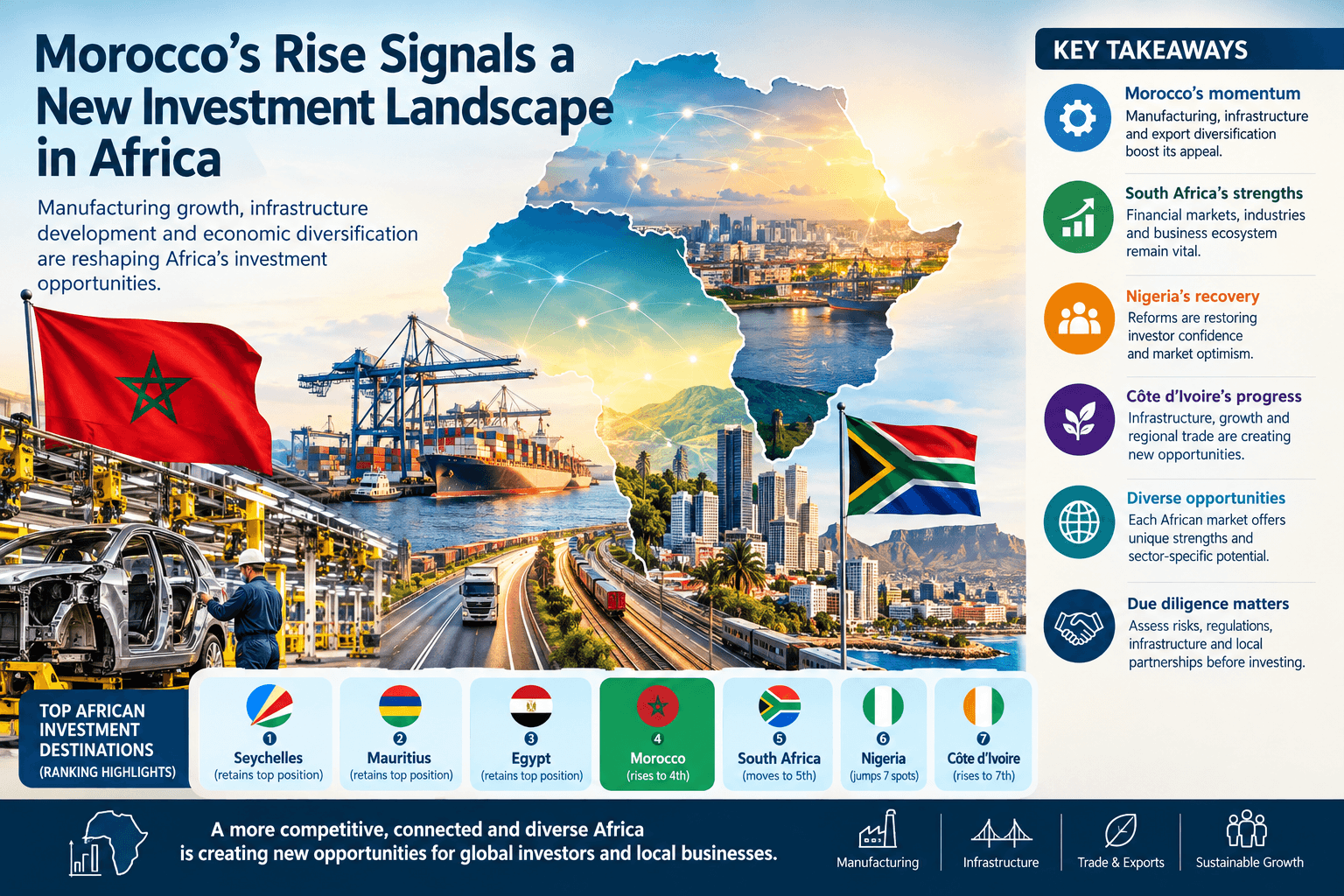
Africa’s investment landscape is evolving as countries strengthen their industrial capabilities, modernise infrastructure and compete for international capital. Morocco’s growing appeal highlights this shift. According to an assessment by Rand Merchant Bank (RMB), a subsidiary of FirstRand Ltd., Morocco has overtaken South Africa to become Africa’s fourth-most attractive investment destination.

The development reflects a broader change in how investors assess opportunities across the continent. Market size remains important, but infrastructure, policy stability, manufacturing capacity, export access and the ease of conducting business are increasingly influential.

Morocco’s progress illustrates how sustained investment in industrial development and international trade connections can improve a country’s position. Meanwhile, South Africa continues to offer significant advantages, including a sophisticated financial sector, established industries and a substantial consumer market.

The changing rankings do not necessarily indicate that one economy has replaced another in overall strength. Instead, they demonstrate how different countries are positioning themselves to attract capital in an increasingly competitive global environment.

Key Takeaways

  • Morocco’s manufacturing capabilities and export-oriented strategy are strengthening its investment appeal.

  • Infrastructure investment and industrial development can help attract long-term capital.

  • South Africa remains an important economic centre despite increased competition.

  • Nigeria, Côte d’Ivoire, Egypt, Mauritius and other markets offer distinct investment opportunities.

  • Investors increasingly evaluate operational conditions, market access and economic resilience alongside market size.

  • Africa’s long-term potential depends on productive investment, skills development, infrastructure and stronger regional trade.

Morocco’s Manufacturing Strategy Gains Momentum

One of the principal factors supporting Morocco’s investment profile is its focus on manufacturing. Rather than relying exclusively on traditional economic activities, the country has worked to develop industries that can participate in international supply chains.

Automotive manufacturing is an important example. Morocco has attracted investment in vehicle assembly and automotive components, helping establish industrial ecosystems that connect manufacturers, suppliers, logistics providers and exporters.

This approach can generate benefits beyond the factories themselves. Component manufacturers, packaging companies, industrial equipment suppliers, transport operators and technical service providers may also find opportunities as production networks expand.

Morocco’s aerospace activities, renewable-energy ambitions and other industrial initiatives further demonstrate its efforts to diversify economic activity. However, the long-term benefits depend on productivity, local supplier development, workforce capabilities and the ability of domestic businesses to move into higher-value activities.

Investment pointer: Businesses considering Morocco should assess opportunities across the wider manufacturing ecosystem, not only among major international manufacturers. Supporting industries and specialised services can be important parts of the value chain.

Infrastructure Strengthens Morocco’s Competitive Position

Reliable infrastructure is central to investment decisions. Manufacturers and exporters need efficient transport, dependable utilities, access to ports and predictable movement of goods.

Morocco has invested in transport links, port capacity and industrial zones to support trade and manufacturing. Its geographic position between Europe and Africa can also be advantageous for companies seeking to diversify production locations and serve multiple markets.

Infrastructure improvements can reduce logistical friction, support industrial clustering and make it easier for companies to connect with suppliers and customers. These advantages are particularly relevant for export-oriented businesses operating under tight delivery schedules.

Nevertheless, infrastructure quality should be evaluated at the project level. Access, cost, capacity and reliability may differ between locations and industrial zones. Investors must also consider energy costs, water availability, workforce access and the time required to establish operations.

Investment pointer: Companies exploring Morocco should compare industrial locations based on total operating costs, logistics access, utilities, labour availability and proximity to target customers.

South Africa Remains a Major Economic Force

Morocco’s rise in investment attractiveness should not be interpreted as a decline in the overall importance of South Africa. The country continues to possess substantial economic strengths, including developed financial markets, established professional services, industrial capabilities and a broad business ecosystem.

South Africa has experience across mining, manufacturing, agriculture, financial services, technology and retail. Its established corporate sector and financial infrastructure can support investors seeking access to sophisticated business services and regional opportunities.

At the same time, challenges involving infrastructure reliability, logistics performance, economic growth and policy uncertainty can influence investor confidence. Addressing these constraints is important for improving competitiveness and encouraging new productive investment.

South Africa’s investment outlook therefore depends not only on its existing strengths but also on its ability to improve operating conditions, expand infrastructure capacity and create an environment in which businesses can plan with greater certainty.

Investment pointer: Investors should distinguish between country-level perceptions and sector-specific fundamentals. South Africa may remain highly competitive in particular industries even as other African economies improve their relative positions.

Nigeria: Scale and Market Potential

Nigeria remains a major market because of its population, entrepreneurial activity and broad consumer demand. Its economy offers opportunities across consumer goods, agriculture, financial technology, telecommunications, energy and business services.

The size of the domestic market can attract companies seeking long-term growth. Local production, distribution networks and services adapted to consumer needs may offer routes into the economy.

However, market size alone does not guarantee commercial success. Currency volatility, inflation, infrastructure constraints, financing costs and regulatory complexity can affect business performance.

Companies considering Nigeria need detailed assessments of customer purchasing power, pricing, foreign-exchange exposure, payment systems and distribution capabilities.

Investment pointer: Businesses should build realistic operating scenarios and evaluate how currency movements, logistics costs and financing requirements could affect profitability.

Côte d’Ivoire and the Growth of West Africa

Côte d’Ivoire has developed an increasingly important role in West Africa, supported by economic activity, infrastructure development and its position within regional commercial networks.

Agriculture and related processing industries remain significant, while construction, consumer services, logistics and manufacturing can offer opportunities as urbanisation and business activity expand.

For international companies, the country may provide a platform for exploring wider regional demand. Yet entering a market successfully requires understanding local regulations, customer preferences, distribution arrangements and competitive conditions.

Regional expansion should not be treated as a uniform strategy. Countries within West Africa have different currencies, regulatory frameworks, commercial practices and levels of infrastructure development.

Investment pointer: Businesses should evaluate Côte d’Ivoire both as a domestic market and as a possible starting point for a carefully planned regional strategy.

Other African Markets Offer Different Advantages

Africa’s investment landscape cannot be understood through a single ranking. Countries offer different combinations of market access, specialist capabilities, natural resources, financial services and economic conditions.

Mauritius, for example, has developed a profile in financial and professional services. Egypt offers a large domestic market and industrial opportunities, while Seychelles has a distinctive position in tourism and selected services.

Other economies may offer opportunities linked to agriculture, renewable energy, mining, digital services or regional trade. The attractiveness of each destination depends on the investor’s industry, investment horizon and business objectives.

Smaller economies can be competitive in specialised activities even when they cannot match the scale of larger markets. Conversely, a large economy may offer significant demand but require more complex distribution, financing and operational arrangements.

Investment pointer: Companies should identify the business outcome they need before selecting a destination. A market suited to manufacturing exports may not be the best choice for consumer retail, financial services or resource-based projects.

What Investment Attractiveness Rankings Really Measure

Investment rankings provide useful comparisons, but they should be interpreted carefully. They generally assess a combination of economic, financial, institutional and business-related indicators. The precise methodology depends on the organisation producing the ranking.

A country’s position may reflect its projected economic opportunities, market conditions, investment climate or other measures. It does not automatically represent the amount of foreign investment received, the profitability of individual projects or the absence of risk.

Investors should also distinguish between investment attractiveness, actual capital inflows and realised economic outcomes. A country may attract considerable interest without every announced project proceeding to completion.

For this reason, the reported change in Morocco’s position is best understood as a signal of evolving investor priorities rather than definitive proof that Morocco is superior to South Africa across all economic measures.

Readers should consult the latest RMB report to verify the ranking, publication date and methodology before citing the figures in a business or investment decision.

Supply-Chain Diversification Creates New Opportunities

Global businesses have been reassessing how they manufacture, source and distribute products. Factors such as geopolitical uncertainty, transport disruption, changing trade policies and the need for greater supply-chain resilience have encouraged some companies to consider additional production locations.

African economies that can provide reliable infrastructure, skilled workers, competitive operating costs and access to target markets may benefit from this shift.

Morocco’s industrial development illustrates how manufacturing capacity and international connectivity can support participation in cross-border supply chains. Other African economies may also benefit where their capabilities align with industry requirements.

However, supply-chain diversification involves more than selecting a country with lower costs. Businesses must examine supplier quality, delivery reliability, workforce training, customs procedures, access to finance and the availability of supporting industries.

Investment pointer: Investors should assess whether a location can meet long-term operational requirements, rather than basing decisions solely on labour costs or short-term incentives.

Opportunities for Small and Medium-Sized Businesses

Large manufacturers and international investors are not the only businesses that can benefit from Africa’s changing investment environment. Small and medium-sized enterprises may find opportunities by serving the suppliers, distributors and service providers associated with expanding industries.

Potential areas include industrial maintenance, packaging, warehousing, transport, business software, technical consulting, workforce training, equipment supply and professional services.

Companies entering new markets may also need local partners who understand customer behaviour, compliance requirements and distribution channels. This can create opportunities for domestic businesses with specialised knowledge and reliable delivery capabilities.

At the same time, smaller firms must carefully manage payment terms, working capital, contract obligations and customer concentration. Winning a contract with a major company can create growth opportunities, but it can also place pressure on cash flow and production capacity.

Investment pointer: SMEs should identify a specific capability they can deliver competitively, develop credible business documentation and build relationships with potential buyers, suppliers and industry partners.

Due Diligence Remains Essential

Even in countries experiencing positive investment momentum, investors must conduct thorough due diligence.

Key considerations include:

  • Regulatory environment: Understand business registration, licensing, taxation, employment rules and sector-specific requirements.

  • Financial exposure: Evaluate currency movements, interest rates, financing availability and repatriation arrangements where relevant.

  • Infrastructure: Confirm the availability and reliability of electricity, water, transport, telecommunications and industrial facilities.

  • Market demand: Validate customer requirements, purchasing power, competition and realistic sales forecasts.

  • Local partnerships: Assess prospective partners’ financial standing, reputation, operational capability and contractual commitments.

  • Workforce: Examine labour availability, skills, training needs and employment obligations.

  • Political and economic conditions: Consider policy changes, trade arrangements and country-specific risks.

  • Sustainability: Evaluate environmental requirements, resource availability and the long-term resilience of the proposed operation.

Incentives and favourable rankings can support a business case, but they should never replace independent analysis. Investors should also verify the terms of any incentive directly with the relevant authorities and qualified advisers.

Africa’s Investment Future: Competition and Collaboration

The changing positions of African investment destinations reflect a continent with diverse economic opportunities and increasingly differentiated business environments.

Morocco’s progress demonstrates the potential value of sustained industrial development, infrastructure investment and international trade integration. South Africa continues to offer established capabilities and a substantial business ecosystem. Nigeria brings market scale, while Côte d’Ivoire and other economies offer opportunities shaped by their regional roles and sector strengths.

The next phase of investment growth will depend on whether countries can translate investor interest into productive capacity, sustainable employment, stronger domestic businesses and broader economic participation.

Infrastructure, skills, regulatory predictability, access to finance and regional cooperation will remain important. So will the ability of domestic firms to participate in supply chains instead of remaining on the margins of investment-led growth.

For businesses, the key is not to follow rankings blindly. It is to identify where their products, services, expertise and capital can solve real problems and generate sustainable value.

Conclusion

Morocco’s reported move ahead of South Africa in RMB’s assessment of Africa’s most attractive investment destinations highlights the changing dynamics of the continent’s economy. Manufacturing growth, infrastructure development and export diversification are helping Morocco strengthen its position in international business discussions.

South Africa, meanwhile, retains important advantages that continue to make it relevant to investors. Other markets across the continent offer distinct opportunities depending on the sector, scale and purpose of an investment.

The broader lesson is that Africa should not be viewed as a single investment market. Its economies differ significantly in capabilities, risks, consumer demand and business conditions.

For investors and businesses, long-term success will depend on informed market selection, rigorous due diligence and the ability to develop strong local relationships. As competition for investment continues, countries that combine credible policies with productive infrastructure and a supportive business environment will be better placed to convert opportunity into lasting economic growth.

Synopsis
Morocco’s reported rise above South Africa in RMB’s assessment of Africa’s investment destinations highlights the growing importance of manufacturing, infrastructure and export diversification. This article explores Morocco’s industrial strategy, South Africa’s continuing economic strengths, opportunities in Nigeria and Côte d’Ivoire, and the wider factors shaping investment across Africa. It also examines supply-chain diversification, opportunities for SMEs and the importance of due diligence when entering new markets.

#AfricaInvestment#Morocco#SouthAfrica#AfricanEconomy#ForeignDirectInvestment#Manufacturing#EmergingMarkets#BusinessGrowth#InvestmentStrategy#SupplyChain#InfrastructureDevelopment#AfricanBusiness#GlobalTrade#SMEs#EconomicDevelopment

Comments

No comments yet

Be the first to share your thoughts.

Latest Articles

View all

Company Articles

  • Best Door Hinges, Window Hinges, Stainless Steel, Brass & Mild Steel Hardware Fittings Supplier in India | INDIAN HARDWARE

    Best Door Hinges, Window Hinges, Stainless Steel, Brass & Mild Steel Hardware Fittings Supplier in India | INDIAN HARDWARE

    Ashik Mondol · few months ago

  • Premium Wash Basins, Sanitaryware & Bathroom Fittings for Residential and Commercial Projects | M/S SUPREME MARKETING

    Premium Wash Basins, Sanitaryware & Bathroom Fittings for Residential and Commercial Projects | M/S SUPREME MARKETING

    Rajesh Agarwal · few months ago

  • The Architecture of Adaptability: How the Post-Pandemic Era Rewrote the Corporate Playbook

    The Architecture of Adaptability: How the Post-Pandemic Era Rewrote the Corporate Playbook

    Vikas Garg · few months ago

  • Premium Roofing Materials, Floor & Wall Tiles, Roofing Fittings and False Ceiling Solutions in India | MURLI ENTERPRISES

    Premium Roofing Materials, Floor & Wall Tiles, Roofing Fittings and False Ceiling Solutions in India | MURLI ENTERPRISES

    Atanu Das · few months ago

  • Premium Marble, Granite, Ceramic & Porcelain Tiles Supplier in India | JAIN MARBLE CENTRE

    Premium Marble, Granite, Ceramic & Porcelain Tiles Supplier in India | JAIN MARBLE CENTRE

    Sonu Jha · few months ago

Networking Articles

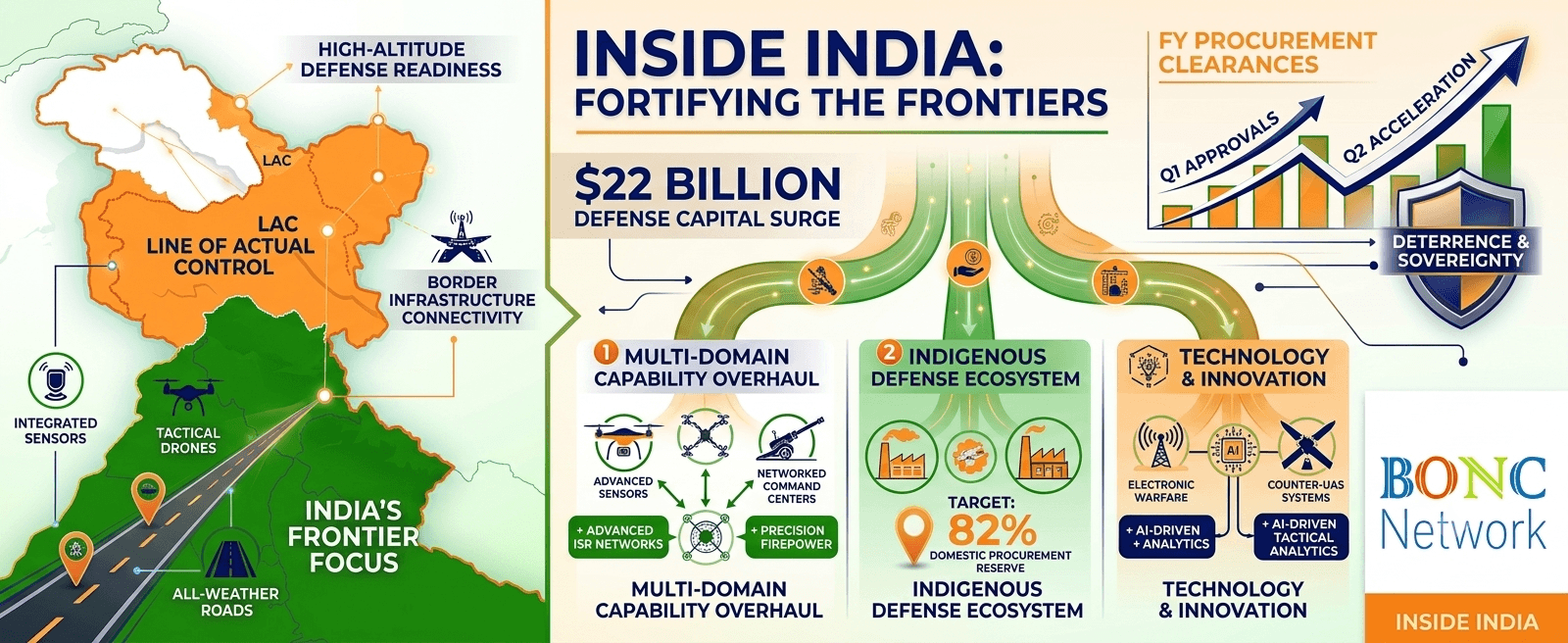
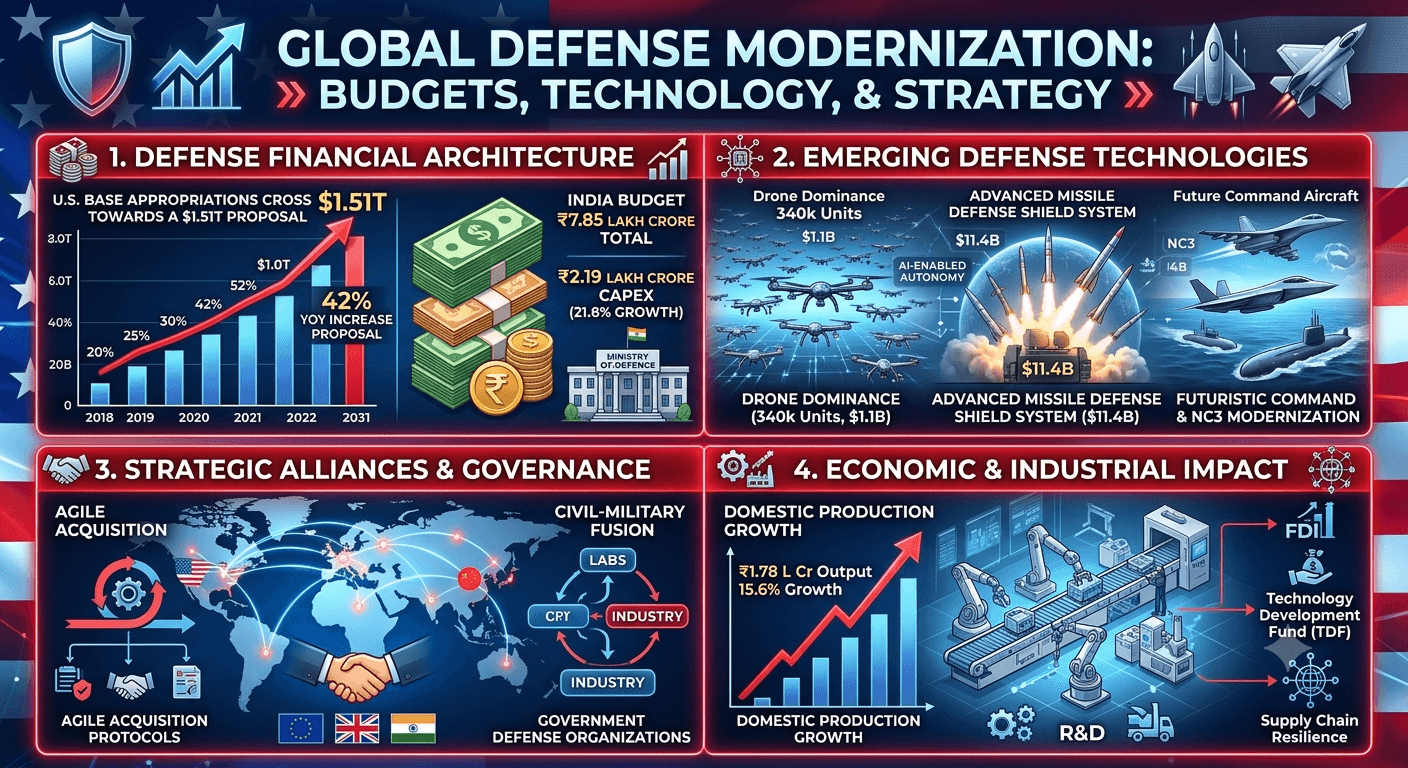
  • India’s Strategic $22 Billion Defense Modernization Surge

    India’s Strategic $22 Billion Defense Modernization Surge

    BONC NETWORK · few months ago

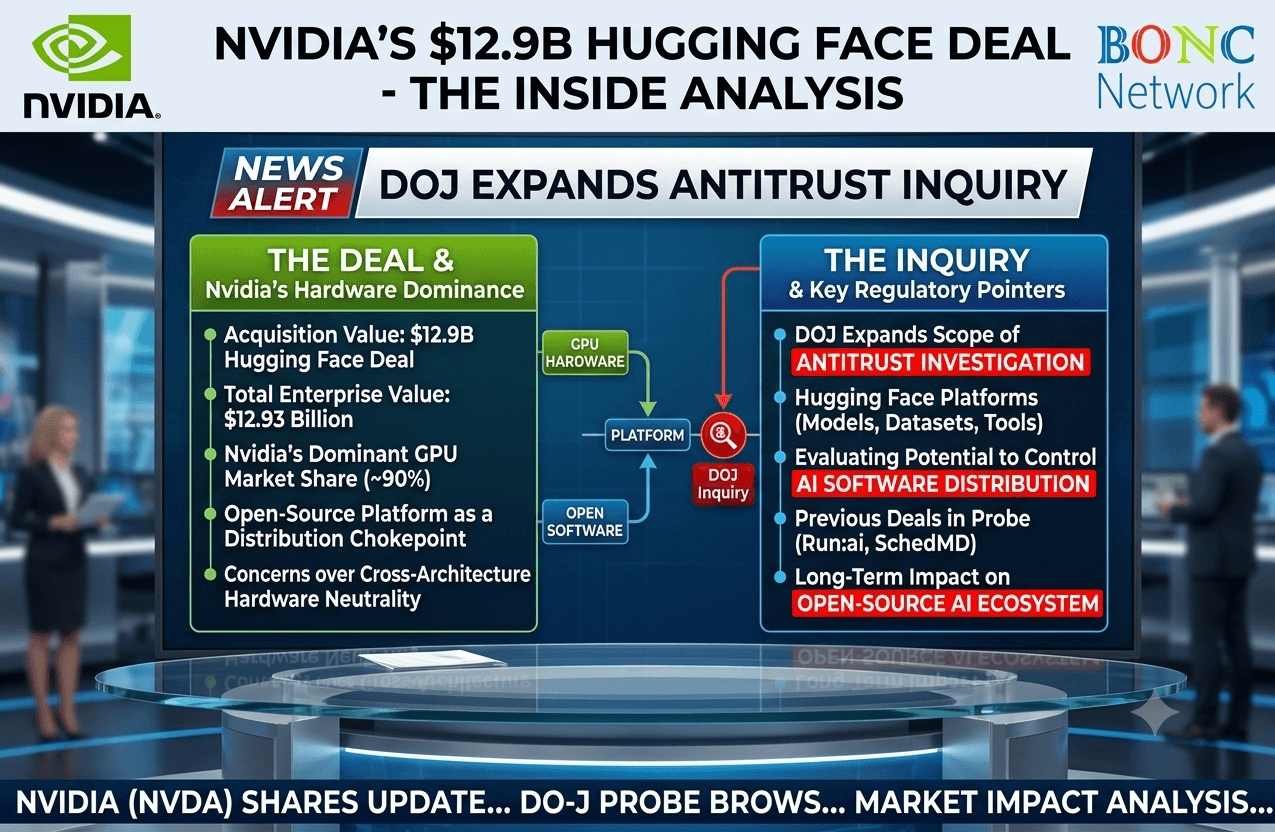
  • Nvidia’s $12.9B Hugging Face Deal - DOJ Expands Antitrust Inquiry

    Nvidia’s $12.9B Hugging Face Deal - DOJ Expands Antitrust Inquiry

    BONC NETWORK · few months ago

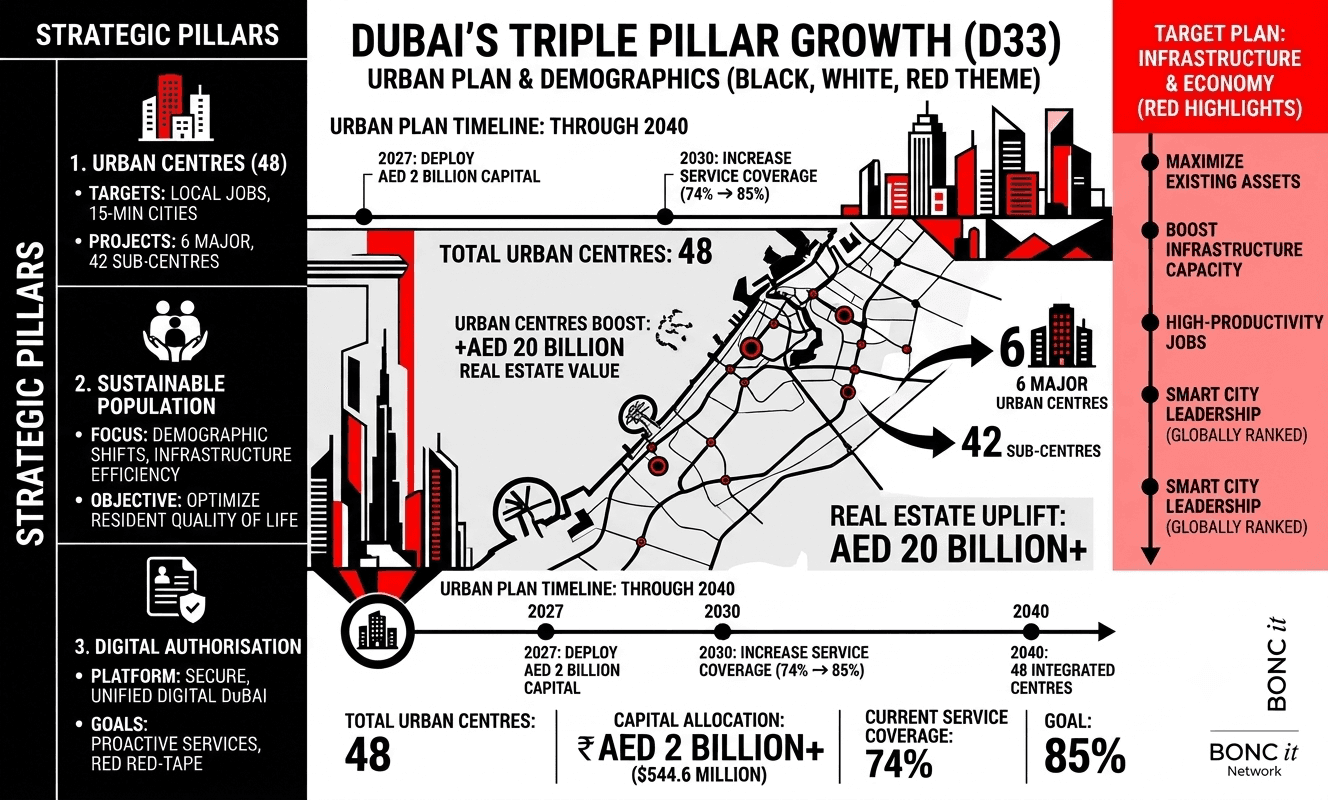
  • Dubai's Strategic Leap: Sheikh Hamdan Approves $544M Urban Plan, Sustainable Population Policy, and Digital Authorisation System

    Dubai's Strategic Leap: Sheikh Hamdan Approves $544M Urban Plan, Sustainable Population Policy, and Digital Authorisation System

    Consulting Expert · few months ago

  • Anthropic’s Landmark S-1 Public Filing: Scale, Financial Liabilities, and Mission Governance

    Anthropic’s Landmark S-1 Public Filing: Scale, Financial Liabilities, and Mission Governance

    BONC NETWORK · few months ago

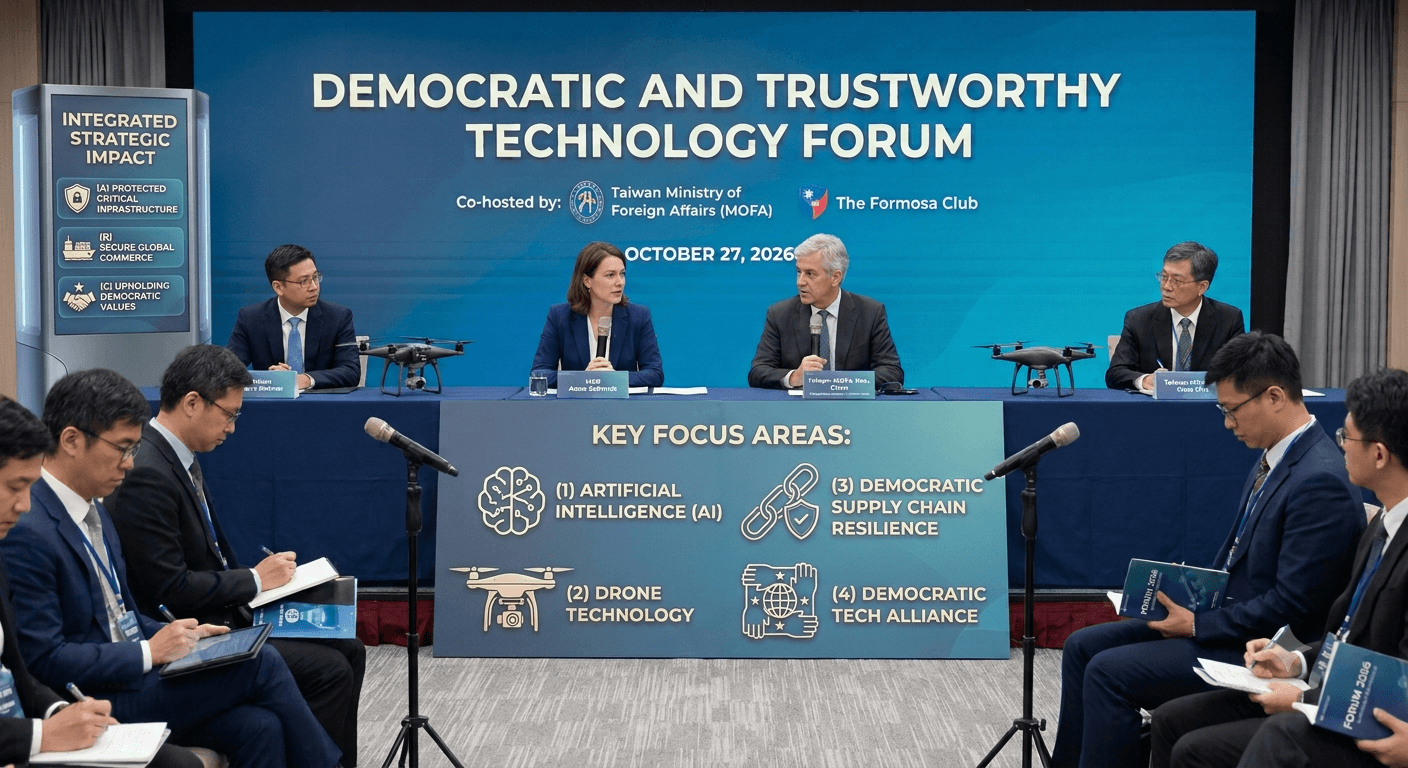
  • Democratic and Trustworthy Technology Forum | Taipei | October 27, 2026

    Democratic and Trustworthy Technology Forum | Taipei | October 27, 2026

    BONC NETWORK · few months ago

More Articles

View all
Best Door Hinges, Window Hinges, Stainless Steel, Brass & Mild Steel Hardware Fittings Supplier in India | INDIAN HARDWARE
Market Study

Best Door Hinges, Window Hinges, Stainless Steel, Brass & Mild Steel Hardware Fittings Supplier in India | INDIAN HARDWARE

The strength of any door, window, cabinet, or industrial fixture often depends on a component that many people overlook—hardware fittings. From ensuring smooth movement to providing long-term durability, hinges and hardware accessories play a crucial role in residential, commercial, and industrial construction projects. For builders, contractors, architects, furniture manufacturers, and hardware dealers seeking dependable solutions, INDIAN HARDWARE has emerged as a reliable supplier of door hinges, window hinges, stainless steel hardware fittings, brass fittings, and mild steel hardware products designed to meet modern construction and manufacturing requirements. Why Hardware Fittings Matter More Than Ever Every building is made up of thousands of components, but hardware fittings are among the few that are used daily. Whether opening a residential main door, operating a commercial office partition, or securing industrial equipment, quality hardware directly impacts functionality, safety, and user experience. Poor-quality fittings can lead to: Frequent maintenance issues Misaligned doors and windows Reduced security Rust and corrosion problems Increased replacement costs This is why construction professionals increasingly prioritize durable, precision-engineered hardware solutions that offer long service life and reliable performance. INDIAN HARDWARE: Delivering Dependable Hardware Solutions INDIAN HARDWARE serves customers with a comprehensive range of metal hardware fittings manufactured and supplied to meet varying industry demands. The company focuses on delivering products that combine durability, functionality, and value, making them suitable for multiple applications, including: Residential construction projects Commercial buildings Institutional infrastructure Furniture manufacturing Interior design installations Industrial facilities Renovation and maintenance projects By maintaining quality standards and product consistency, INDIAN HARDWARE helps customers source hardware solutions that perform efficiently under everyday usage conditions. Product Range Designed for Diverse Applications Door Hinges for Smooth and Secure Operation Doors are among the most frequently used elements of any property. Their performance largely depends on the strength and quality of the hinges installed. INDIAN HARDWARE supplies door hinges designed to offer: Smooth door movement Enhanced load-bearing capacity Long operational life Resistance to wear and tear Reliable alignment and support These hinges are suitable for residential doors, office doors, commercial entrances, wooden doors, and specialized applications where durability is essential. Window Hinges Built for Everyday Reliability Windows require fittings that can withstand repeated opening and closing while maintaining stability. The window hinges supplied by INDIAN HARDWARE are designed to support: Proper window alignment Consistent operation Structural stability Long-term functionality Reduced maintenance requirements Whether used in homes, offices, educational institutions, or industrial facilities, quality window hinges contribute significantly to user convenience and building performance. Stainless Steel Hardware Fittings Stainless steel remains one of the most preferred materials in the hardware industry due to its strength, appearance, and corrosion resistance. INDIAN HARDWARE offers stainless steel hardware fittings suitable for applications requiring: Rust resistance Durability in humid environments Modern aesthetics Low maintenance Long service life These fittings are widely used in residential interiors, commercial spaces, hospitality projects, and industrial environments. Brass Hardware Fittings Brass fittings continue to be valued for their elegant appearance and reliable performance. The brass hardware range offered by INDIAN HARDWARE is suitable for customers looking for: Attractive finishes Corrosion resistance Durability Decorative appeal Long-term reliability Brass fittings are commonly used in premium residential projects, furniture manufacturing, decorative installations, and architectural applications. Mild Steel Hardware Solutions For projects that require strength and affordability, mild steel hardware fittings remain a practical choice. INDIAN HARDWARE supplies mild steel products that deliver: Structural strength Versatile applications Cost-effectiveness Reliable performance Adaptability for various installations These fittings are commonly used across industrial, commercial, and construction sectors where durability and value are equally important. How Customers Benefit from Choosing Quality Hardware Selecting premium hardware fittings is not merely a purchasing decision—it is a long-term investment. Reduced Maintenance Costs Durable hinges and fittings require fewer repairs and replacements, helping property owners save money over time. Better User Experience Smooth operation enhances convenience for occupants and improves overall satisfaction. Improved Structural Integrity Strong hardware supports doors, windows, and fixtures more effectively, contributing to building safety and stability. Enhanced Appearance Well-designed hardware complements architectural and interior design aesthetics. Long-Term Performance Quality materials such as stainless steel, brass, and mild steel help ensure dependable performance under varying environmental conditions. Supporting Construction and Manufacturing Industries Modern infrastructure projects demand products that meet both performance expectations and project timelines. INDIAN HARDWARE supports various industries by providing hardware solutions suitable for: Builders and developers Hardware retailers Contractors Fabricators Interior designers Furniture manufacturers Architects and consultants Its diverse product portfolio enables customers to source multiple hardware requirements from a single supplier, improving procurement efficiency and project coordination. Meeting Evolving Market Expectations The hardware industry continues to evolve as customers seek stronger, longer-lasting, and aesthetically appealing products. Current market trends indicate growing demand for: Corrosion-resistant fittings Precision-engineered hinges Premium finishing options Durable construction hardware Low-maintenance metal fittings By focusing on product quality and practical functionality, INDIAN HARDWARE remains aligned with these changing market needs and customer expectations. Expanding Digital Visibility Through BONC Network As businesses increasingly leverage digital platforms to connect with buyers, suppliers, and industry professionals, online visibility has become an important part of business growth. INDIAN HARDWARE has listed its products and business on BONC Network , enabling interested customers and businesses to discover its hardware solutions more efficiently. Such platforms help create stronger connections between manufacturers, suppliers, dealers, and end users across various industries. Choosing the Right Hardware Partner When selecting a hardware supplier, customers often evaluate several factors: Product quality Material reliability Range of available products Consistency of supply Industry experience Customer support INDIAN HARDWARE continues to focus on these important aspects, helping customers source dependable hardware fittings that contribute to successful project outcomes. Conclusion From durable door hinges and reliable window hinges to stainless steel, brass, and mild steel hardware fittings, INDIAN HARDWARE offers solutions designed to support the needs of modern construction, manufacturing, and interior projects. With a commitment to quality, functionality, and customer satisfaction, the company serves a wide range of industries seeking dependable hardware products that deliver long-term value. Its presence on BONC Network further enhances accessibility for customers looking to explore professional hardware solutions and connect with established suppliers in the market. For projects where performance, durability, and reliability matter, quality hardware fittings from INDIAN HARDWARE provide the foundation for lasting results.

#IndianHardware#DoorHinges#WindowHinges
Ashik Mondol
Premium Wash Basins, Sanitaryware & Bathroom Fittings for Residential and Commercial Projects | M/S SUPREME MARKETING
Market Study

Premium Wash Basins, Sanitaryware & Bathroom Fittings for Residential and Commercial Projects | M/S SUPREME MARKETING

A well-designed bathroom is no longer just a functional space. It has become an essential part of residential homes, commercial establishments, hotels, offices, hospitals, and retail projects. From elegant wash basins to durable sanitaryware and premium bathroom fittings, every element contributes to comfort, hygiene, and aesthetics. When architects, builders, contractors, and homeowners look for reliable bathroom solution providers, quality products and consistent service become the top priorities. M/S SUPREME MARKETING has established itself as a dependable supplier of wash basins, sanitaryware, bathroom fittings, and accessories, catering to a wide range of residential and commercial projects. The Growing Demand for Quality Bathroom Products Modern construction trends emphasize functionality, water efficiency, durability, and visual appeal. Whether it is a luxury villa, apartment complex, shopping center, hotel, or corporate office, bathrooms are expected to combine performance with style. This demand has increased the need for suppliers who can provide comprehensive product ranges under one roof. M/S SUPREME MARKETING addresses these requirements by offering carefully selected sanitaryware and bathroom solutions that meet contemporary design and quality standards. What Customers Expect Today Today's buyers look for: Elegant and modern designs Long-lasting durability Easy maintenance and cleaning Water-efficient fittings Reliable product performance Cost-effective solutions Availability of multiple design options Meeting these expectations requires a strong product portfolio and industry expertise, both of which are key strengths of M/S SUPREME MARKETING. A Wide Range of Bathroom Solutions One of the major advantages of working with M/S SUPREME MARKETING is access to a comprehensive selection of bathroom products suitable for various applications. Premium Wash Basins Wash basins play a central role in bathroom design. Available in various styles, shapes, and sizes, they contribute to both functionality and visual appeal. The company supplies wash basins that complement different interior themes, including: Contemporary bathrooms Luxury residences Commercial washrooms Hospitality projects Institutional buildings These products are designed to offer durability while enhancing the overall aesthetics of the space. Sanitaryware for Residential and Commercial Applications High-quality sanitaryware is essential for maintaining hygiene and ensuring long-term performance. M/S SUPREME MARKETING offers sanitaryware solutions suitable for: Homes and apartments Hotels and resorts Educational institutions Healthcare facilities Corporate offices Retail establishments The focus remains on providing products that combine practical functionality with modern design preferences. Bathroom Fittings That Deliver Performance Bathroom fittings are among the most frequently used components in any property. Reliability, smooth operation, and resistance to wear are critical factors. The company's range includes fittings designed to provide: Efficient water flow Long service life Attractive finishes Corrosion resistance User-friendly operation These features help customers achieve both convenience and durability. Essential Bathroom Accessories The finishing touches often make the biggest difference. Bathroom accessories enhance organization, convenience, and visual consistency. Available accessories help create complete bathroom environments that are both practical and aesthetically pleasing. Supporting Diverse Project Requirements Every project comes with unique specifications. A residential renovation has different requirements compared to a commercial complex or hospitality project. M/S SUPREME MARKETING works with various customer segments, including: Homeowners Homeowners seek products that balance beauty, comfort, and value. The company helps customers select suitable bathroom products that align with their design preferences and budgets. Builders and Developers Large-scale residential and commercial developments require dependable supply chains and consistent product quality. By offering a broad product range, M/S SUPREME MARKETING supports project timelines and construction goals. Architects and Interior Designers Design professionals often require products that align with specific themes and project concepts. The availability of diverse designs and finishes allows greater creative flexibility. Commercial Establishments Offices, malls, restaurants, hotels, and institutions need durable bathroom solutions capable of handling heavy daily usage. The company's offerings are selected to meet these demanding environments. Why Product Quality Matters Choosing inferior sanitaryware or fittings may result in frequent repairs, maintenance costs, and customer dissatisfaction. Quality bathroom products provide several long-term benefits: Better Durability Strong materials and superior manufacturing standards help products withstand daily wear and tear. Improved Hygiene Modern sanitaryware designs support easier cleaning and maintenance, contributing to healthier environments. Enhanced Aesthetic Appeal Well-designed bathroom products improve the overall appearance and value of residential and commercial properties. Cost Savings Over Time Durable products reduce replacement frequency and maintenance expenses, delivering greater long-term value. Adapting to Modern Bathroom Trends Bathroom design trends continue to evolve. Customers increasingly prefer solutions that combine elegance with practicality. Some popular trends influencing product selection include: Minimalist bathroom designs Space-saving fixtures Contemporary basin styles Water-efficient fittings Easy-to-clean surfaces Premium finish accessories M/S SUPREME MARKETING keeps pace with these evolving preferences by offering products that align with current market demands. Digital Visibility Through BONC Network Businesses today benefit from stronger online visibility and easier customer access. To enhance its digital presence, M/S SUPREME MARKETING has listed its products and business on BONC Network, enabling potential customers to discover its offerings more efficiently. This presence helps buyers, contractors, and project decision-makers explore available solutions and connect with the company when sourcing bathroom products for upcoming projects. Delivering Value Beyond Products Successful bathroom projects depend not only on product quality but also on supplier reliability. Customers often look for businesses that understand project requirements and provide practical recommendations. M/S SUPREME MARKETING focuses on helping customers identify suitable wash basins, sanitaryware, bathroom fittings, and accessories based on application needs, project scale, and design objectives. The company's commitment to quality products and customer satisfaction contributes to its growing reputation among residential and commercial buyers. Building Better Bathrooms for Every Project Whether designing a new home, upgrading a commercial facility, or managing a large-scale construction project, selecting the right bathroom products is a crucial decision. Quality wash basins, sanitaryware, fittings, and accessories can significantly enhance functionality, hygiene, and visual appeal. With a comprehensive product portfolio and a customer-centric approach, M/S SUPREME MARKETING continues to support modern construction and renovation projects with dependable bathroom solutions. Its growing visibility through platforms such as BONC Network further enables customers to discover and access quality products that contribute to successful project outcomes. For those seeking reliable bathroom solutions that combine durability, style, and performance, M/S SUPREME MARKETING remains a valuable partner for residential and commercial requirements alike.

#WashBasin#Sanitaryware#BathroomFittings
Rajesh Agarwal
The Architecture of Adaptability: How the Post-Pandemic Era Rewrote the Corporate Playbook
Case Study

The Architecture of Adaptability: How the Post-Pandemic Era Rewrote the Corporate Playbook

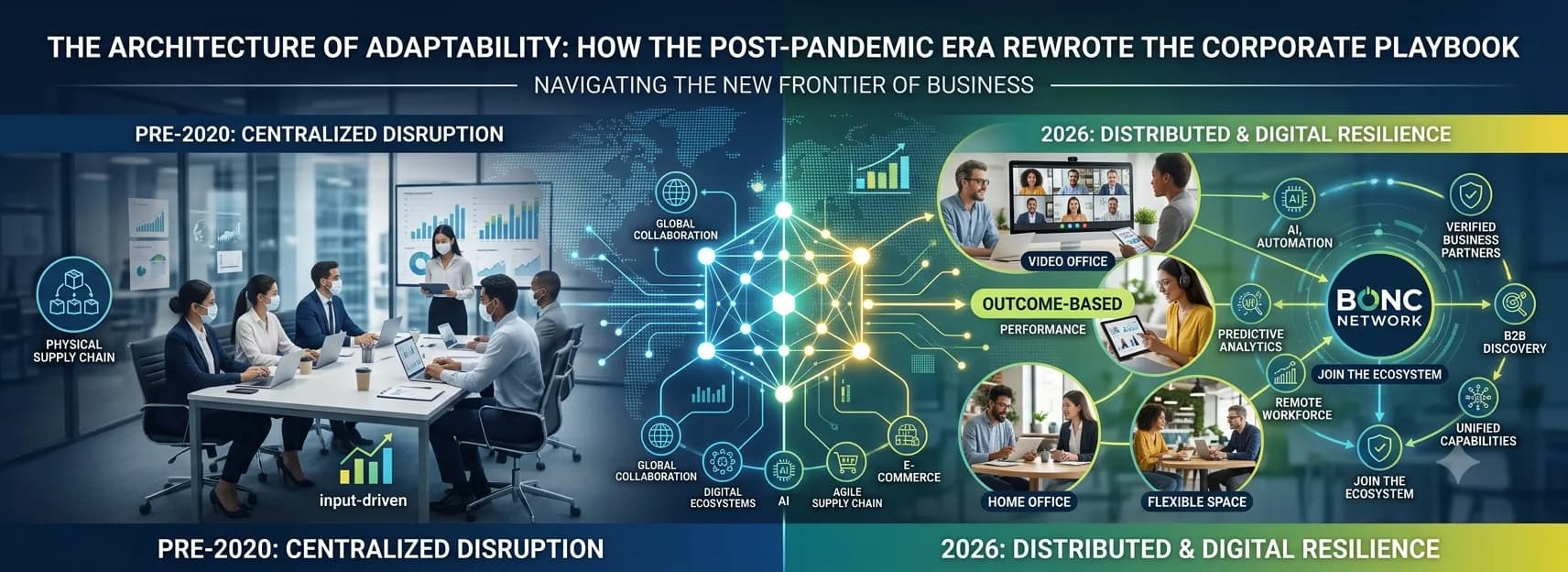
The year 2020 did not just disrupt global markets; it permanently fractured the foundational logic of how commerce operates. If the immediate aftermath of the COVID-19 pandemic was defined by chaotic firefighting and ad-hoc survival tactics, the subsequent years leading to 2026 have witnessed a fundamental, structural rebuilding. We have transitioned from an era of physical-first dependency to an ecosystem governed by continuous digital innovation, distributed operations, and highly volatile consumer behavior. Survival no longer favors the largest or the most deeply capitalized enterprises; it favors the most adaptable. The macro-trends defining today's landscape reveal how business has evolved across operational frameworks, technological adoption, supply chain resilience, and marketplace ecosystems. 1. The Distributed Workforce and the "Outcome-Over-Presence" Paradigm The mandatory work-from-home experiments of the pandemic have solidified into a sophisticated, permanent structural change. In 2026, the corporate world has largely abandoned the binary debate of "remote versus in-office" in favor of a metrics-driven, flexible hybrid model. This evolution shifted leadership philosophies from tracking inputs (hours at a desk) to measuring outcomes (deliverables and key performance indicators). This distributed model has radically expanded corporate talent acquisition. Organizations are no longer bound by a 50-mile radius of a physical headquarters; they scout globally.However, decentralization introduced deep fragmented friction in communication and organizational culture. To counter this, forward-thinking enterprises rely heavily on comprehensive digital business ecosystems. Built to bridge the physical divide, ecosystems like the BONC Network allow dispersed operations to align smoothly by providing unified, cloud-backed spaces where supply chain communications, vendor discovery, and multi-partner networking happen autonomously in one verified location.

#COVID#19
Vikas Garg
Premium Roofing Materials, Floor & Wall Tiles, Roofing Fittings and False Ceiling Solutions in India | MURLI ENTERPRISES
Market Study

Premium Roofing Materials, Floor & Wall Tiles, Roofing Fittings and False Ceiling Solutions in India | MURLI ENTERPRISES

Whether it is a residential home, commercial complex, warehouse, retail showroom, or industrial facility, the quality of construction materials plays a crucial role in determining durability, aesthetics, and long-term value. From strong roofing systems to stylish floor tiles and efficient false ceiling installations, every element contributes to the overall performance and appearance of a building. MURLI ENTERPRISES has established itself as a reliable supplier of roofing materials, floor and wall tiles, roofing fittings, and false ceiling systems, catering to the diverse requirements of builders, contractors, architects, and property owners. By offering quality products across multiple construction categories, the company helps customers simplify procurement while ensuring consistent standards. Why Choosing the Right Building Materials Matters Construction projects often face challenges such as weather exposure, maintenance costs, energy efficiency concerns, and design expectations. Selecting the wrong materials can result in premature repairs, reduced structural performance, and increased operational expenses. Some of the common concerns faced by property owners include: Roof leakage and weather damage Cracked or worn-out flooring Poor interior aesthetics High maintenance requirements Inefficient ceiling systems Difficulty sourcing compatible fittings and accessories This is where a comprehensive supplier like MURLI ENTERPRISES becomes valuable by offering integrated solutions under one roof. Roofing Systems: The First Line of Protection A roof is more than just a covering. It protects occupants, equipment, and interiors from rain, heat, wind, and environmental damage. Durable Roofing Materials MURLI ENTERPRISES supplies roofing materials designed to withstand varying climatic conditions while maintaining structural integrity. Quality roofing products contribute to: Enhanced durability Better weather resistance Reduced maintenance costs Improved building lifespan Greater protection against leaks and corrosion Modern roofing systems are increasingly being chosen for their ability to combine strength with visual appeal, making them suitable for both residential and commercial projects. Essential Roofing Fittings and Accessories Even the best roofing sheets require compatible fittings for optimal performance. Roofing accessories help ensure proper installation, secure fastening, and improved durability. The range of roofing fittings available through MURLI ENTERPRISES supports efficient project execution and long-term reliability, helping contractors achieve professional installation standards. Transforming Interiors with Premium Floor and Wall Tiles Flooring and wall finishes significantly influence the overall appearance of a space. Today’s customers seek solutions that balance aesthetics, durability, and easy maintenance. Flooring That Combines Style and Strength Modern floor tiles offer a wide variety of textures, finishes, and designs suitable for: Homes Offices Hotels Educational institutions Healthcare facilities Commercial complexes MURLI ENTERPRISES supplies flooring solutions that meet both functional and decorative requirements. High-quality tiles can withstand daily wear while maintaining their appearance for years. Wall Tiles for Modern Spaces Wall tiles have become an essential design element in kitchens, bathrooms, commercial interiors, and feature walls. They provide: Easy cleaning Moisture resistance Improved hygiene Decorative appeal Long-lasting performance With evolving architectural trends, customers increasingly prefer wall tile solutions that enhance both practicality and visual impact. False Ceiling Systems: Enhancing Comfort and Design False ceilings have become an integral part of contemporary architecture. Beyond aesthetics, they contribute to improved acoustics, thermal comfort, and organized utility management. Benefits of Installing False Ceilings A professionally designed false ceiling system can provide several advantages: Better Interior Appearance False ceilings create a clean and sophisticated look while concealing electrical wiring, ducts, and structural elements. Improved Energy Efficiency They help reduce heat transfer and support better temperature control within buildings. Enhanced Acoustic Performance Commercial offices, educational facilities, and hospitality spaces often use false ceilings to reduce noise levels and improve comfort. Flexible Design Options Modern false ceiling systems are available in multiple styles, allowing architects and interior designers to achieve customized visual effects. MURLI ENTERPRISES offers solutions that align with contemporary construction and interior design requirements. Supporting Builders, Contractors, and Property Owners One of the biggest challenges in construction is coordinating multiple suppliers for different product categories. Delays, quality inconsistencies, and logistical complications can affect project timelines and budgets. By supplying roofing materials, tiles, roofing fittings, and false ceiling systems, MURLI ENTERPRISES simplifies the procurement process for customers. This comprehensive approach allows contractors and project managers to source essential materials more efficiently. Industries and Projects Served The products supplied by MURLI ENTERPRISES are suitable for a wide range of applications, including: Residential housing projects Commercial buildings Retail outlets Warehouses Industrial facilities Educational institutions Healthcare infrastructure Hospitality projects This versatility makes the company a valuable partner across various segments of the construction industry. Meeting Modern Construction Trends The construction sector continues to evolve with increasing emphasis on sustainability, aesthetics, and performance. Property developers and homeowners now seek materials that deliver long-term value while supporting modern architectural designs. Some current market preferences include: Low-maintenance building materials Energy-efficient roofing solutions Designer wall and floor tiles Durable construction components Functional false ceiling systems Integrated sourcing solutions MURLI ENTERPRISES addresses these evolving demands by offering products that align with contemporary building standards and customer expectations. Digital Visibility for Modern Businesses As buyers increasingly research products and suppliers online, digital business platforms have become important tools for industry visibility. MURLI ENTERPRISES has listed its products and business on BONC Network, allowing customers and industry professionals to discover its offerings more conveniently. Platforms such as BONC Network help bridge the gap between suppliers and potential buyers by providing accessible business information and product visibility in the digital marketplace. What Makes MURLI ENTERPRISES a Preferred Choice? Customers involved in construction and renovation projects often look for suppliers that can provide quality products, dependable availability, and a broad product range. Key strengths associated with MURLI ENTERPRISES include: Diverse construction product portfolio Roofing and ceiling expertise Quality-focused product selection Solutions for residential and commercial projects Support for contractors and builders Efficient sourcing of multiple material categories These advantages help customers streamline project execution while maintaining quality standards. Building Stronger Spaces with the Right Materials Successful construction begins with selecting materials that combine durability, functionality, and aesthetic appeal. Whether the requirement involves roofing systems, floor and wall tiles, roofing fittings, or false ceiling solutions, choosing the right supplier can significantly influence project outcomes. MURLI ENTERPRISES continues to support construction and infrastructure development by providing comprehensive building material solutions designed for modern requirements. With a product range that addresses multiple aspects of construction and interior finishing, the company helps customers create spaces that are durable, efficient, and visually appealing. Its presence on BONC Network further enhances accessibility, making it easier for businesses and customers to connect with reliable construction material solutions.

#RoofingMaterials#FloorTiles#WallTiles
Atanu Das
Premium Marble, Granite, Ceramic & Porcelain Tiles Supplier in India | JAIN MARBLE CENTRE
Market Study

Premium Marble, Granite, Ceramic & Porcelain Tiles Supplier in India | JAIN MARBLE CENTRE

When it comes to designing a beautiful home, office, hotel, or commercial space, the choice of flooring and surface materials plays a major role in defining both aesthetics and durability. Whether it's the timeless elegance of marble, the strength of granite, or the modern appeal of porcelain and ceramic tiles, selecting the right materials can significantly enhance the value and appearance of any property. JAIN MARBLE CENTRE has emerged as a preferred destination for customers seeking premium-quality marble, granite, ceramic tiles, porcelain tiles, and natural stone products. With a diverse product portfolio and a commitment to quality, the company serves homeowners, architects, builders, interior designers, and commercial developers looking for reliable surface solutions. Why Surface Materials Matter More Than Ever Modern construction and interior design trends focus on creating spaces that are visually appealing, durable, easy to maintain, and environmentally responsible. Flooring and wall finishes are no longer just functional elements—they have become essential design statements. High-quality stone and tile products offer several advantages: Long-lasting durability Elegant and premium appearance Low maintenance requirements Resistance to wear and tear Increased property value Versatility in residential and commercial applications This growing demand has encouraged customers to seek suppliers who can provide both variety and quality under one roof. JAIN MARBLE CENTRE addresses these requirements with an extensive range of carefully selected products. A Wide Range of Premium Marble Collections Marble continues to be one of the most sought-after materials in architecture and interior design. Its natural beauty, unique patterns, and luxurious appeal make it a favorite choice for flooring, wall cladding, countertops, and decorative applications. Popular Marble Applications Living room flooring Luxury villa interiors Hotel lobbies Staircases Temple and religious spaces Wall accents JAIN MARBLE CENTRE offers premium marble options suitable for various architectural styles, helping customers achieve elegant and sophisticated interiors. Granite: The Perfect Combination of Strength and Style Granite remains a preferred material for projects requiring exceptional durability and resistance. Its natural hardness and attractive appearance make it ideal for both indoor and outdoor applications. Benefits of Granite High resistance to scratches Heat-resistant surface Suitable for heavy foot traffic Long service life Minimal maintenance Granite products supplied by JAIN MARBLE CENTRE are selected to meet modern construction requirements while maintaining aesthetic excellence. Modern Ceramic Tiles for Contemporary Living Ceramic tiles have become increasingly popular due to their affordability, versatility, and wide variety of designs. Available in multiple colors, textures, and finishes, ceramic tiles allow homeowners and designers to create personalized interiors. Ideal Uses of Ceramic Tiles Kitchen walls Bathroom flooring Balcony spaces Living areas Commercial interiors These tiles offer practical benefits while maintaining an attractive appearance, making them suitable for a wide range of projects. Porcelain Tiles: Advanced Performance with Elegant Designs Porcelain tiles have transformed modern flooring solutions by offering superior durability and moisture resistance. They are engineered to withstand demanding environments while providing a premium visual finish. Why Choose Porcelain Tiles? Low water absorption Excellent durability Easy maintenance Wide range of finishes Suitable for indoor and outdoor use JAIN MARBLE CENTRE provides porcelain tile solutions that cater to both residential and commercial construction projects, helping customers achieve modern and stylish spaces. The Natural Beauty of Stone Products Natural stone remains unmatched in its ability to bring authenticity and character to a property. Every stone slab features unique textures and patterns created by nature, making each installation distinctive. Common Natural Stone Applications Garden pathways Exterior facades Landscape projects Feature walls Outdoor seating areas Natural stone products supplied by JAIN MARBLE CENTRE are selected for their durability, visual appeal, and suitability for diverse architectural applications. Supporting Builders, Architects, and Interior Designers Construction professionals require dependable material suppliers who can consistently provide quality products and timely support. JAIN MARBLE CENTRE works closely with industry professionals to help them source materials that align with project specifications and design objectives. The company's extensive product selection enables architects and designers to explore creative possibilities while ensuring structural and aesthetic requirements are met. Choosing the Right Material for Your Project Selecting the ideal surface material depends on several factors: For Luxury Interiors Marble offers timeless beauty and sophisticated elegance. For High-Traffic Areas Granite provides exceptional durability and strength. For Modern Homes Porcelain tiles deliver contemporary aesthetics with high performance. For Cost-Effective Design Solutions Ceramic tiles provide versatility and affordability. For Outdoor and Landscape Applications Natural stone offers durability and natural charm. Understanding these differences helps customers make informed decisions that align with their budget, style preferences, and functional needs. Digital Visibility and Industry Presence As businesses increasingly adopt digital platforms to connect with customers, visibility has become an important aspect of growth. JAIN MARBLE CENTRE has listed its products and business on BONC Network, making it easier for customers and industry professionals to discover its offerings and explore available stone and tile solutions. Platforms such as BONC Network help bridge the gap between suppliers and buyers by providing access to business information and product categories within a structured marketplace environment. What Sets JAIN MARBLE CENTRE Apart? Several factors contribute to the company's growing reputation among customers and construction professionals: Product Variety A comprehensive selection of marble, granite, ceramic tiles, porcelain tiles, and natural stone products. Quality Focus Carefully sourced materials designed to meet customer expectations. Industry Understanding Knowledge of evolving architectural and interior design trends. Customer-Centric Approach Support for homeowners, contractors, architects, and commercial developers. Reliable Solutions Products suitable for projects of varying sizes and requirements. Building Beautiful Spaces with the Right Materials The foundation of every remarkable space lies in the materials used to create it. From luxurious marble flooring and durable granite surfaces to stylish ceramic and porcelain tiles, selecting premium-quality materials ensures long-term satisfaction and visual appeal. JAIN MARBLE CENTRE continues to support residential and commercial projects by providing a diverse range of high-quality marble, granite, ceramic tiles, porcelain tiles, and natural stone products. By combining product variety, quality standards, and industry expertise, the company helps customers bring their design visions to life while meeting practical construction requirements. For those seeking reliable stone and tile solutions, JAIN MARBLE CENTRE offers products that balance beauty, performance, and lasting value.

#JainMarbleCentre#BONCNetwork#BONCNetworkIndia
Sonu Jha
Best Power Transformer Manufacturer & Electronic Transformer Components Supplier in India | High-Performance Electrical Solutions by ARUN ENTERPRISES (I Power Transformer)
Market Study

Best Power Transformer Manufacturer & Electronic Transformer Components Supplier in India | High-Performance Electrical Solutions by ARUN ENTERPRISES (I Power Transformer)

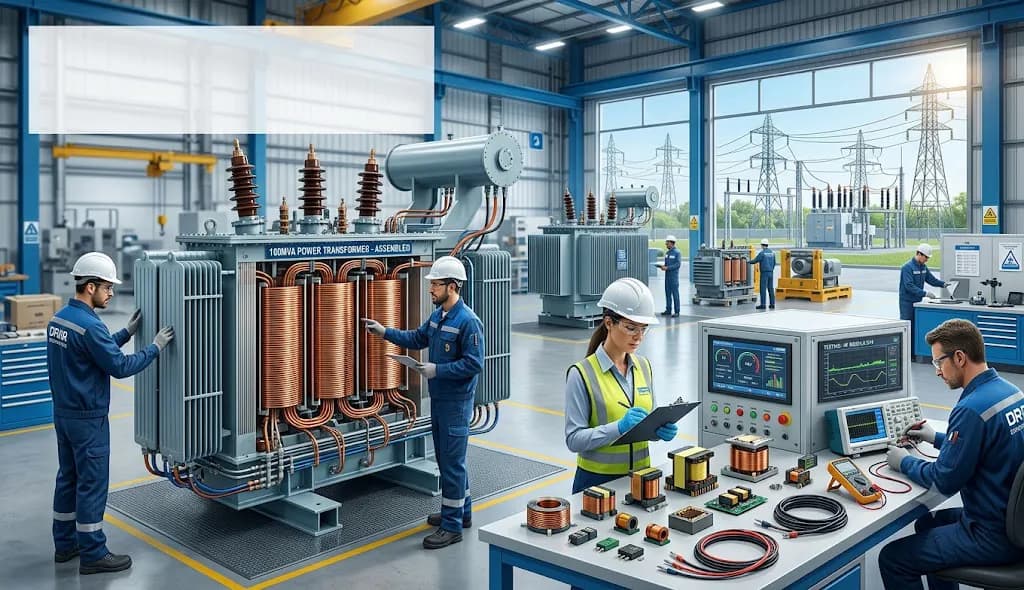
Electricity is the backbone of industrial growth, commercial operations, and modern infrastructure. Behind every stable power distribution system lies a critical component that often goes unnoticed—the transformer. Whether it is a manufacturing facility, a commercial complex, a renewable energy project, or an electrical equipment manufacturer, transformers play a vital role in ensuring efficient voltage regulation and uninterrupted power flow. As industries continue to expand and demand dependable electrical systems, the need for high-quality power transformers and electronic transformer components has become increasingly important. ARUN ENTERPRISES (I Power Transformer) contributes to this growing demand by manufacturing and supplying transformer solutions designed to support diverse industrial and commercial applications. Understanding the Importance of Transformers in Today's Electrical Systems Transformers are essential devices used to transfer electrical energy between circuits while maintaining efficiency and safety. They help increase or decrease voltage levels according to application requirements, ensuring electrical equipment operates smoothly and reliably. From industrial machinery and automation systems to power distribution networks and electronic devices, transformers are present in almost every sector. The quality and performance of these components directly influence energy efficiency, operational reliability, and equipment lifespan. Recognizing these industry requirements, ARUN ENTERPRISES (I Power Transformer) focuses on delivering transformer products that meet modern electrical standards and performance expectations. A Comprehensive Range of Power Transformer Solutions Different industries require different transformer specifications. A one-size-fits-all approach rarely works in electrical engineering. This is why ARUN ENTERPRISES (I Power Transformer) offers a range of transformer products and electronic transformer components designed to address varying operational needs. Power Transformers Power transformers are designed to handle high-voltage electricity transmission and distribution. These transformers are critical for power stations, industrial facilities, and large-scale infrastructure projects. Key advantages include: Efficient voltage conversion Reduced transmission losses Reliable power distribution Enhanced operational safety Long service life By focusing on engineering precision and quality manufacturing, ARUN ENTERPRISES (I Power Transformer) provides solutions that support stable electrical performance across demanding environments. Electronic Transformer Components Electronic transformer components form the foundation of many electrical and electronic systems. These components contribute significantly to transformer efficiency, durability, and overall performance. Applications include: Industrial automation systems Electrical control panels Consumer electronics Power supply units Renewable energy systems Electrical equipment manufacturing Careful component selection and manufacturing processes help ensure consistency and reliability in every application. Why Quality Matters in Transformer Manufacturing A transformer is not simply another electrical component. It is an investment that influences the efficiency and reliability of an entire electrical system. Poor-quality transformers can lead to: Voltage fluctuations Increased energy losses Frequent maintenance requirements Equipment failures Production downtime To avoid these challenges, businesses increasingly seek manufacturers that prioritize quality control, technical expertise, and dependable engineering practices. ARUN ENTERPRISES (I Power Transformer) emphasizes manufacturing standards that support product durability, operational efficiency, and dependable performance under varying load conditions. Supporting Multiple Industries Through Customized Solutions Every industry faces unique electrical challenges. A manufacturing plant may require heavy-duty power handling capabilities, while an electronics manufacturer may focus on precision transformer components. Industrial Manufacturing Factories depend on stable power supply to maintain productivity and prevent costly interruptions. High-performance transformers help support continuous machine operation and optimized energy usage. Commercial Infrastructure Shopping complexes, office buildings, educational institutions, and healthcare facilities require reliable electrical distribution systems. Proper transformer selection contributes to safe and efficient power management. Renewable Energy Projects As solar and renewable energy installations continue to grow, transformer technology plays a crucial role in converting and distributing generated electricity. Transformer components must deliver both efficiency and reliability to maximize project performance. Electrical Equipment Manufacturers Manufacturers of electrical systems and equipment rely on quality transformer components to ensure their products meet customer expectations and industry requirements. What Customers Look for in a Transformer Supplier When selecting a transformer manufacturer or supplier, customers often evaluate several important factors: Technical Expertise A supplier with industry knowledge can better understand application requirements and recommend suitable solutions. Product Reliability Consistent performance is essential, especially in critical electrical applications where downtime can result in significant financial losses. Quality Assurance Comprehensive testing and quality control processes help ensure that transformers perform as intended under real-world operating conditions. Timely Supply Reliable product availability enables businesses to maintain project schedules and operational continuity. ARUN ENTERPRISES (I Power Transformer) works to address these expectations by focusing on product quality, manufacturing consistency, and customer-oriented service. The Growing Demand for Energy-Efficient Transformer Technology Energy efficiency has become a major consideration across industries. Organizations are seeking solutions that help reduce operational costs while supporting sustainability goals. Modern transformer technology contributes to these objectives through: Lower energy losses Improved power management Better system efficiency Enhanced equipment protection Reduced maintenance requirements As energy regulations and environmental expectations continue to evolve, the importance of efficient transformer solutions is expected to grow even further. Digital Visibility and Industry Connectivity In addition to manufacturing and supplying transformer solutions, businesses today benefit from stronger digital visibility and professional networking opportunities. ARUN ENTERPRISES (I Power Transformer) has listed its products and business on BONC Network, allowing customers and industry professionals to discover its offerings more easily. Such digital business platforms help bridge the gap between manufacturers, suppliers, and potential buyers looking for specialized electrical solutions. Industry-focused platforms like BONC Network also support greater visibility for businesses operating in highly technical sectors such as transformer manufacturing and electrical component supply. Building Long-Term Value Through Reliable Electrical Solutions Electrical systems are expected to operate safely and efficiently for years. Choosing the right transformer manufacturer can significantly influence operational performance, maintenance costs, and long-term reliability. By focusing on quality manufacturing, dependable transformer products, and industry-specific requirements, ARUN ENTERPRISES (I Power Transformer) continues to serve organizations seeking reliable power transformer and electronic transformer component solutions. Conclusion The demand for dependable power distribution and efficient electrical systems continues to rise across industries. From industrial facilities and commercial infrastructure to renewable energy projects and equipment manufacturing, transformers remain a critical part of modern operations. ARUN ENTERPRISES (I Power Transformer) contributes to this essential sector by manufacturing and supplying power transformers and electronic transformer components designed to support performance, efficiency, and reliability. With a commitment to quality and a growing presence through platforms such as BONC Network, the company remains well-positioned to serve the evolving needs of today's electrical and industrial landscape.

#PowerTransformer#TransformerManufacturer#ElectronicTransformer
Abhishek Pandit
Best Door & Window Hardware in India | Premium Hinges, Fittings & Industrial Hardware Solutions by J P SHYAM & SON
Market Study

Best Door & Window Hardware in India | Premium Hinges, Fittings & Industrial Hardware Solutions by J P SHYAM & SON

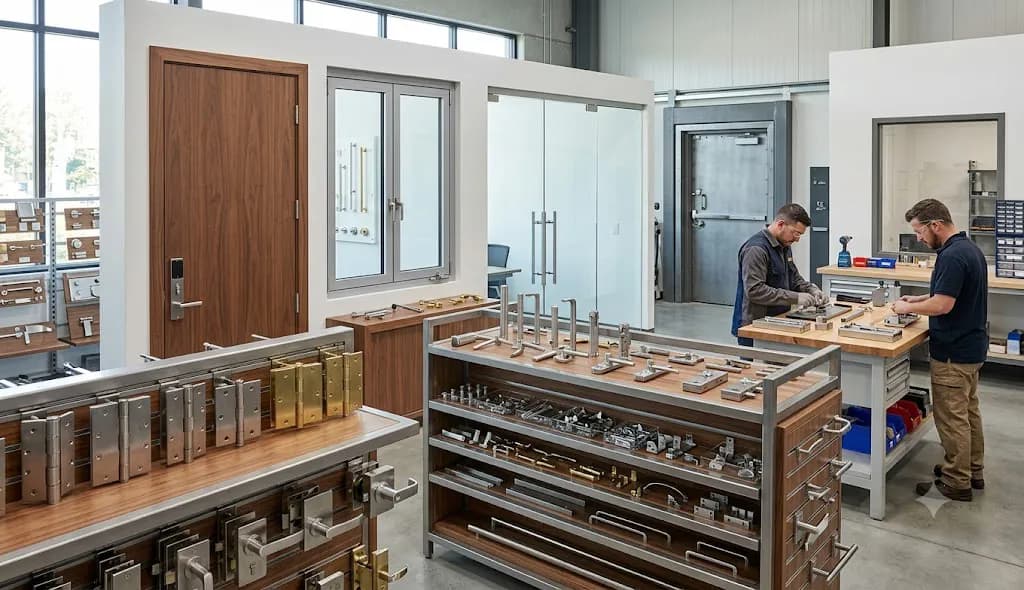
Doors and windows are among the most frequently used components in any building. Whether it is a family home, a corporate office, a retail showroom, or an industrial facility, the performance of doors and windows largely depends on the quality of the hardware installed. Hinges, fittings, locks, handles, brackets, and supporting accessories may appear small, but they play a vital role in safety, durability, and convenience. J P SHYAM & SON specializes in supplying high-quality door and window hardware designed to meet the demands of residential, commercial, and industrial applications. With a focus on durability, precision, and long-term performance, the company provides solutions that help customers achieve reliable functionality and enhanced aesthetics for their spaces. Why Hardware Quality Matters More Than Ever When selecting doors and windows, many buyers focus on design, material, and appearance. However, the hardware is what keeps these systems functioning smoothly day after day. Poor-quality hinges and fittings often lead to: Frequent maintenance issues Misaligned doors and windows Premature wear and tear Reduced security Increased replacement costs Choosing premium hardware ensures smoother operation, longer service life, and greater overall value. This is where J P SHYAM & SON delivers dependable products that support both performance and durability. Built for Everyday Reliability Every building has unique requirements. A residential apartment may need aesthetically pleasing hardware that complements interiors, while an industrial facility requires components capable of handling heavy usage and challenging environments. J P SHYAM & SON understands these varying needs and offers hardware solutions engineered for different applications. Residential Hardware Solutions Modern homes demand a balance of functionality and design. Homeowners seek hardware that not only performs efficiently but also enhances the visual appeal of doors and windows. The company's residential product range supports: Main entrance doors Interior room doors Balcony doors Sliding windows Wooden and metal frames These products are designed to provide smooth movement, secure installation, and lasting performance in daily household use. Commercial Building Applications Commercial spaces experience significantly higher traffic than residential properties. Offices, hotels, educational institutions, shopping complexes, and healthcare facilities require hardware that can withstand continuous operation. J P SHYAM & SON supplies durable fittings suitable for: Office entrances Conference rooms Retail outlets Hospitality establishments Institutional buildings The emphasis remains on strength, reliability, and reduced maintenance requirements. Industrial-Grade Hardware Industrial environments often present demanding conditions including heavy loads, frequent operation, and exposure to varying temperatures. To address these challenges, the company offers hardware solutions engineered for: Warehouses Manufacturing facilities Industrial workshops Storage units Utility structures These products are selected for their durability and ability to perform consistently under rigorous usage. A Closer Look at the Product Range One of the strengths of J P SHYAM & SON lies in its comprehensive range of door and window hardware products. Heavy-Duty Hinges Hinges are the backbone of every door and window system. The company offers high-quality hinges designed to provide: Smooth movement Strong load-bearing capacity Corrosion resistance Long operational life Suitable for wooden, aluminum, steel, and specialized applications, these hinges help ensure reliable performance over time. Door Fittings The company supplies various door fittings that contribute to safety, functionality, and convenience. Features include: Robust construction Precision manufacturing Easy installation Consistent performance These fittings are suitable for both new construction projects and renovation work. Window Hardware Components Window systems require carefully designed fittings to maintain smooth operation and proper alignment. J P SHYAM & SON provides hardware solutions that support: Sliding windows Casement windows Ventilation systems Customized window installations The products help improve usability while maintaining structural integrity. Supporting Hardware Accessories Beyond hinges and primary fittings, the company also offers a range of supporting hardware accessories that contribute to complete installation solutions. These components are selected to ensure compatibility, durability, and reliable performance across diverse projects. Meeting the Needs of Modern Construction Construction standards continue to evolve as architects, builders, and property owners prioritize quality, safety, and longevity. Today's projects require hardware that delivers: Long-term reliability Corrosion resistance Precision engineering Enhanced safety Professional appearance J P SHYAM & SON aligns its offerings with these expectations by providing products that support modern building requirements while maintaining practical value for customers. What Customers Look for in Hardware Suppliers Selecting a hardware supplier is about more than simply purchasing products. Buyers often seek consistency, product availability, and confidence in performance. Customers choose reliable suppliers based on: Product Quality Durable materials and precise manufacturing contribute significantly to the lifespan of hardware products. Wide Selection A broad product range simplifies procurement and ensures compatibility across different projects. Technical Understanding Knowledge of application requirements helps customers choose the right hardware solutions for specific needs. Consistent Supply Reliable product availability is essential for contractors, builders, fabricators, and project managers working on strict timelines. These factors continue to strengthen the value offered by J P SHYAM & SON in the hardware sector. Supporting Businesses Through Digital Visibility As procurement processes become increasingly digital, businesses and buyers often search online for reliable suppliers and product information. To enhance its visibility and connect with a wider audience, J P SHYAM & SON has listed its products and business on BONC Network. This enables potential customers, contractors, and industry professionals to discover relevant hardware solutions more efficiently. The growing use of platforms such as BONC Network reflects how modern businesses are combining product quality with digital accessibility to serve customers better. Delivering Value Beyond the Product The true value of quality hardware becomes evident over years of use. Reliable hinges and fittings reduce maintenance costs, minimize operational disruptions, and contribute to overall building safety. By focusing on durable construction, practical functionality, and customer requirements, J P SHYAM & SON helps residential, commercial, and industrial customers invest in hardware solutions that deliver lasting performance. The Foundation of Every Strong Door and Window Behind every smoothly operating door and securely fitted window is dependable hardware. While often overlooked, these components are essential to the comfort, safety, and efficiency of any building. J P SHYAM & SON continues to provide high-quality door and window hardware solutions that support diverse applications across residential, commercial, and industrial sectors. Through durable hinges, precision fittings, and a commitment to quality, the company contributes to stronger structures and more reliable building performance. With its presence on BONC Network and a focus on meeting evolving industry needs, J P SHYAM & SON remains a valuable source for customers seeking dependable hardware solutions built for long-term success.

#DoorHardware#WindowHardware#Hinges
Shyam Mudli
Healthcare Products & Medical Aids in India | Better Living, Home Care Solutions & Wellness Support by Religin Care
Market Study

Healthcare Products & Medical Aids in India | Better Living, Home Care Solutions & Wellness Support by Religin Care

Good health is not only about treatment—it is also about prevention, comfort, recovery, and maintaining independence in daily life. From individuals managing chronic conditions to seniors seeking mobility support and caregivers looking for reliable healthcare solutions, quality healthcare products play a vital role in improving overall well-being. Religin Care is dedicated to providing healthcare products and medical aids that help individuals live more comfortably, safely, and confidently. With a focus on quality, functionality, and user convenience, the company offers a wide range of products designed to support healthier lifestyles and better patient care. Why Healthcare Products Matter in Daily Life Healthcare products are no longer limited to hospitals and clinics. Today, people increasingly use medical aids and wellness products at home, in workplaces, rehabilitation centers, and elderly care facilities. These products help users: Monitor health conditions effectively Improve mobility and independence Support recovery after illness or surgery Enhance personal comfort and safety Reduce the burden on caregivers Promote long-term wellness and preventive care As healthcare awareness continues to grow, reliable medical aids have become essential tools for maintaining a better quality of life. Understanding Modern Healthcare Needs Every individual has unique healthcare requirements. Some may need mobility assistance, while others require monitoring devices, rehabilitation equipment, or daily living aids. Religin Care recognizes these diverse needs and provides solutions that are designed to make healthcare more accessible and manageable. By offering dependable healthcare products, the company helps bridge the gap between professional medical care and everyday living. Supporting Patients Beyond Hospitals Healthcare does not end when a patient leaves a medical facility. Recovery and ongoing care often continue at home, where the right equipment can significantly improve outcomes. Products that assist with mobility, monitoring, comfort, and rehabilitation enable patients to regain confidence while reducing unnecessary stress for family members and caregivers. Product Categories Offered by Religin Care Religin Care provides a comprehensive selection of healthcare products and medical aids designed to support people at different stages of life and health management. Mobility Assistance Solutions Mobility aids help individuals move safely and independently. These products are especially beneficial for seniors, patients recovering from surgery, and individuals with physical challenges. Common mobility support products include: Wheelchairs Walkers Walking sticks Crutches Mobility accessories These solutions help improve movement while minimizing the risk of falls and injuries. Home Healthcare Equipment The demand for home healthcare equipment has increased significantly as more families prefer convenient care at home. Such products may include: Health monitoring devices Patient care equipment Supportive healthcare accessories Daily wellness tools These products enable individuals to monitor and manage their health comfortably from home. Rehabilitation and Recovery Aids Recovery often requires specialized support to restore strength and mobility. Rehabilitation products assist users during the healing process and contribute to better recovery experiences. Benefits include: Improved physical support Enhanced comfort during recovery Better rehabilitation outcomes Increased patient confidence Elderly Care Products As the population ages, the need for dependable elderly care products continues to grow. Religin Care offers solutions designed to help senior citizens maintain independence while ensuring safety and comfort. These products can make daily activities easier and improve overall quality of life. What Makes Quality Healthcare Products Important? Choosing healthcare products is not simply about availability—it is about reliability, durability, safety, and effectiveness. User Comfort Healthcare products are often used for extended periods. Comfortable designs help users maintain regular use without unnecessary discomfort. Safety Standards Products designed for healthcare applications must meet high standards of quality and safety to ensure dependable performance. Ease of Use Simple, user-friendly products are especially valuable for elderly users, caregivers, and individuals recovering from illness. Long-Term Value Durable healthcare equipment reduces replacement costs and provides consistent support over time. Religin Care focuses on offering products that combine these essential qualities to meet the practical needs of users. Healthcare Trends Driving Better Living The healthcare industry is evolving rapidly, with increasing emphasis on preventive care, home-based treatment, and patient empowerment. Several key trends are shaping the market: Growing Home Healthcare Adoption Many families now prefer healthcare solutions that allow patients to remain in familiar home environments while receiving appropriate support. Increased Health Awareness Consumers are becoming more proactive about monitoring and maintaining their health, driving demand for healthcare devices and wellness products. Focus on Senior Care The growing elderly population has increased the need for mobility aids, supportive equipment, and daily living assistance products. Technology-Driven Healthcare Modern healthcare products increasingly incorporate innovative features that improve accuracy, convenience, and user experience. By staying aligned with these evolving trends, Religin Care continues to offer solutions that address real-world healthcare challenges. A Reliable Partner for Healthcare Support Healthcare products impact not only patients but also caregivers, healthcare professionals, and family members. Reliable equipment helps simplify care routines, improve patient comfort, and create safer living environments. Businesses that prioritize quality and customer satisfaction contribute significantly to better healthcare experiences. Religin Care remains committed to providing dependable medical aids and healthcare products that support users in their daily lives. The company's growing presence also allows customers and businesses to discover its offerings through BONC Network, where Religin Care has listed its products and business information for broader visibility and accessibility. Choosing the Right Healthcare Products Before selecting any healthcare aid, it is important to consider: Individual health requirements Product quality and durability Ease of operation Safety features Professional recommendations Long-term usability Making informed decisions helps users gain the maximum benefit from healthcare products while improving overall well-being. Conclusion Healthcare products and medical aids have become essential components of modern living. Whether supporting recovery, enhancing mobility, assisting elderly care, or promoting everyday wellness, the right products can make a meaningful difference in people's lives. Religin Care continues to contribute to this important sector by providing healthcare products designed to improve comfort, safety, independence, and quality of life. As awareness around health and wellness grows, dependable healthcare solutions remain crucial for individuals, families, and caregivers alike. With its commitment to better living and its presence on BONC Network, Religin Care is helping connect people with healthcare products that support healthier, more comfortable, and more confident lifestyles.

#HealthcareProducts#MedicalAids#HomeHealthcare
Amit Goyal
India’s Strategic $22 Billion Defense Modernization Surge
Industry Report

India’s Strategic $22 Billion Defense Modernization Surge

In an assertive push to safeguard national sovereignty, enhance multi-domain deterrence capabilities, and systematically reshape the regional balance of power, New Delhi has granted in-principle administrative approval for a massive ₹2.12 trillion ($22.27 billion) military spending blueprint . This major financial outlay comes at a critical juncture as continuous strategic requirements along the 3,488-kilometer Line of Actual Control (LAC) with China necessitate high-altitude defense readiness, advanced technological integration, and high-velocity battle-space awareness. Rather than relying purely on legacy force deployments, India’s latest defense modernization initiative signals a profound structural shift: integrating autonomous domain dominance, deep surveillance networks, localized defense-industrial manufacturing, and rapid-response tactical infrastructure across key border sectors. Chaired by the Union Ministry of Defence under the Defence Acquisition Council (DAC), this move accords Acceptance of Necessity (AoN) to a spectrum of cutting-edge land, air, and maritime defense platforms. Key Strategic Pillars Driving the $22 Billion Capital Deployment Multi-Domain Capability Overhaul: Directs capital across high-altitude artillery systems, autonomous counter-drone shields, long-range loitering munitions, and specialized naval electronic countermeasures. Indigenous Sourcing Imperative: Targets an ambitious 82% domestic procurement reserve , channeling the vast majority of production mandates toward public sector defense units and domestic technology conglomerates. Accelerated Sanction Velocity: Pushes cumulative military procurement clearances past ₹3.70 trillion ($40+ billion) within a single fiscal year timeframe, reflecting unprecedented administrative agility in clearing defense hardware acquisitions. Asymmetric Technological Balance: Focuses heavily on network-centric warfare tools, real-time aerial sensor integration, counter-UAS platforms, and intelligent target acquisition to neutralize force-asymmetry challenges across rugged Himalayan geography. Detailed Data Breakdown and Fiscal Metrics The newly sanctioned budget framework builds upon India’s expanding national defense capital expenditure allocation. To understand the scale, velocity, and focus of this massive rollout, examine the foundational figures driving this authorization: Total DAC Clearance Approval: ₹2,12,000 Crore ($22.27 Billion USD) dedicated primarily to capital acquisition, advanced tech integration, and border hardware modernization. Cumulative Fiscal Approvals: ₹3,70,000 Crore cleared across recent administrative procurement cycles, marking one of the fastest capital sanction drives in modern Indian defense history. Global Procurement Standing: India accounts for approximately 8.2% of global major arms imports , making it the world’s second-largest defense importer—a posture New Delhi intends to systematically transform via localized procurement mandates. Domestic Defense Sector Allocation: Over ₹1,73,800 Crore (~$18.2 Billion) of the new outlay is reserved explicitly for Indian original equipment manufacturers (OEMs), defense technology innovators, and private engineering firms. Core Impact Areas: Modernization in Focus 1. High-Altitude Surveillance, Tactical UAVs, and Loitering Munitions A substantial portion of the approved capital explicitly targets aerial domain awareness and precision strike capability. Strategic acquisitions focus on long-range Unmanned Aerial Systems (UAS) capable of continuous, all-weather reconnaissance across high-altitude border regions including Eastern Ladakh, Sikkim, and Arunachal Pradesh. These platforms will operate alongside long-range kamikaze drone systems and Integrated Surveillance and Strike Systems, ensuring squad-level visibility coupled with instantaneous real-time strike capabilities. 2. Counter-Drone Shields and Air Defense Systems Recognizing the rapid proliferation of unmanned strike threats and drone swarms in modern theater warfare, New Delhi is deploying multi-layered air defense systems. Approvals cover Very Short-Range Air Defense Systems (VSHORADS) alongside Platform-Based Counter-Unmanned Aerial Systems (C-UAS). These systems combine electronic warfare jamming suites with kinetic interception capabilities to secure forward bases, logistical choke points, and tactical staging areas along sensitive border frontiers. 3. Precision Long-Range Firepower and Tactical Mobility High-altitude standoff experience along mountain corridors has underscored the vital importance of high-mobility heavy firepower. The procurement plan includes Self-Propelled Tracked Gun Systems, High Mobility Vehicles (HMVs) for troop and supply transit across rugged terrain, Gun Shot Response Systems (GSRS) for instantaneous counter-battery detection, and specialized Light Multi-Role Helicopters (LMRH) tailored for high-altitude vertical insertion. 4. Naval Dominance and Maritime Security While land and air boundaries require immediate reinforcement, India continues to secure its maritime flank across the Indian Ocean Region (IOR). The Navy receives capital allocations for Active Offboard Decoy Systems (AODS) and major naval defense platforms, protecting carrier strike groups and surface assets against anti-ship missile threats and submarine tracking. 5. Tactical Weather Intelligence and Border Infrastructure Support Modern high-altitude defense warfare relies on accurate environmental data. The Air Force segment of the capital package incorporates Mobile X-Band Doppler Weather Radars, enabling precision flight planning, artillery trajectory calculations, and missile guidance under dynamic Himalayan atmospheric conditions. Industrial Strategy: Local Manufacturing vs. Global Technology Fusion India’s defense modernization strategy relies on a balanced dual-track model. Under the Make in India and Atmanirbhar Bharat policies, domestic manufacturing receives priority allocation, fostering an ecosystem of domestic defense suppliers. Concurrently, the rapid evolution of modern defense hardware encourages global technology partnerships. International aerospace and defense contractors are engaging in technology transfers, joint design ventures, and co-production agreements covering specialized optics, radar sensors, micro-electronics, and jet propulsion systems. Geopolitical Outlook and Regional Deterrence New Delhi’s approval of $22 billion in military procurement reinforces a long-term strategic principle: border stability is fundamentally linked to unshakeable defensive strength. By directing capital into high-tech ISR, autonomous drone networks, air defense coverage, and high-altitude mobility, India reinforces its operational posture along its northern borders. As these capital clearances transition into signed production contracts and active deployments over the coming quarters, the Indian Armed Forces are set to gain greater technological autonomy, higher battlefield agility, and resilient multi-theater readiness. Team BONC Network October 26, 2026

#IndiaDefense#DefenseModernization#IndianArmedForces
BONC NETWORK
Nvidia’s $12.9B Hugging Face Deal - DOJ Expands Antitrust Inquiry
Industry Report

Nvidia’s $12.9B Hugging Face Deal - DOJ Expands Antitrust Inquiry

Executive Summary Transaction Value: $12.93 billion total transaction value, comprising approximately $11.9 billion in equity/cash value and a $1 billion operational retention fund. Core Investigation Target: The U.S. Department of Justice (DOJ) is investigating whether acquiring the dominant open-source repository gives a single hardware manufacturer total control over the primary distribution pipeline for artificial intelligence software. Broader Regulatory Probe: The Hugging Face acquisition has been formally tied into a multi-year antitrust investigation into semiconductor supply chain dominance, which also targets previous transactions including SchedMD ($2025$), Run:ai, and talent/licensing arrangements with Groq ($20 billion aggregate framework). Target Completion: The acquisition is projected to close in the first half of 2027 , pending antitrust approvals. Federal antitrust regulators at the U.S. Department of Justice have formally expanded an active, multi-pronged anti-monopoly probe into the high-performance computing hardware sector, focusing heavily on Nvidia’s definitive $12.93 billion agreement to acquire Hugging Face. The regulatory scrutiny focuses on platform neutrality, open access, and software distribution across global AI infrastructure. Key Scrutiny Vectors Under Inquiry Control of AI Distribution Hubs: Antitrust regulators are examining whether acquiring the world's largest open-source hub—hosting millions of datasets, open-weight models, and developer tools—creates a single chokehold over developer software distribution networks. Cross-Architecture Hardware Neutrality: Regulatory officials are questioning whether post-acquisition software optimizations could give proprietary accelerator processing units unfair technical advantages over competing processing chips or alternative cloud platforms. Pattern of Infrastructure Consolidation: The DOJ inquiry incorporates the Hugging Face deal into a broader review of hardware and software acquisitions, including supercomputing workload management tool SchedMD, efficiency software creator Run:ai, and high-value technology licensing/hiring deals with Groq. Industry Impact & Platform Guarantees In response to federal inquiries, executive leadership has maintained that Hugging Face will remain an open, platform-neutral hub supporting third-party hardware architectures, competing cloud networks, and open frameworks. While no formal enforcement action or injunction has been filed, regulators continue to solicit feedback from competing hardware developers and cloud providers to determine if platform ownership threatens market competition across the digital supply chain. Industry Impact Analysis: Developers & Cloud Infrastructure The Department of Justice’s probe into Nvidia’s $12.93 billion acquisition of Hugging Face highlights structural shifts across the broader software and hardware supply chains. Below is an examination of how this inquiry and potential acquisition directly affect open-source developers and third-party cloud infrastructure providers. Impact on Open-Source AI Developers Neutrality and Platform Independence: Hugging Face acts as the central hub for open-weight models, hosting over millions of shared datasets, model weights, and application spaces. Developers rely on its vendor-agnostic foundation. The primary concern among open-source builders is whether default optimization layers will subtly favor CUDA-native acceleration over open frameworks. Developer Workflow Integration: Nvidia’s integration could streamline deployment pipelines by embedding specialized libraries directly into standard Hugging Face workflows. While this improves performance out-of-the-box for standard compute setups, developers using non-standard or custom accelerator architectures fear increased integration friction. Preservation of Open Access: Regulators are examining whether free-tier hosting, open model repositories, and public spaces will remain fully subsidized or shift toward monetized, hardware-bound enterprise features over time. Impact on Third-Party Cloud Providers Hyperscaler Competition: Major cloud platforms—such as Amazon Web Services, Google Cloud, and Microsoft Azure—rely heavily on Hugging Face hosted container instances. Ownership by a single hardware manufacturer raises strategic questions about compute-tier neutrality and direct cloud partnership dynamics. Alternative Hardware Providers: Emergent processing unit manufacturers and custom silicon designers face potential distribution bottlenecks if model optimization presets default to established proprietary chip architecture. Deployment Portability: Enterprise cloud architects are increasingly evaluating containerized, multi-repository strategies to prevent vendor lock-in and ensure models can be seamlessly migrated across diverse infrastructure environments. Long-Term Market Implications Federal regulatory oversight serves as a stabilizing force to ensure that commitments to vendor-neutral distribution, open model hosting, and cross-architecture interoperability are enforced throughout the multi-year approval process.

#AI#Antitrust#Semiconductors
BONC NETWORK
Dubai's Strategic Leap: Sheikh Hamdan Approves $544M Urban Plan, Sustainable Population Policy, and Digital Authorisation System
Industry Report

Dubai's Strategic Leap: Sheikh Hamdan Approves $544M Urban Plan, Sustainable Population Policy, and Digital Authorisation System

The Executive Council of Dubai, led by Sheikh Hamdan bin Mohammed bin Rashid Al Maktoum—Crown Prince of Dubai, Deputy Prime Minister, and Minister of Defense—has rolled out a comprehensive multi-pillar policy package. Designed to synchronize urban growth, demographic management, and digital government infrastructure, the sweeping initiatives aim to generate an estimated AED 20 billion boost in real estate values while setting new global benchmarks for urban living and digital public services. Q: What was announced? Dubai’s Executive Council, led by Sheikh Hamdan, approved a major three-part policy package covering urban center redevelopment, sustainable demographic planning, and digital government authorizations. Q: Where is the money going? Over AED 2 billion ($544.6M) will fund the Urban Centres Development Plan , targeting 48 specific districts (6 main hubs + 42 sub-centers). The goal is to bring public service coverage in these zones from 74% to 85% and reduce transit times between homes and workplaces. Q: What is the financial upside? Real estate valuations in these 48 targeted areas are projected to jump by AED 20 billion ($5.45B) by 2040. Q: How does the new Digital Authorisation System work? Using UAE PASS , individuals and businesses can digitally grant authorization to third parties for low-risk transactions—completely eliminating traditional notary public visits and paper processes while maintaining 100% fraud protection. 1. The Urban Centres Development Plan ($544.6 Million Investment) At the forefront of the announcement is a capital allocation exceeding AED 2 billion ($544.6 million) through 2040, aimed at restructuring 48 urban districts across the emirate. Decentralized Footprint: The blueprint targets 6 main urban centres and 42 supporting sub-centres , encompassing roughly 12 percent of Dubai’s total urban area. Infrastructure Enhancement: Public service and municipal coverage across these designated zones is projected to rise from 74 percent to 85 percent. Economic Valuation: Beyond localized community development, the plan is structured to unlock an estimated AED 20 billion in property value uplift , bridging the physical gap between residential districts and employment hubs. 2. Sustainable Population Planning Policy Complementing the spatial development strategy, the Executive Council approved the Sustainable Population Planning Policy , a data-driven framework linking demographic shifts directly to economic and urban forecasting. Anticipating Growth: The policy leverages advanced population forecasts to project future service and infrastructure needs, ensuring development aligns with the realities of a cosmopolitan community comprising over 200 nationalities. Targeting High-Productivity Jobs: By aligning population growth with the targets of the Dubai Economic Agenda (D33) , the framework supports job creation in high-productivity sectors, attracts global talent, raises average family incomes, and reinforces local purchasing power. Optimizing Existing Assets: The initiative focuses on maximizing the efficiency and sustainability of current infrastructure, ensuring municipal growth matches the aspirations of both citizens and residents. 3. Digital Authorisation System for Individuals and Companies To advance public sector digital transformation, the Council approved a new Digital Authorisation System , operated via a unified platform developed by Digital Dubai. Paperless Delegations: The system enables individuals and companies to securely authorize third parties to complete low-risk government transactions on their behalf without requiring traditional notary public or legal attestation procedures. Security & Efficiency: Built on UAE PASS digital identity verification, the platform targets a 100 percent digital experience, complete effectiveness in mitigating fraud and operational disputes, and a 90 percent score on the Customer Effort Index. Global Smart City Standing: Coming on the heels of Dubai ranking second globally in the 2026 Smart City Index , the system reinforces the emirate's push toward frictionless, real-time, paperless government administration. In Brief: A Unified Blueprint for Future Growth Dubai’s latest policy approvals reflect an integrated governance approach where spatial infrastructure, demographic planning, and digital administration operate as a single engine. By combining heavy capital deployment in regional urban centers with advanced population forecasting and secure digital tools, Dubai continues to cement its competitive edge as a global hub for talent, investment, and enterprise. In tandem with a data-backed Sustainable Population Policy, Dubai is setting a global benchmark for how digital-first infrastructure directly powers economic competitiveness. Dubai | October 27, 2026

#SheikhHamdan#DubaiExecutiveCouncil#DubaiVision2040
Consulting Expert
Anthropic’s Landmark S-1 Public Filing: Scale, Financial Liabilities, and Mission Governance
Analysis

Anthropic’s Landmark S-1 Public Filing: Scale, Financial Liabilities, and Mission Governance

San Francisco / Global Tech Analysis | October 27, 2026 The registration statement filed by Anthropic —the artificial intelligence research organization and developer behind the Claude model family—has provided the global financial and technology sectors with an unprecedented look into the hyper-scale economics driving frontier AI. Anthropic's S-1 prospectus reveals an operational landscape defined by rapid revenue acceleration, immense noncancelable computing obligations, non-cash equity accounting adjustments, and a specialized corporate governance framework designed to balance commercial expansion with AI safety mandates. As the organization prepares for an initial public offering targeting a valuation between $1.5 trillion and $2 trillion , this analysis breaks down the core structural insights from the filing. 1. Top-Line Acceleration vs. Noncancelable Infrastructure Liabilities The central structural tension highlighted in Anthropic's prospectus is the direct link between enterprise software adoption and long-term capital commitments required to sustain foundation models. Key Qualitative Insights: Explosive Top-Line Trajectory: Demonstrating strong commercial product-market fit, Anthropic reported $16.3 billion in revenue for the first half of the year , representing a fourteen-fold (1,300%+) increase compared to $1.16 billion in the same period the previous year. This growth is primarily driven by enterprise integration of the Claude API suite, agentic developer workflows, and expanding enterprise spending across key corporate cohorts. Long-Term Infrastructure Locking: To support its training and inference requirements, Anthropic disclosed more than $475 billion in compute capacity agreements with multi-year cloud partners. The filing notes that these contracts are overwhelmingly noncancelable , obligating the organization to fixed hardware and energy outlays over extended horizons regardless of future market fluctuations. Capital-Intensive Model Economics: Securing hundreds of billions in infrastructure commitments highlights that competitiveness in frontier AI is directly bound to capital depth, data center access, and power supply allocation. Servicing these fixed obligations requires Anthropic to sustain continuous revenue growth at scale. 2. The Profitability Paradox: Operational Focus vs. Non-Cash Accounting Adjustments Anthropic’s financial disclosures present a distinction between core operational results and total reported net income. Key Qualitative Insights: Accounting Loss Mechanics: The prospectus reported a net loss of $80.7 billion for the first half of the year. The filing clarifies that roughly $72.4 billion of this total stems from non-cash accounting adjustments related to the fair-value remeasurement of convertible instruments and equity obligations as the enterprise valuation rose. These charges represent equity accounting entries rather than direct operational cash burn. Underlying Operational Execution: Anthropic recorded an operating loss of $693 million against $16.3 billion in revenue during the first half. This operational performance indicates that direct serving, unit-level inference costs, and baseline administrative expenses are stabilizing as revenue volume expands. Balance Sheet Liquidity Buffer: To manage capital outlays and maintain operational runway, Anthropic holds $112.4 billion in cash and cash equivalents . This liquidity reserve provides a buffer to cover ongoing compute commitments and support research and development initiatives. 3. Public Offering Architecture, Governance, and Risk Profile The capital structure of the proposed offering and the explicit risk disclosures position Anthropic in a unique category among public market technology listings. Key Qualitative Insights: Landmark Offering Scope: Aiming to raise approximately $100 billion at a targeted public valuation of $1.5 trillion to $2.0 trillion , the offering is designed to fund next-generation compute clusters, custom hardware access, and global enterprise operations. Mission-Oriented Governance: Operating as a Public Benefit Corporation (PBC), Anthropic incorporates unusual governance arrangements that prioritize safe and aligned AI development over short-term financial optimization. These mechanisms leave ordinary public equity holders with limited voting control over strategic and safety policies, requiring public investors to align with management’s long-term governance mission. Explicit Disclosure of Systemic Threats: The prospectus details risks associated with frontier AI deployment, including potential vulnerabilities related to automated cyber exploits, biological information synthesis, and alignment challenges in autonomous agentic systems. The filing also highlights external dependencies such as semiconductor export controls, regional regulatory divergence, and power grid infrastructure availability. Conclusion: A Benchmark for Frontier AI Capital Markets Anthropic’s S-1 filing demonstrates the scale and structural complexity of modern AI development. The prospectus presents an enterprise achieving rapid revenue growth alongside long-term infrastructure commitments and non-cash equity accounting adjustments. As Anthropic moves toward its public debut with specialized governance structures intact, its financial execution will serve as a primary indicator for how public equity markets price hyper-growth, long-term capital liabilities, and technological governance.

#Anthropic#ClaudeAI#TickerAN
BONC NETWORK
Democratic and Trustworthy Technology Forum | Taipei | October 27, 2026
Industry Report

Democratic and Trustworthy Technology Forum | Taipei | October 27, 2026

Fortifying Democratic Tech Supply Chains: Key Outcomes from the 2026 Democratic and Trustworthy Technology Forum As advanced technologies reshape global geopolitics, democratic nations are prioritizing secure, transparent, and resilient supply lines. On October 27, 2026, Taiwan’s Ministry of Foreign Affairs (MOFA) co-hosted the Democratic and Trustworthy Technology Forum alongside the Formosa Club in Taipei. The high-level event brought together nearly 50 parliamentarians and security experts representing 19 European nations alongside Taiwanese decision-makers. Discussions focused on joint initiatives across artificial intelligence (AI), uncrewed aerial systems (drones), and the construction of trusted, non-authoritarian hardware ecosystems. Event at a Glance Event Title: Democratic and Trustworthy Technology Forum Date: October 27, 2026 Location: Taipei, Taiwan Co-Hosts: Ministry of Foreign Affairs of Taiwan & The Formosa Club Delegation Composition: European Parliament representatives, national lawmakers from 19 European countries, and leading Taiwanese technology and security strategists. Key Focus Areas & Core Outcomes 1. Trustworthy Artificial Intelligence Governance Participants emphasized that the advancement of AI demands strict compliance with democratic values, transparent algorithms, and robust data protection standards. Ethics and Standard-Setting: Establishing shared operational guidelines to ensure AI deployment remains transparent, traceable, and protected against algorithmic manipulation or unauthorized access. Industrial & Robotic Cyber Defense: Collaborating on hardware security architecture to shield automated manufacturing, industrial robotics, and critical public infrastructure from foreign cyber exploits. 2. Autonomous Drone Systems and Critical Infrastructure Protection Unmanned aerial and underwater assets emerged as critical strategic priorities for both commercial resilience and security. Joint Technical Innovation: Attendees advocated for accelerated research and co-production of commercial and security drone systems, ensuring software and components originate from trusted partners. Subsea Communications Vulnerabilities: Panels highlighted the security of undersea fiber-optic communication cables as vital to international digital stability. Delegates recommended joint deployment of unmanned underwater vehicles (UUVs) to monitor and protect subsea transmission cables. 3. Resilient "Non-Red" Supply Chains Given Taiwan’s central role in global semiconductor fabrication and advanced technology production, delegates focused on protecting critical supply networks. Decoupling from High-Risk Suppliers: Creating "non-red" technology corridors that eliminate dependency on vendors operating under non-democratic regulatory frameworks. Strengthening Europe–Taiwan Synergies: Aligning Taiwan's specialized microelectronics and hardware design sector with Europe’s strategic autonomy objectives to insulate international trade against geopolitical disruptions. Strategic Alignment Delegates affirmed that technological security directly reinforces national sovereignty. European participants highlighted Taiwan's indispensable role as a high-tech manufacturing partner, emphasizing that establishing shared, secure standards for critical technologies ensures economic stability and defends shared democratic values worldwide. Over 50 European Parliament Members Visit Taiwan This news video reports directly on the October 27 forum in Taipei, covering the delegation of European lawmakers discussing joint AI and drone supply chain initiatives with Taiwanese representatives. As critical technologies redefine global geopolitics, Taiwan’s MOFA and the Formosa Club convened European lawmakers and security leaders in Taipei to forge resilient, non-authoritarian supply chains for AI and unmanned systems.

#TrustworthyTech2026#DemocraticTechForum#BONCNetwork
BONC NETWORK
Inside the $1 Trillion+ Defense Shift: AI Drones, Nuclear Modernization, and Record Budgets
Trend Insight

Inside the $1 Trillion+ Defense Shift: AI Drones, Nuclear Modernization, and Record Budgets

The Global Defense Modernization Paradigm: Budgetary Expansion, Technological Breakthroughs, and Strategic Realignment The global defense landscape is experiencing a structural transition characterized by rapid technological integration, record-breaking defense allocations, and a strategic pivot from traditional deterrence toward multi-domain, highly autonomous, and network-centric warfare. Leading powers and international defense bodies are executing unprecedented modernizations to address complex geopolitical dynamics, supply chain vulnerabilities, and the emergence of asymmetric threat vectors. At the center of this transformation is a massive reallocation of financial capital toward capital expenditure, research and development (R&D), and civil-military technological fusion. This comprehensive analysis covers global budgetary dynamics, emerging technology implementations, institutional governance changes, and key financial and strategic metrics shaping global defense policy. 1. Global Defense Financial Architecture & Budget Allocations Recent national budget releases highlight an aggressive upward trajectory in overall defense spending, with significant growth shifted toward long-term modernization projects, capital outlays, and advanced platform acquisitions. Key Financial Insights & Capital Breakdown United States Budgetary Acceleration: The U.S. defense spending framework passed a historic milestone by crossing $1.0 trillion in FY 2026, with an ambitious FY 2027 proposal of $1.51 trillion representing a 42% year-over-year increase . The FY 2027 discretionary request accounts for $1.15 trillion (a 28% baseline increase ), supplemented by $350 billion in mandatory reconciliation funding. Capital allocation focuses heavily on strategic modernization, including over $756.8 billion allocated to industrial capabilities, $75+ billion to space-based assets, and $20+ billion to cyber defense infrastructure. India's Modernization Shift: The Ministry of Defence received an all-time high allocation of ₹7.85 lakh crore ($85.7 billion) for FY 2026–27, marking a 15.2% YoY overall increase . Capital expenditure (CapEx) experienced a significant 21.8% growth , reaching ₹2.19 lakh crore ($23.9 billion) , excluding civil outlays. CapEx now accounts for 37.7% of the total defense budget (excluding pensions), signaling a deliberate departure from revenue-heavy operational maintenance toward next-generation hardware and platform inductions. Revenue expenditure for operational readiness and troop maintenance stands at ₹3.65 lakh crore ($39.9 billion) —a 16.6% increase —with ₹88,053 crore ($9.62 billion) earmarked specifically for repairs, stores, and civil works. 2. Emerging Technologies and Operational Capabilities Military forces are transitioning from hardware-centric platforms to software-defined, autonomous, and artificial intelligence-enabled environments. Modern battlefields prioritize speed, scalability, distributed lethality, and operational survivability. Primary Focus Areas Autonomous Unmanned Aerial Systems (UAS) & Drone Dominance: Mass Procurement Scale: Tactical doctrine is heavily focusing on uncrewed systems. Initiatives like the $1.1 billion Drone Dominance Programme aim to field approximately 340,000 small, weaponized, and autonomous UAS to forward combat units. Funding Allocation Growth: Global counter-UAS and autonomous technology budgets have tripled, with tactical drone/counter-drone investments reaching $74 billion in U.S. requests. Advanced Missile Systems & Integrated Air Defense: Terminal and Exo-Atmospheric Shielding: Allocation for missile defense includes $11.4 billion earmarked for Terminal High Altitude Area Defense (THAAD) interceptors (procuring 857 units , with a baseline of 450+ interceptors annually through 2031). Ground-Based Midcourse Defense (GMD): Midcourse defense R&D funding expanded by 83.2% , growing from $764 million to $1.4 billion . Glide-Phase Interceptors & Advanced Sensors: Glide-phase interceptor programs rose to $214 million ( +15.6% ), while specialized tracking sensor development saw a 372.6% increase from $183 million to $865 million . Nuclear Modernization & Strategic Command, Control, and Communications (NC3): Sea-Based Deterrence: Funding for the Trident II Life Extension Program escalated to $3.9 billion , while W93 warhead Mark 7 aeroshell R&D expanded from $619 million to $841 million ( +35.8% ). Airborne Command Platforms: NC3 survivability investments increased the Survivable Airborne Operations Center (E-4 replacement) budget from $1.8 billion to $2.2 billion ( +22.2% ) and the E-130J platform (E-6B Mercury replacement) from $1.2 billion to $1.9 billion ( +58.3% ). Naval Fleet Expansion & Maritime Subsurface Deterrence: Maritime force structure emphasizes stealth frigates and nuclear-powered ballistic missile submarines (SSBNs). Recent operational developments include the commissioning of the 3rd Arihant-class SSBN ( INS Aridaman ) and completion of the P-75 submarine series ( INS Vaghsheer ), supporting a strategic goal of an operational 170+ vessel fleet . 3. Institutional Governance, Policy Frameworks, and Strategic Alliances Government defense organizations, ministries, and procurement agencies are overhauling procedural regulations to accelerate technological adoption and strengthen domestic industrial ecosystems. Strategic Governance Initiatives Transition to Agile Acquisition Protocols: Military organizations are replacing rigid acquisition frameworks with Agile Acquisition Protocols . This procedural evolution allows rapid spiral development, iterative prototyping, and continuous software deployment rather than requiring fully locked hardware specifications prior to initial production. Institutionalizing Civil-Military Fusion: National defense authorities are establishing formal Civil-Military Fusion Frameworks to bridge commercial technology sectors and defense laboratories. This approach accelerates the deployment of dual-use technological advances, including quantum computing, generative AI, edge computing, and commercial satellite communications. Partnering initiatives, such as the Development cum Production Partner (DcPP) Model , have engaged over 134 corporate entities alongside major R&D organizations, producing 2,180+ technology transfer agreements and opening 2,780+ intellectual property rights (IPRs) to private defense manufacturers. Bi-Lateral Security Coalitions & Bilateral Pacts: Strategic realignments include landmark international security pacts, such as the EU-India Security and Defence Partnership , which expanded cross-border cooperation in cyber resilience, maritime domain awareness, space domain tracking, and joint supply chain security. 4. Economic Dynamics: Indigenization, R&D, and Foreign Direct Investment Defense industrial policies are prioritizing domestic production capacity, supply chain self-reliance, and reduced dependency on foreign Original Equipment Manufacturers (OEMs). Industrial Base Growth Highlights Domestic Manufacturing Output: Annual domestic defense output reached ₹1,78,000 crore ($19.4 billion) , representing a 15.6% YoY growth over the previous year's ₹1,54,071 crore , and an aggregate 110% expansion compared to FY 2020–21 ( ₹84,643 crore ). Deep-Tech R&D Funding: Governments are deploying targeted venture funding mechanisms, such as an additional ₹500 crore corpus directed to the Technology Development Fund (TDF) , supporting active deep-tech developments in microelectronics, stealth materials, and autonomous algorithms. Foreign Direct Investment (FDI) & Co-Development: Cumulative FDI inflows into defense manufacturing reached ₹6,670.59 crore , supported by regulatory adjustments such as Basic Customs Duty (BCD) exemptions on raw materials and components imported for domestic Aircraft Parts Manufacturing and Maintenance, Repair, and Overhaul (MRO) facilities. 5. Strategic Outlook and Future Challenges While increased funding and accelerated technological deployment enhance operational capabilities, defense sectors globally encounter critical operational and structural challenges: Pensions and Revenue Absorption Balance: High personnel costs and pension liabilities (accounting for ₹1.71 lakh crore in specific major budgets) continue to compete with capital modernization accounts. Industrial Absorptive Capacity: Domestic manufacturing bases must balance rapid technological integration with quality assurance and supply chain scaling to prevent delivery bottlenecks. Multi-Domain Command Integration: Achieving unified operational execution across joint forces requires standardizing legal, logistical, administrative, and software systems across ground, air, naval, cyber, and space domain commands. BONC Network

#DefenseIndustry#DefenseTechnology#DefenseModernization
BONC NETWORK
Japan Economic Performance: Late October 2026 Review
Industry Report

Japan Economic Performance: Late October 2026 Review

1. Macroeconomic Overview & GDP Trajectory Growth Stability & Projections: Real GDP growth is maintaining a moderate pace, projected within the 0.6 percent to 0.8 percent annual range. Private-sector expansion continued for its 19th consecutive month, anchored by resilient activity across both services and manufacturing. Monetary Policy Landscape & Bank of Japan: With core inflation persisting above target thresholds and wage increases taking firm root across smaller regional and national enterprises, the Bank of Japan maintains a hawkish bias, closely monitoring incoming data for potential interest rate adjustments heading toward year-end. Domestic Cost Pressures: Surging input costs and imported commodity pressures continue to challenge domestic purchasing power, prompting cautious consumer spending patterns while employment growth shows moderate gains. 2. Manufacturing Sector & Industrial Output Purchasing Managers Index (PMI) Trends: S&P Global data for late October 2026 shows the Japan Manufacturing PMI easing to 53.3 from 54.1 in September, marking a seven-month low in expansion pace while remaining comfortably above the crucial 50-point threshold. Output & New Orders: Growth in factory output and new order inflows slowed to their softest rates since March, driven by moderating domestic demand and selective global client caution. Input Costs & Supply Chains: Manufacturers experienced sharp input cost inflation and extended supplier delivery times, leading firms to accelerate safety stock building and push inventory accumulation to near four-year highs. 3. Foreign Trade & Key Sector Performance Export Resilience: Foreign sales continue to provide vital support to the corporate sector, propelled heavily by robust global demand for high-end technology, industrial automation, and artificial intelligence infrastructure. Technology & Automotive Sectors: Semiconductor equipment and advanced electronics remain leading export growth drivers, while automotive manufacturers navigate mixed international volumes alongside high-margin pricing strategies in Western markets. Import Costs & Trade Balance: Elevated energy and raw material import costs—compounded by regional transport disruptions—continue to weigh on the national trade balance, resulting in persistent import bill expansions and narrow trade deficits. 4. Foreign Exchange & Corporate Revenue Impact Yen Valuation & Exchange Dynamics: The Japanese yen continues to trade within a weaker band against the US dollar, creating distinct pressures across different segments of the economy. Exporter Margins vs. Import Bills: While the weaker currency significantly inflates raw material, fuel, and energy import costs for domestic-focused enterprises, it bolsters international price competitiveness for major Japanese industrial exporters, effectively cushioning corporate revenues and net earnings. As Japan navigates the final stretch of October 2026, balancing technology-driven export resilience against mounting import costs and imminent monetary policy shifts, proactive strategic adaptation remains paramount. Organizations must closely monitor currency fluctuations, manage supply chain pressures, and prepare for evolving interest rate environments to secure long-term operational stability.

#JapanEconomy#GlobalTrade#BankOfJapan
BONC NETWORK
South Africa Financial Markets in October 2026: Key Trends, Risks and Business Impact
Market Study

South Africa Financial Markets in October 2026: Key Trends, Risks and Business Impact

South Africa’s financial markets are navigating a challenging combination of rising energy costs, inflation uncertainty, currency fluctuations and changing investor expectations. At the same time, developments in government finances have offered some encouragement, creating a mixed outlook for businesses, consumers and investors. October 2026 is an important period for understanding how international events affect South Africa’s domestic economy. Fuel prices, interest rates, the rand, commodity markets and government borrowing all influence the cost of doing business and the direction of financial markets. This original article examines these developments in an editorial format, with relevant images for use in a business publication or on BONC Network. 1. South Africa’s financial market: a mixed economic outlook South Africa’s economy is being shaped by two competing forces. Improved government revenue expectations and efforts to manage public debt could strengthen investor confidence. However, higher fuel costs, inflation risks and relatively modest economic growth continue to challenge businesses and households. Financial markets respond not only to current economic conditions but also to expectations about what may happen next. Investors are assessing whether inflation will remain elevated, whether the currency can stabilise and whether government measures will translate into sustainable economic improvements. For businesses, the immediate priority is managing costs and cash flow while remaining prepared for changes in demand, borrowing costs and international trade conditions. 2. Inflation and rising fuel prices Fuel prices are an important channel through which international economic developments affect South African consumers and companies. South Africa relies heavily on imported petroleum products, making domestic fuel costs sensitive to global oil prices and the exchange rate. When fuel becomes more expensive, the consequences extend beyond motorists to freight operators, food distributors, manufacturers and retailers. Higher transportation costs can increase the price of everyday goods. Households may respond by reducing discretionary purchases, while businesses must decide whether to absorb additional expenses or pass some of them on to customers. Consumer inflation reached 4.5% year-on-year in September 2026, according to reporting published in October. Higher fuel costs could add further pressure to the next inflation reading. For smaller businesses, the challenge is particularly significant: operating expenses may rise faster than sales, reducing already limited profit margins. 3. Interest rates and their effect on businesses Interest rates influence the cost of borrowing, household spending, business investment and financial-market valuations. The South African Reserve Bank’s October monetary policy review reported a policy rate of 7.25% following a cumulative 50-basis-point increase during the review period. The bank also projected economic growth of approximately 1.2% for 2026. The central bank faces a difficult balance. Higher interest rates can help contain inflation, but they also increase the cost of financing homes, vehicles, inventory and business expansion. For businesses considering new equipment, additional employees or expansion into new markets, financing costs become an important part of investment decisions. Consumers facing higher loan repayments may have less money available for shopping, travel and other services. If inflation begins to ease sustainably, the outlook for future rate reductions could improve. If fuel costs continue to feed into broader prices, borrowing conditions may remain restrictive for longer. 4. The rand and international investor confidence The rand is a key indicator of how domestic and international developments interact. Its value can change in response to US interest-rate expectations, global investor sentiment, commodity prices and political or geopolitical uncertainty. A weaker rand makes imported fuel, machinery, electronics and other foreign-currency-priced products more expensive. Businesses that depend on imported materials may experience increased costs, while exporters earning foreign currency can receive more rand for their overseas revenue. A stronger rand can reduce some import costs and ease inflation pressure, although it may reduce the local-currency value of foreign earnings for exporters. Businesses trading between South Africa and India should pay particular attention to the rand–rupee exchange rate. Currency movements can affect purchasing costs, contract pricing, margins and the competitiveness of products in both markets. 5. How the Johannesburg stock market is being affected The Johannesburg Stock Exchange (JSE) reflects a wide range of businesses, so the same economic developments can have very different effects across sectors. Banking and financial services: Higher interest rates may support some lending margins, but they can also increase repayment pressure and weaken demand for credit. Banks must balance potential revenue benefits against credit risks and slower economic activity. Mining and commodities: Companies producing gold, platinum-group metals and other resources may benefit from favourable commodity prices. However, profitability also depends on operating expenses, production volumes, electricity supply, transport infrastructure and global demand. Retail and consumer businesses: Rising fuel and borrowing costs can reduce household purchasing power. Retailers may need to compete more strongly on price, convenience and value to protect sales. Manufacturing and logistics: Higher fuel, freight and imported-input costs can squeeze margins. Businesses that cannot easily adjust prices may face particular difficulties. Property and income-focused investments: Changes in interest rates and bond yields can affect property valuations, financing expenses and the relative appeal of income-generating investments. The key point is that a market-wide recovery does not mean every company is performing well. Investors need to distinguish between sector trends and the financial position of individual businesses. 6. Government finances and investor confidence South Africa’s mid-term budget update on 21 October 2026 provided an important signal for the financial community. The government projected that revenue for the 2026/27 financial year would be R17.1 billion higher than forecast in February. The government is also aiming to narrow the budget deficit over the medium term and stabilise public debt. Stronger revenue and credible fiscal management can help reassure investors about the government’s ability to meet its financial obligations. If borrowing requirements become more manageable, government bonds could benefit, while improved confidence may support investment over time. However, higher revenue alone does not resolve the country’s longer-term economic challenges. Debt-servicing costs, unemployment, infrastructure constraints and weak growth remain important concerns. The sustainability of the improvement will depend on whether revenue gains continue, spending remains disciplined and the economy develops a stronger capacity to generate jobs and investment. 7. International oil prices and global trade South Africa’s financial outlook is closely connected to international trade and energy markets. Disruptions to oil supplies, geopolitical tensions and changes in global demand can affect the cost of imports and the earnings of exporters. Higher oil prices increase the cost of transporting goods and operating fuel-intensive businesses. If the rand weakens at the same time, the impact on local costs can be even greater. International trade conditions also create opportunities. Businesses that export competitively priced goods may benefit from overseas demand, while importers may need to renegotiate supplier terms or revise pricing strategies. For companies involved in South Africa–India trade, three areas deserve particular attention: exchange-rate exposure, freight costs and the timing of purchase orders. Clear contract terms and realistic financial planning can help reduce uncertainty. 8. Which sectors face the greatest pressure, and where could opportunities emerge? The October environment creates different risks and opportunities across the economy. Transport and logistics: Fuel-price increases can raise delivery expenses and reduce margins. Consumer goods and retail: Households may focus on essential products and become more price-sensitive. Manufacturing: Higher energy, freight and imported-material costs can make production more expensive. Mining and commodity exports: Selected producers may benefit from favourable international prices, depending on their costs and production levels. Financial services: Banks, bond investors and other financial institutions may see opportunities, but outcomes will depend on inflation, credit quality and market expectations. Import and export businesses: Companies that manage exchange-rate risk and supply-chain costs effectively may be better positioned to remain competitive. These are potential economic effects, not guarantees of investment performance. Actual results depend on individual businesses, market prices and future developments. 9. What should businesses and investors watch in November? The next phase of the market outlook will depend on several developments. The Reserve Bank’s interest-rate decision: Investors will assess whether inflation risks justify further tightening or whether rates can remain unchanged. The next inflation figures: These will help show how much of the fuel-price shock is passing into the wider economy. Rand and oil-price movements: Currency stability and energy costs will influence imported inflation, corporate expenses and trade competitiveness. Government budget implementation: Investors will look for evidence that stronger revenue expectations translate into more sustainable public finances. Corporate earnings and business activity: Company results will help establish whether businesses are managing higher costs or experiencing weaker demand. For businesses, the practical response is to review cash-flow forecasts, monitor supplier prices, manage currency exposure and avoid assuming that recent market movements will continue in the same direction. 10. Conclusion: a market balancing resilience and uncertainty South Africa’s financial environment in October 2026 reflects both encouraging developments and continuing economic pressures. Improved government revenue expectations provide a positive signal, but rising fuel costs, inflation uncertainty, borrowing expenses and modest growth remain important challenges. The direction of the market over the coming months will depend on whether inflation moderates, the rand becomes more stable, international energy costs ease and the government maintains credible fiscal management. For companies, disciplined cost management and careful financial planning will be essential. For investors, understanding differences between sectors and evaluating individual businesses will be more useful than relying on a single market headline. The central message is clear: South Africa’s financial resilience will depend not only on currency movements or stock-market performance, but also on its ability to control inflation, strengthen public finances, improve business conditions and generate sustainable economic growth. Sources and editorial note The article is original editorial writing, informed by publicly reported economic developments. For factual verification and further reading, consult: South African Reserve Bank — Official website and monetary policy publications . Reuters — International financial and economic reporting . National Treasury of South Africa — Budget documents and fiscal policy updates . Johannesburg Stock Exchange — Market information and listed-company resources . Publication note: The text has been written from scratch and does not intentionally reproduce third-party article passages. Names of institutions are used for factual identification. This is not a guarantee of legal clearance, and market figures should be checked against official releases before publication.

#SouthAfrica#FinancialMarkets#SouthAfricanEconomy
BONC NETWORK